A push to stamp out anti-Semitism is vital but new hate speech laws must also protect other minorities, advocates say.
Labor is set to unveil draft hate speech laws in the coming days as part of a broader package to tackle anti-Semitism after the Bondi terror attack.
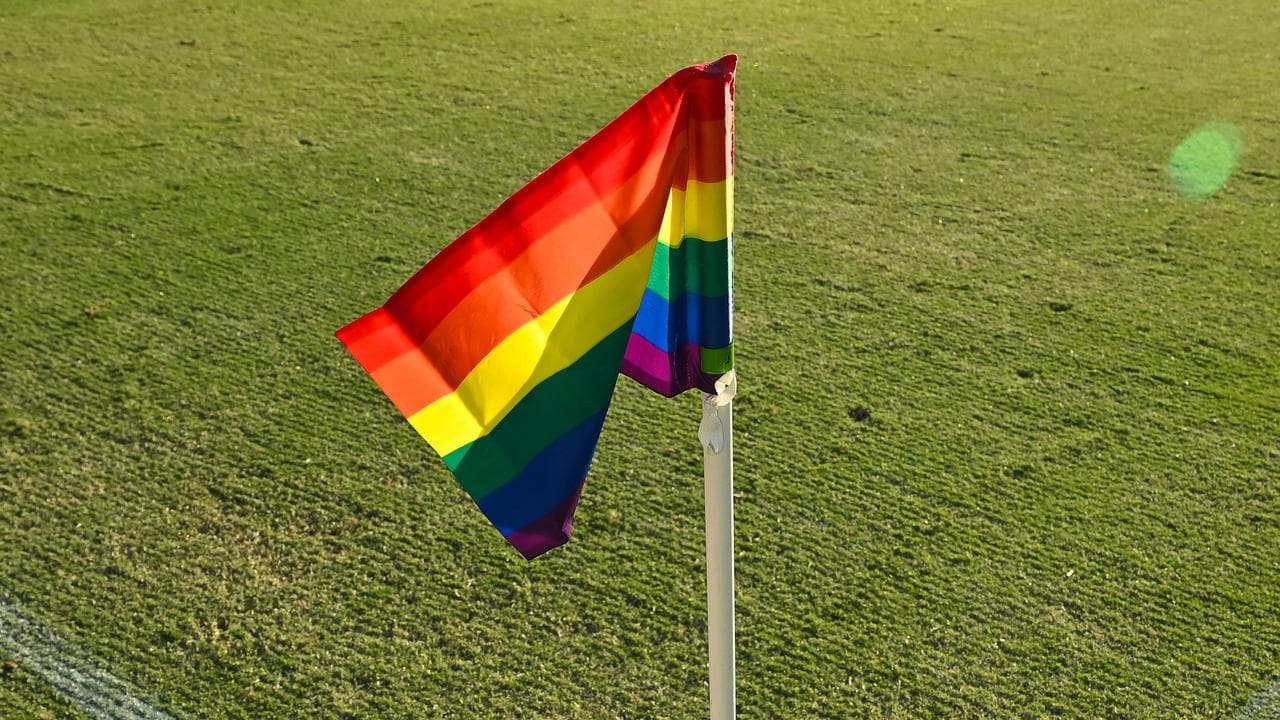
Equality Australia and independent MP Allegra Spender have spearheaded the charge to expand anti-vilification laws to cover sexuality, rejecting hate against any group.

But the laws are understood to be a narrow package that won't impose tighter limits on gender or sexual discrimination.
"Strengthening protections against anti-Semitic hate speech is vital, but those protections must apply to all forms of hate," Equality Australia legal director Heather Corkhill said.
“We are seeing an alarming rise in violent, deliberately targeted attacks against LGBTIQ+ people and others, driven by a dangerous and deeply entrenched form of hatred.
“These threats are real, persistent and escalating, and the need for stronger, comprehensive protections against hate and vilification has never been more urgent."
Liberal moderate Andrew Bragg said while the priority of the hate speech laws should be tackling anti-Semitism, given Jews were targeted in the massacre, he would examine any proposal from Equality Australia that aimed to protect the LGBTQI+ community.
"The lesson from this is Australia has to do a much better job of protecting minority interests," he told AAP.
"Unfortunately, history shows it starts with the Jews, but it won't end with the Jews."
Opposition Leader Sussan Ley rejected calls to include protections for sexuality or disability in the imminent hate speech laws, which will be debated when parliament reconvenes early before Australia Day.
"That’s actually not what we would expect to see or need to see in any legislation that comes forward. That is not what this is about," she told reporters in Sydney on Wednesday.
"There are clear issues that this legislation needs to address. It needs to be targeted to the threats that we face, and those threats are radical Islamic extremism and anti-Semitism.
"Tackling hate speech is not a licence to go after free speech."
The Liberals have previously pushed to water down anti-discrimination laws in the name of free speech, a move that was opposed by religious groups at the time.
Ms Spender rejected the assertion only one form of hate could be targeted.
"We need one clear message - inciting hatred against any group in our country is not OK. We have seen neo-Nazis target Jewish Australians, but they also target the Muslim and LGBTQI+ communities as well," she wrote on X in response to Ms Ley's comments.
"I don’t understand why our parliament would say neo-Nazis can’t incite hatred against one group, but then decide to let them use the same phrases to incite hatred against another group."

Attorney-General Michelle Rowland said work was being done expeditiously "on a package of reforms designed to crack down on those who spread hate, division and radicalisation in our community".
"As part of this process, we are consulting with the Jewish community and others," she said.
Labor is also under pressure to call a federal royal commission into the Bondi killings that would more broadly cover rising anti-Semitism.
Prime Minister Anthony Albanese has so far refused to call the Commonwealth inquiry, saying a rapid review into intelligence failures was more effective.
But he has left the door ajar to backflipping on his position following almost a month of pressure and public calls.
Former defence and national security leaders, including former governor-general David Hurley, have become the latest to put their voices to the chorus of calls for a royal commission.
"Anti-Semitism and Islamist extremism pose serious national security challenges for Australia," they wrote in an open letter.
"They fracture social cohesion, fuel violence, and weaken our national resilience."
Lifeline 13 11 14
Fullstop Australia 1800 385 578


