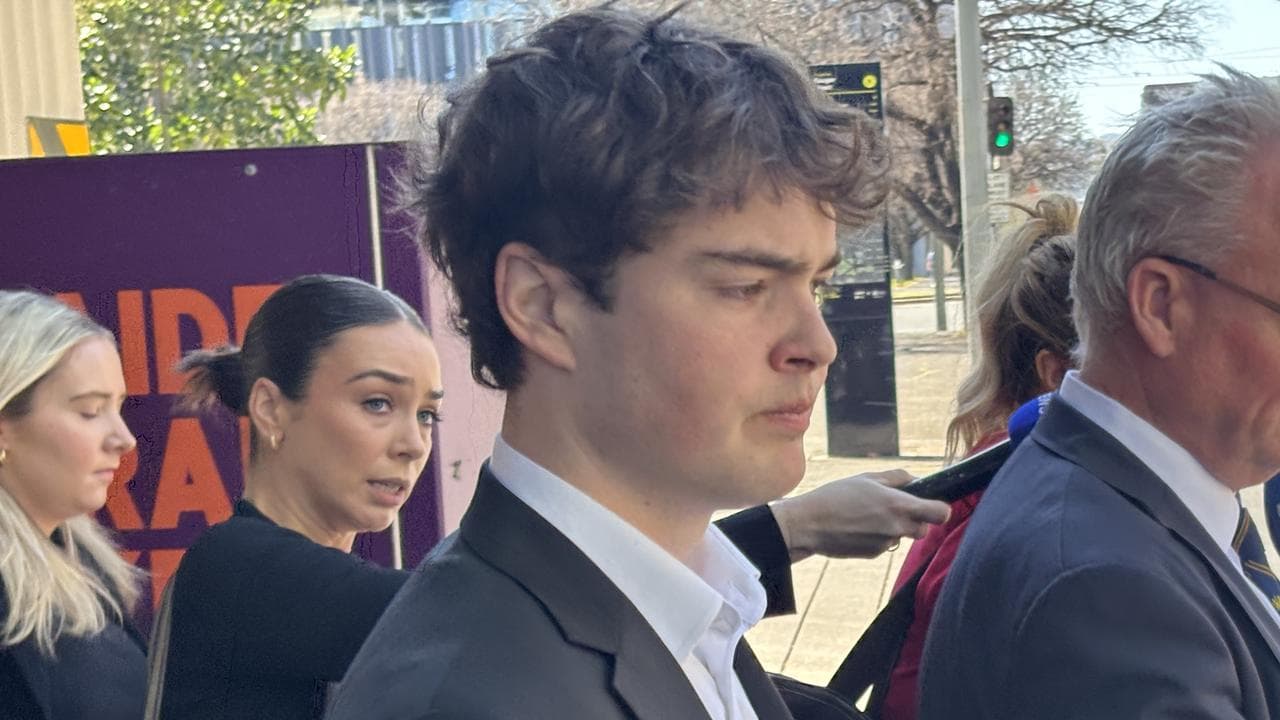
The first person convicted under new deepfake laws has been spared time in jail for creating highly degrading and humiliating AI content of a teenager who was the target of his obsession.
William Hamish Yeates, 20, pleaded guilty in April to two counts of creating sexual material transmitted without consent.
He was the first person prosecuted under federal laws introduced in 2024 to combat adult deepfake pornography.
The offence of creating and sharing deepfake sexual material carries a maximum penalty of up to seven years in prison.
The Adelaide man, from inner suburban Netherby, also pleaded guilty to two counts of using a carriage service in a harassing or offensive way and one count of using a carriage service to make available personal data.
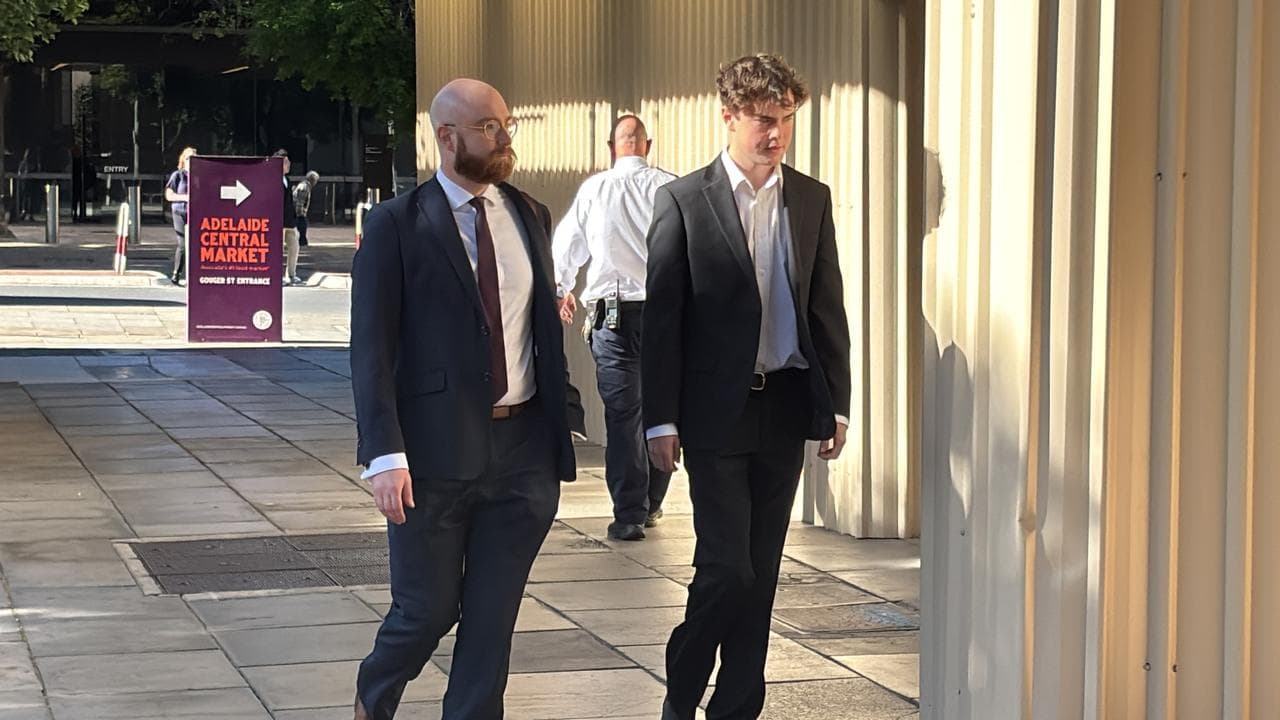
In the South Australian District Court on Tuesday, Judge Anne Barnett sentenced Yeates to two years and three months' prison.
But the jail term was suspended on the condition that he entered into a three-year, $500 good behaviour bond.
The availability of artificial intelligence tools had increased the capacity for offending and to cause substantial harm, the judge said.
Using photos from the victim’s social media account, Yeates created highly degrading, humiliating images and videos.
He included highly offensive captions and comments, and distributed the material on the social media platforms, X and Ero Me.
“The offending is particularly serious because the material was disseminated online, where it had the potential to reach a very large audience and remain accessible indefinitely,” Judge Barnett said.
“I've also had regard to the fact that this type of offending disproportionately targets women and girls."
The creation and dissemination of degrading sexualised material without consent could cause profound humiliation, distress, and long-lasting harm, she said.
“It undoubtedly has in this case,” she said.
“Women are entitled to participate online in public life, free from harassment, intimidation, and sexualised abuse.”
Supported by her family, the victim wiped tears from her eyes as the judge noted the profound impact that his crimes had on her.
“The first time she saw her Year 12 graduation photo was on a pornographic website,” Judge Barnett said.
“As a consequence, she now reflects on her graduation day, not with pride in her achievements, but with the torment of the memories of the altered content.”
The victim required ongoing psychological support to process the trauma and manage anxiety caused by the crimes.
“She remains frightened the content you created will resurface and is anxious it will continue to follow her in the future,” Judge Barnett said.
The court previously heard that since his arrest, Yeates had been diagnosed with Level 2 autism, compulsive sexual behaviour disorder and persistent adjustment disorder.
The judge noted that Yeates became involved in online content promoting influencer Andrew Tate.
“What was initially ostensibly promoting content to improve fitness and financial circumstances also exposed you to forums and communities in which women were routinely objectified, and misogynistic views were expressed and reinforced,” Judge Barnett said.
Yeates had developed an obsessive preoccupation with the victim and "had come to believe, albeit irrationally, that you were in a relationship with them”, the judge said.
The judge said she took into account Yeates’s mental health diagnoses, his youth, plea of guilty, expressions of remorse, engagement in treatment, absence of prior offending, and prospects of rehabilitation.
“I do not consider that it is appropriate that any portion of that sentence be immediately served,” the judge said.
His prospects for rehabilitation were good, and the risk of reoffending was low, she said.
The judge ordered that Yeates pay the victim's medical expenses and that he forfeit a phone and laptop computer seized by police.


