Australia's world-first social media ban is showing little sign of success, with young people continuing to access platforms with ease.
Research published on Thursday suggests modest change since the ban came into effect among adolescents, with 85 per cent of those under 16 still using restricted platforms.
Among them is Winnie Walton, who continues to use TikTok, Snapchat, YouTube and Roblox to watch videos, chat with friends and play games.
The year 7 student says the restrictions haven’t affected her whatsoever.
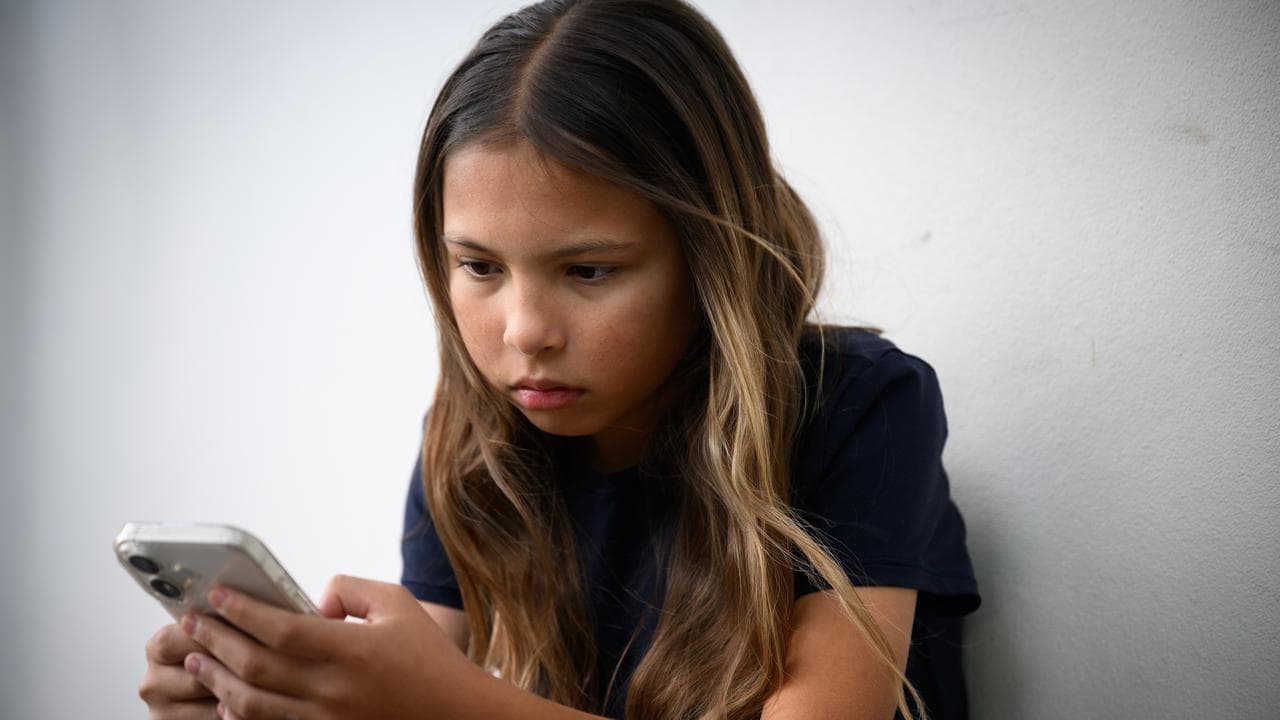
“Well the restrictions didn't do anything,” the 12-year-old told AAP.
“On the day that (the ban) was meant to happen, nothing happened.
"None of my friends got affected either, so it didn't really work that well.”
Winnie believes one way to keep kids safe online would be if teenagers and adults had different content algorithms or ‘for you pages.’
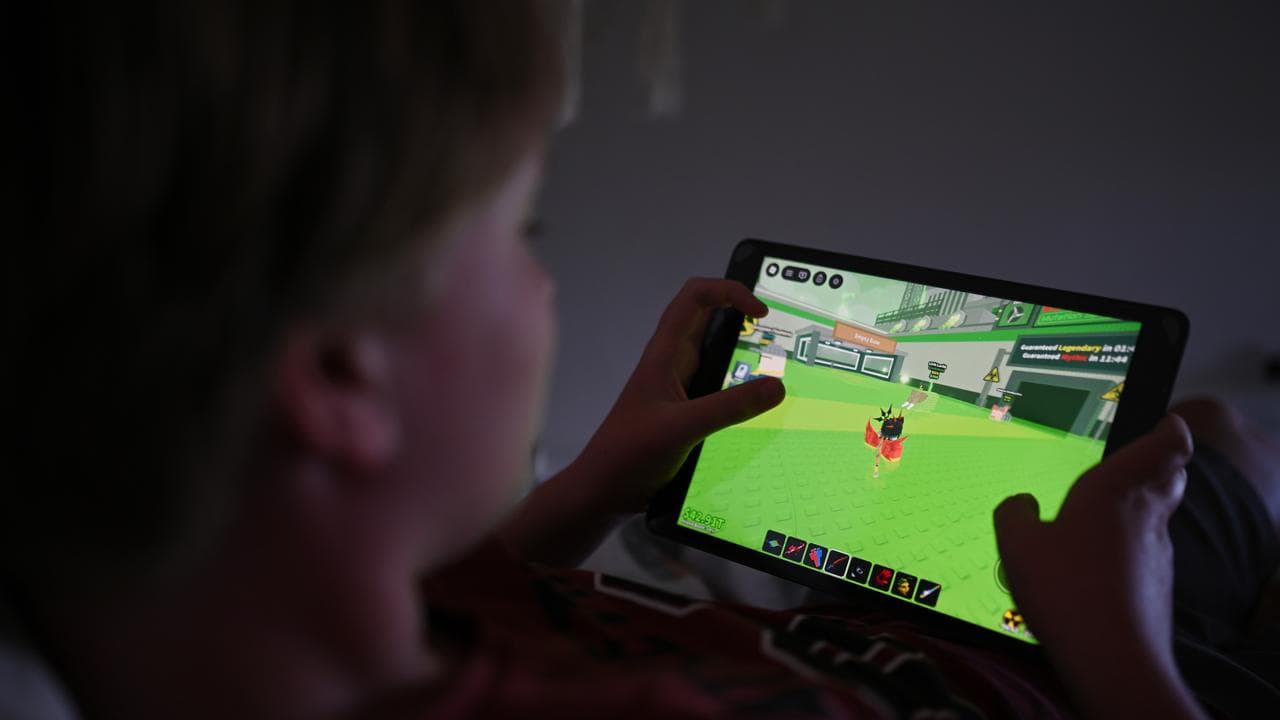
She also likes that Roblox groups players of different age groups together, so kids, teenagers and adults can play online games separately.
The world-first ban, which stipulates users must be 16 or older to create or hold social media accounts, made international headlines in December when it came into effect.
The University of Newcastle study found about 54 per cent of 12 to 17-year-olds surveyed continued accessing platforms through their own accounts in the first three months of the ban.
At least 66 per cent of of adolescents reported encountering an age verification block from the platform, although the most common method was self-declaration.
There was also no substantive change in daily use or time spent by young people on social media, according to the study.
The study followed the group of young people in the months before and after the social media ban, with the lead investigator and public health researcher Courtney Barnes telling AAP the age restrictions had done little to change behaviour.
But Dr Barnes hinted it could be too early to gauge any real difference.
"It's really important to think of this in context. Three months is a really short implementation period, especially for a policy of this scale," she said.
“Hopefully towards the end of the year, once implementation is more sound, the platforms are compliant and adolescents are actually experiencing age verification measures … then we can actually evaluate the policy as it's intended.”
Social media remains front of mind globally, with many countries looking to Australia as a leading example; however, the research calls for more rigorous long-term evaluation.
"It seems to be a very hot topic around the world at the moment," Dr Barnes added.
"We know the UK introduced plans to do a similar thing, which is why it's so important to have these early findings, and to follow them up with more evaluation.
"Australia is definitely being watched closely in this space."


