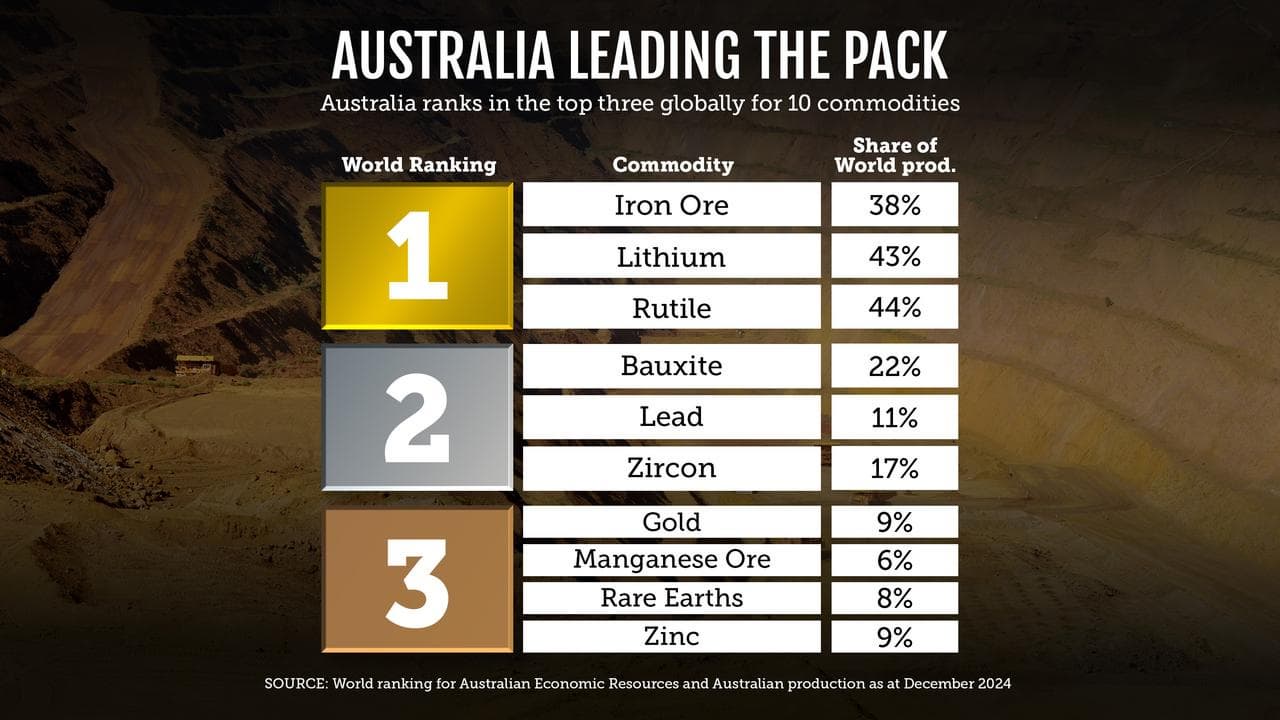
Australia increasingly looks like a stable place to mine, process and invest in valuable metals and rare earth minerals, as the war continues in the Middle East .
One of the nation's former ambassadors certainly believes so, given the US is extending its reach for "safe" suppliers beyond its own borders and China.
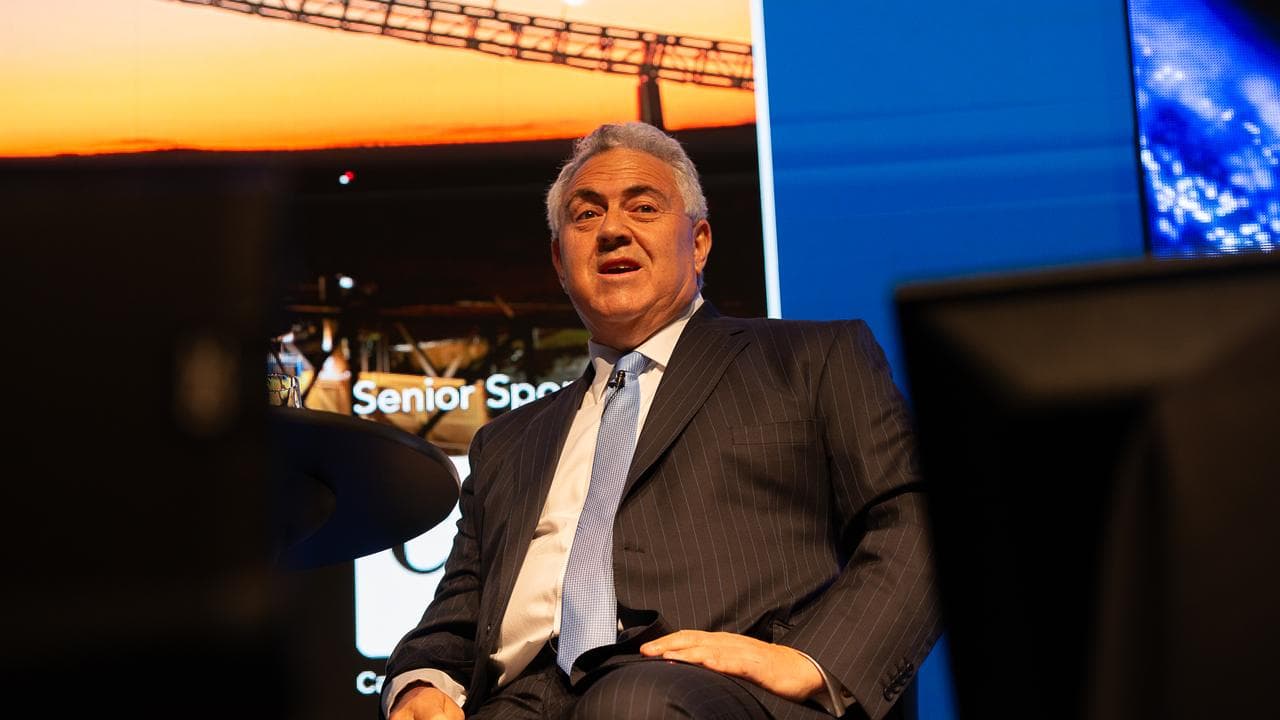
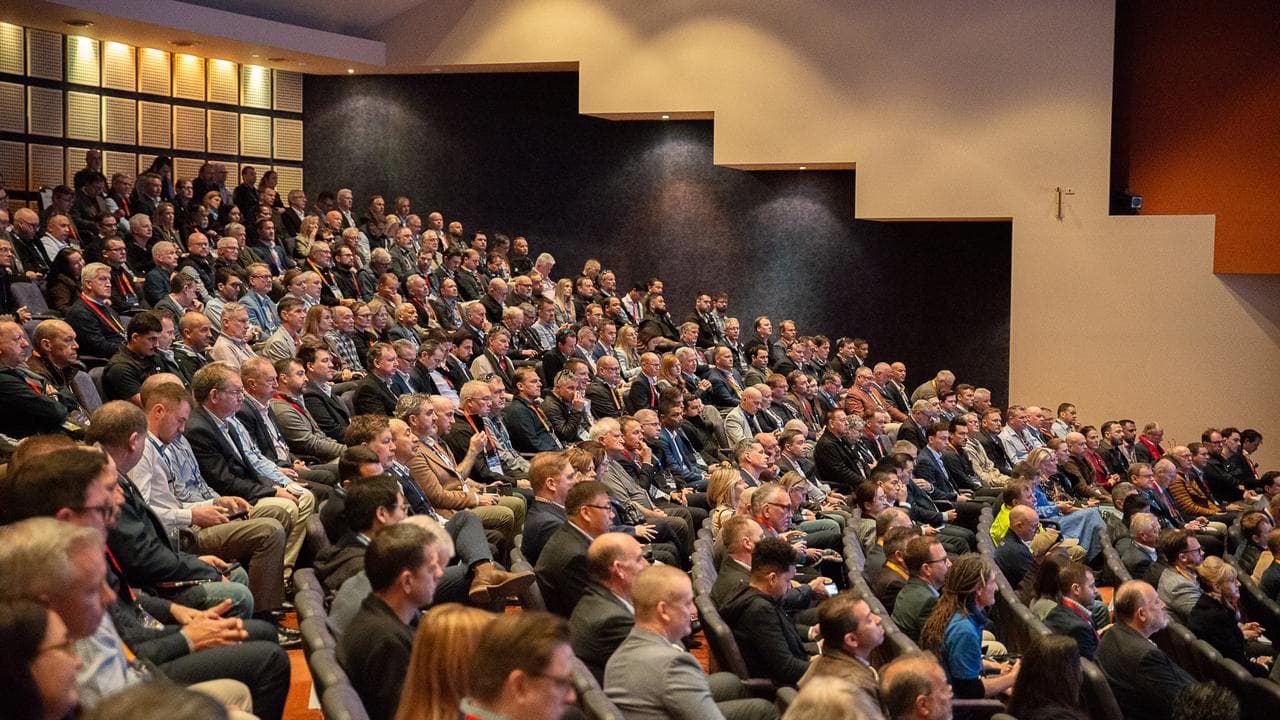
Speaking at an annual gathering of up to 2600 mining leaders and stakeholders in Kalgoorlie, former US ambassador Joe Hockey pointed to the valuable role the resources sector can play in the defence industry and critical artificial intelligence architecture.
"A lot of what you make goes into this ... and this is what Australia has only just worked out, and America's just worked out," he told delegates at the Diggers & Dealers Mining Forum's opening day on Monday.
For instance, each of the US Navy's Virginia Class submarines requires up to two tonnes of critical minerals and rare earths to make.
"The Americans only realised four years ago that a lot of that's coming from China ... so now Americans have looked at its supply chains and said 'Who can we trust'," Mr Hockey said.
"And Australia steps up - that's why you guys are so important, that's why this industry is so important."
The boats are also coming to Australia as part of the AUKUS defence program.
Some of Australia's critical minerals vital to the technologies of the future include gallium and rare earths, used in advanced defence systems.
There is also nickel and cobalt, used in electric cars and for energy storage and tungsten, vanadium, and graphite, used in the aerospace sector and for special alloys and other grid infrastructure.
The US government is actively investing in Australia, mainly through a deal set up by Prime Minister Anthony Albanese and US President Donald Trump in 2025.
The landmark framework agreement will speed up an $US8.5 billion pipeline of priority projects in Australia for critical minerals.
"They are actively investing in Australia, backing Australian companies, and I think that's going to continue," Mr Hockey said.
And they aren't the only ones.
"I think you're going to start to see more capital come out of the UK into the Australian mining industry," added Mr Hockey, who now runs his consultancy Bondi Partners.
When the war began in late February, Mr Trump led his attack on Iran after being convinced it would only go on for a short time.
"Well, that was just stupid - it was wrong," Mr Hockey told the forum on Monday.
"And now we're seeing this weekend warrior stuff ... Trump says 'I'm going to bomb' on Friday after the market's closed.
"He says on Sunday - as he said yesterday - 'Oh no, we've brokered peace'.
"So it's got a long way to go."
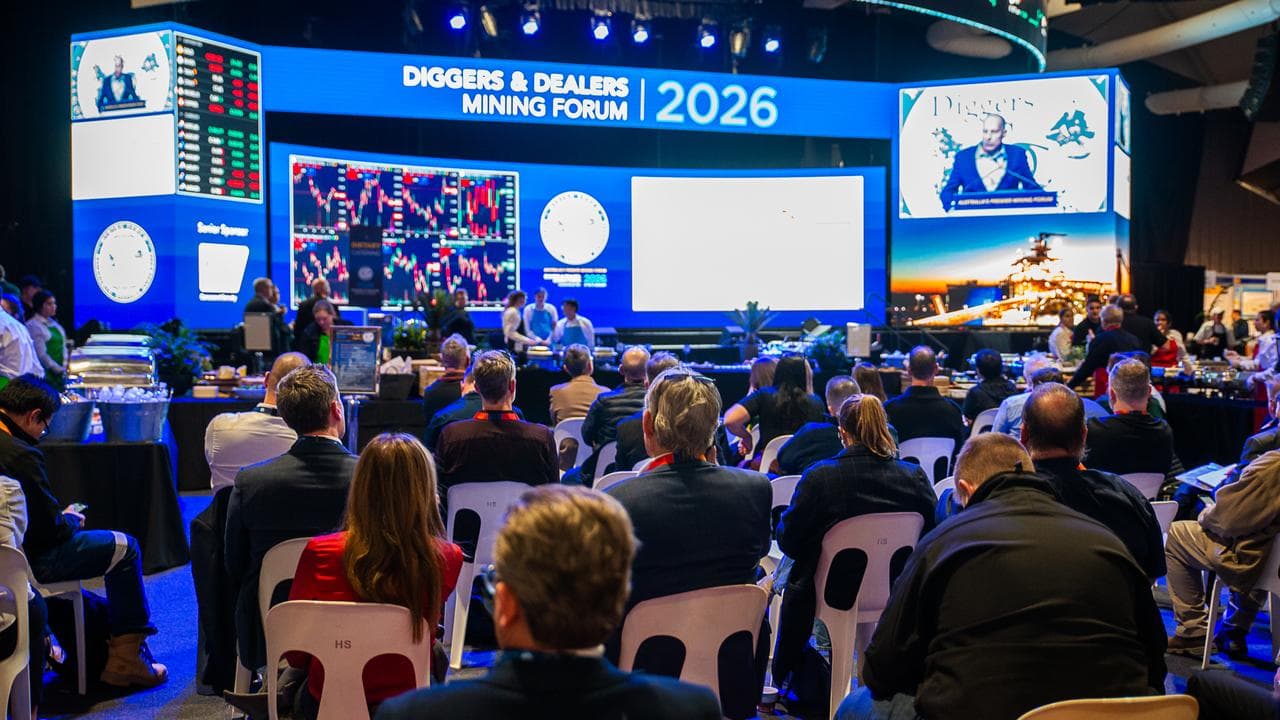
The first day of the forum was dominated by gold miners including Canada-based global miner Agnico Eagle Mines, Northern Star Resources and Evolution Mining.
Agnico, whose only Australian asset is the Fosterville Gold Mine in Victoria, was the centre of attention after recently telling Gold Mining magazine its keen to grow and "very interested in Western Australia".
But delegates were disappointed that the world's second-largest gold miner didn't elaborate when its Australian vice president Ion Hann gave his pitch.
WA gold giant Northern Star was equally silent on recent calls from activist investor Elliott Investment Management to consider a potential takeover, as it defended its operations, including a huge super pit not far from the forum venue.


