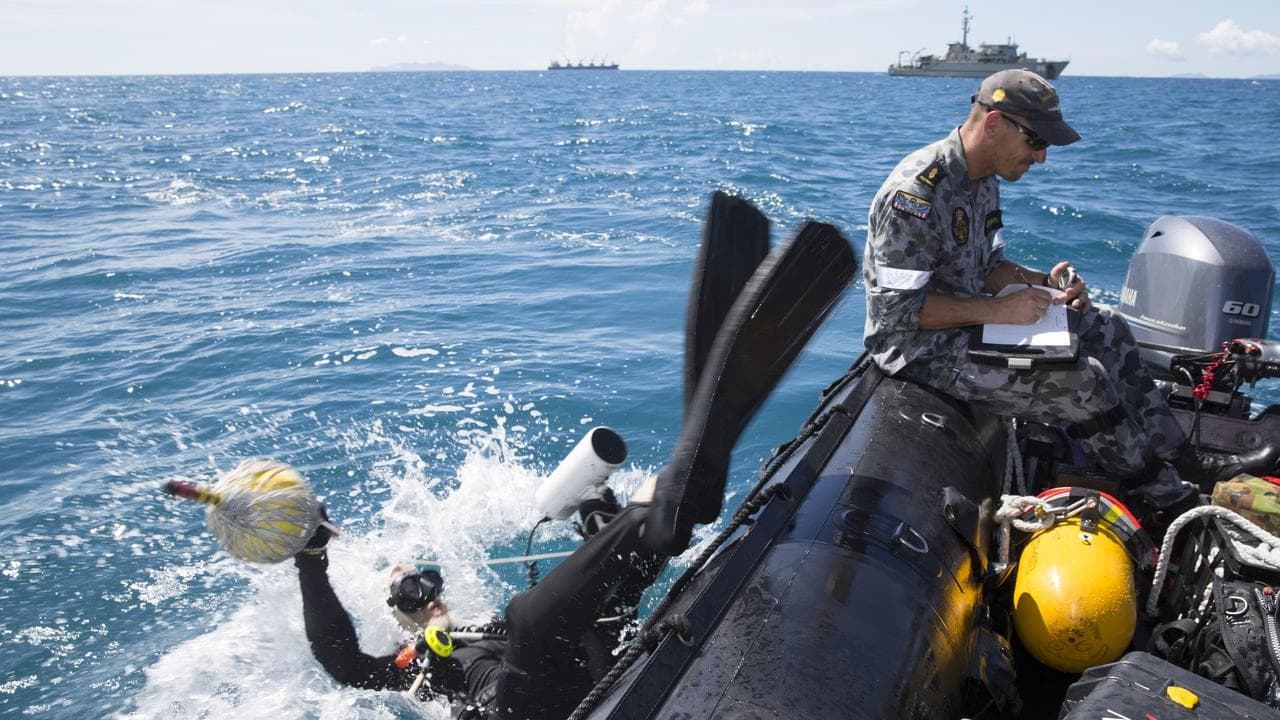
It's been more than 80 years since the guns of World War II fell silent, yet the deadly remnants of conflict continue to pose danger in the South Pacific.
Millions of tonnes of unexploded munitions still litter the globe, many of them scattered in the waters surrounding Australia's near neighbours.
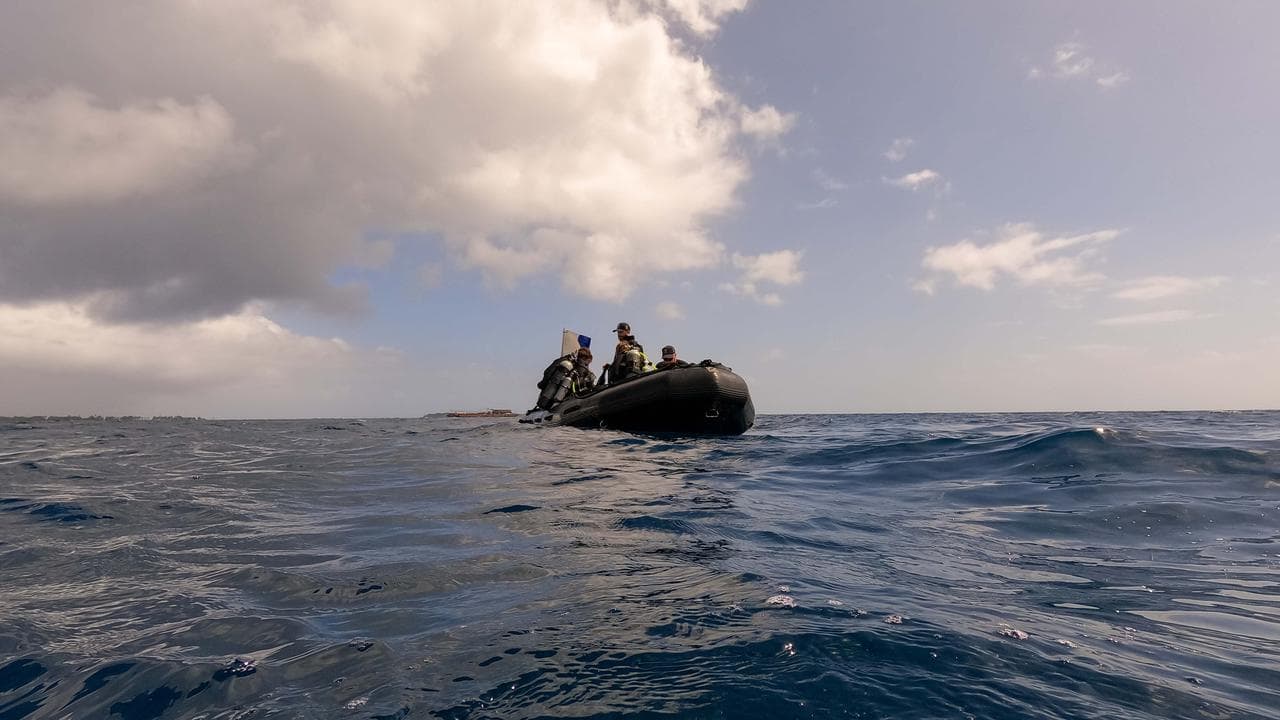
Leading efforts to tackle the problem, the Royal Australian Navy has just completed the destruction of some 2200 potentially live munitions off Papua New Guinea.
The latest edition of Operation Render Safe also involves the deployment in July of a reconnaissance task force in Tuvalu.
The northernmost atoll of the tiny archipelago is home to about 600 residents, but during WWII was the site of a US bomber base and staging area.
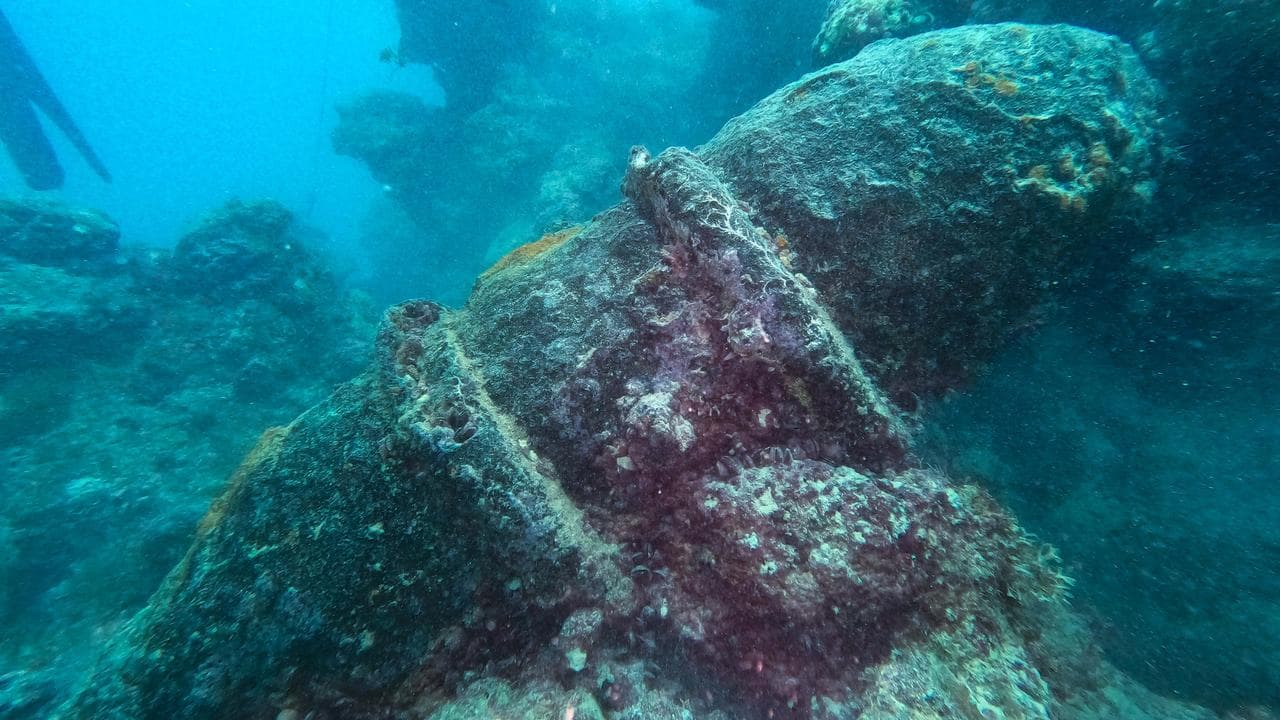
Thousands of kilograms of war debris was dumped in and around Nanumea Lagoon post-1945, including unused heavy ordnance and ammunition.
Not only are many of the long-forgotten artefacts explosive, as their metal casings corrode, they release toxic heavy metals and chemicals into soil, water and coastal ecosystems.
A partial survey of Nanumea by hydrographers in 2022 scanned 2.5 square kilometres of sea floor during 47 hours of dive time. It returned 22 individual 226kg aerial bombs and four .50 calibre small arms dumps.
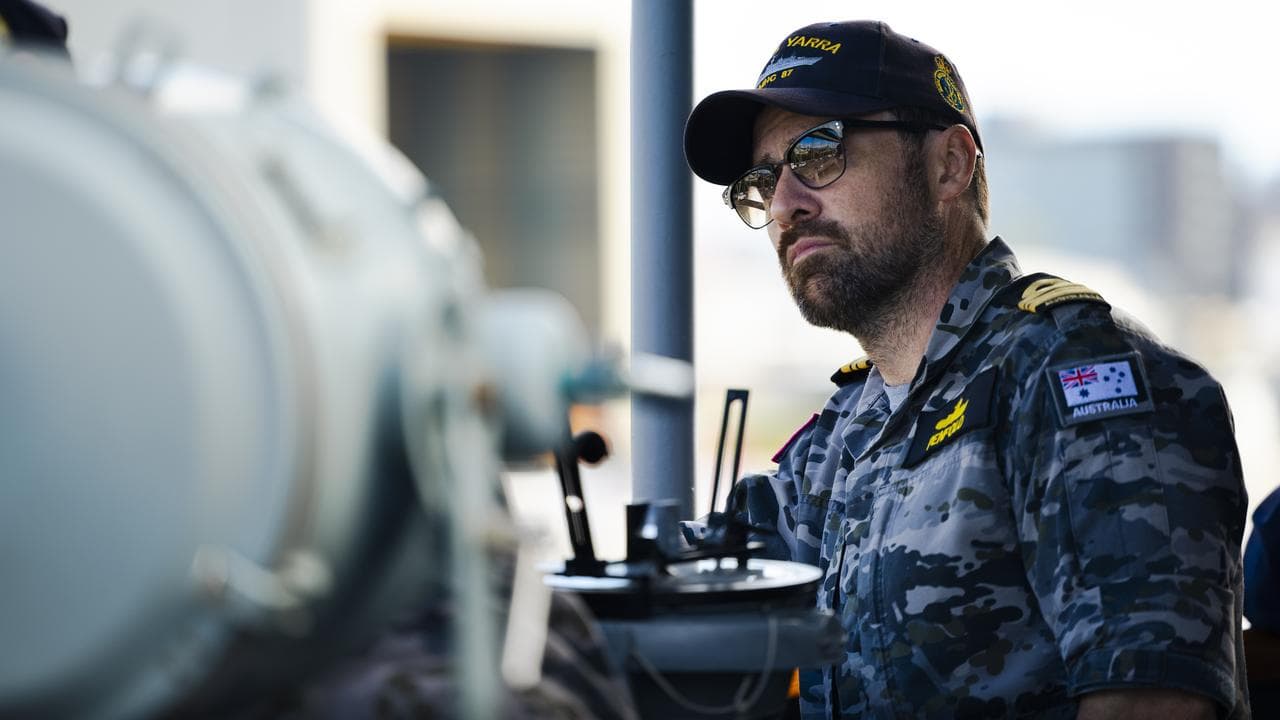
The latest underwater foray is a "significant deployment", according to Lieutenant Commander Andrew Penfold aboard HMAS Yarra.
“Australia has been working with Pacific partners for more than 20 years under Operation Render Safe," he says.
"We are proud to be the latest to contribute to the safety of the Pacific region.”
He says Yarra's crew and those attached to accompanying Huon-class minehunter HMAS Diamantina are ideally suited to the mission.
“Our clearance divers have specialist capabilities such as hand-held sonar and GPS mapping," he says.
"This will (specifically) allow them to search along the bottom of the lagoon.”
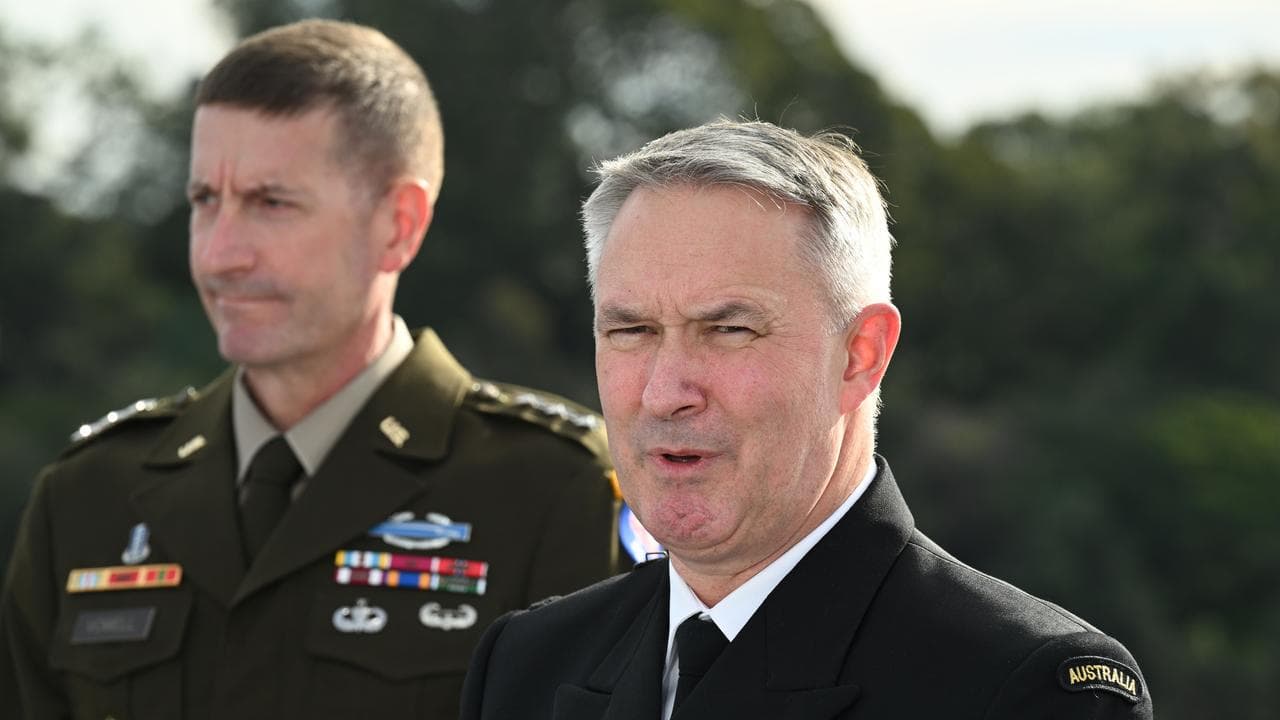
For Chief of Joint Operations Vice Admiral Justin Jones, the undertaking at the request of Tuvalu to help clear the lagoon of lethal relics is key to a unified and secure Pacific.
“We work side-by-side with our regional partners and local authorities to conduct safe and deliberate identification and disposals," he says.
“Working together on Pacific-led solutions to Pacific challenges strengthens our combined security capabilities.”
The Tuvalu mission coincides with Australia inking a $500 million security deal with Vanuatu, closing the door on the establishment of foreign military bases in the Pacific nation and locking out China.
Prime Minister Anthony Albanese is also in Fiji and the Solomon Islands next week to progress negotiations on a treaty with Honiara and close an agreement with Suva.
Solomon Islands Prime Minister Matthew Wale has meanwhile raised the prospect of a Pacific-wide security deal to counter Chinese influence, with Australia open to the idea.
Like Tuvalu, the Solomons and Vanuatu have been heavily contaminated by WWII-era explosive remnants and are long-term Render Safe recipients.
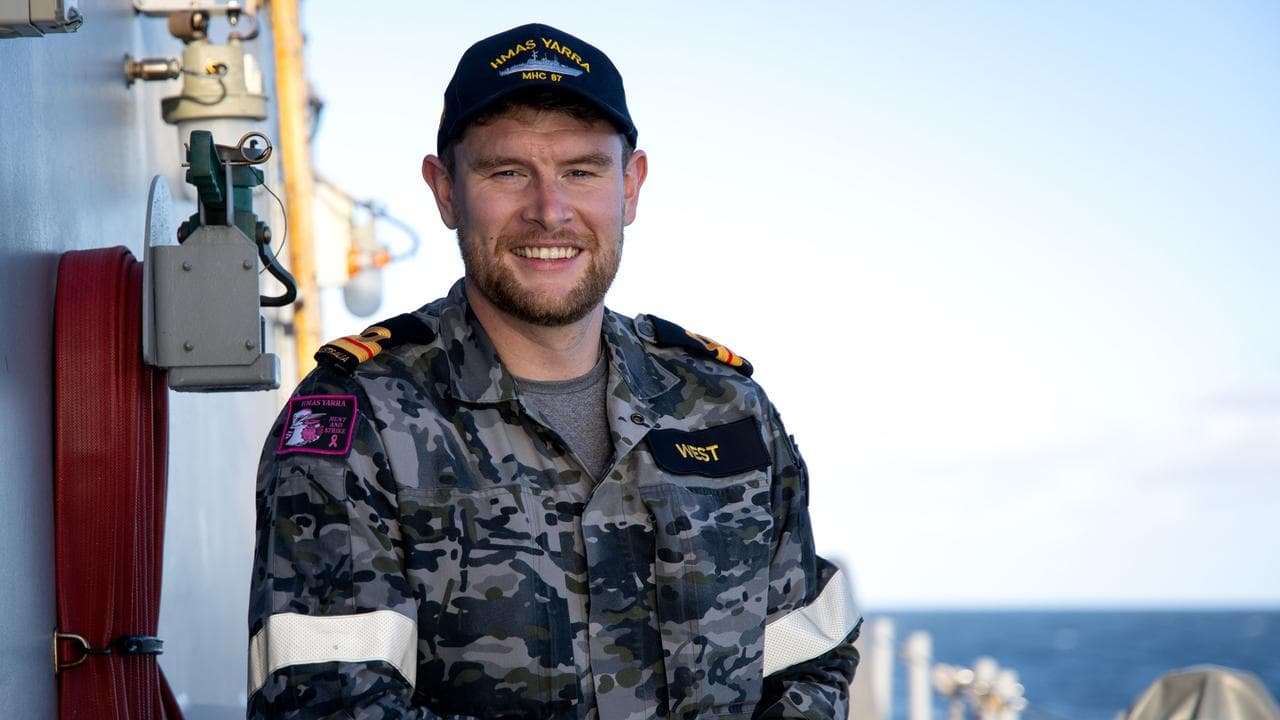
The expedition to Nanumea takes on personal significance for RAN Medical Officer Lieutenant Jake West.
He is sailing in the 'footsteps' of his father, who served as a warrant officer 25 years ago as part of a program delivering patrol boats to South Pacific partner nations.
His last deployment was to Tuvalu, where he supported patrol vessel Te Mataili, given to the fledgling island nation by Australia to assist its exercise of sovereignty.
"It feels like things have come full circle," Lieutenant West says.
"It's really awesome to be able to give back to the same community my father once helped.
"Hearing all his stories about Tuvalu makes me very excited to go and see what's changed and what's stayed the same.
"When I go home, I can share my stories with him."
Officer West senior's naval service helped shape the Palawa man's sense of responsibility to community from a young age.
In 2021, he graduated from the University of Tasmania with a bachelor of medical science and commenced his own service.
Studying medicine with the navy was a way gain both the qualifications and experience he needed to support his community.
"I'm passionate about Indigenous health," he says.
"My end goal after Defence is to return to community and work there; it's what got me into medicine."
For now, though, Operation Render Safe is his priority.
"I'm excited to get out of the office and into the middle of the ocean. I'm getting experiences you won't get anywhere else," he says.
The munitions disposed off PNG, across East New Britain, in June took in the districts of Rabaul, Kokopo and Gazelle.
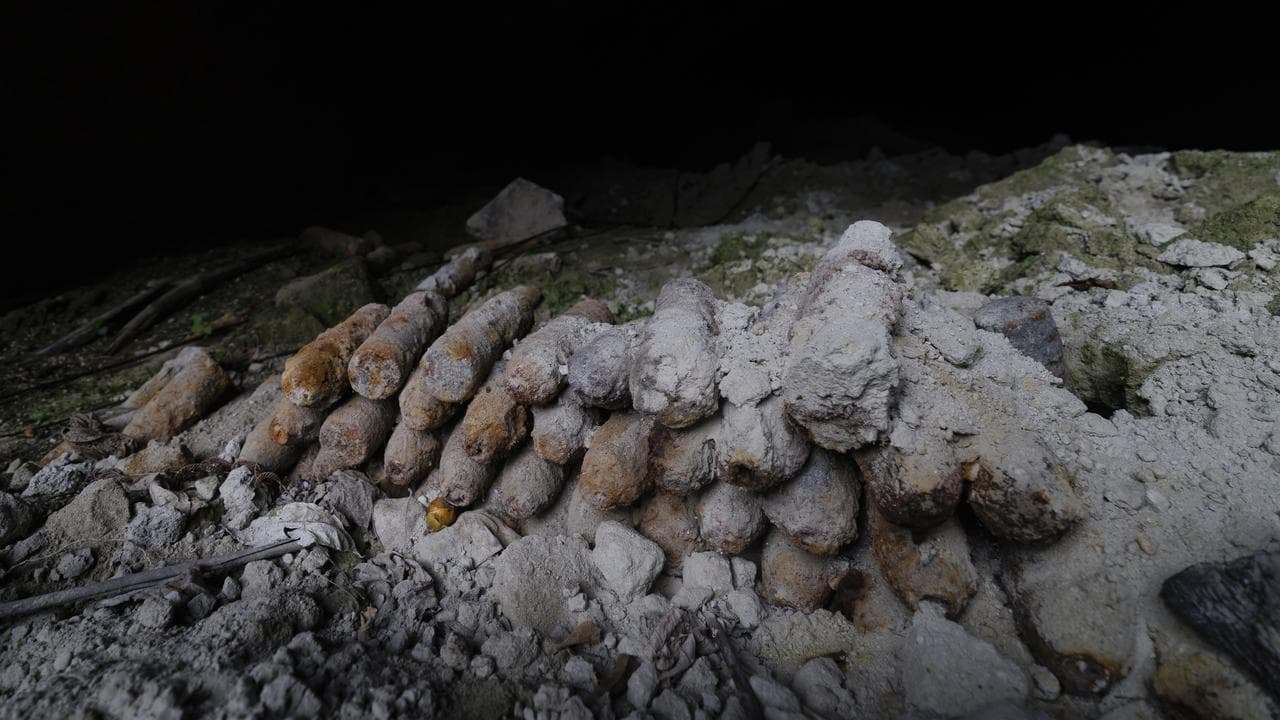
For the more than 430,000 people living in the region, removing the hazards represents safer communities, returned land and more opportunity for social and economic development.
“The number of war remnants in our communities is huge," says East New Britain disaster and emergency services centre director Donald Tokunai.
"While many items have already been disposed of, new discoveries continue to be reported.
“Because of the nature of unexploded ordnance, incidents can have devastating consequences for individuals, families and communities.
“Clearing these items promotes community safety and supports development across our province.”


