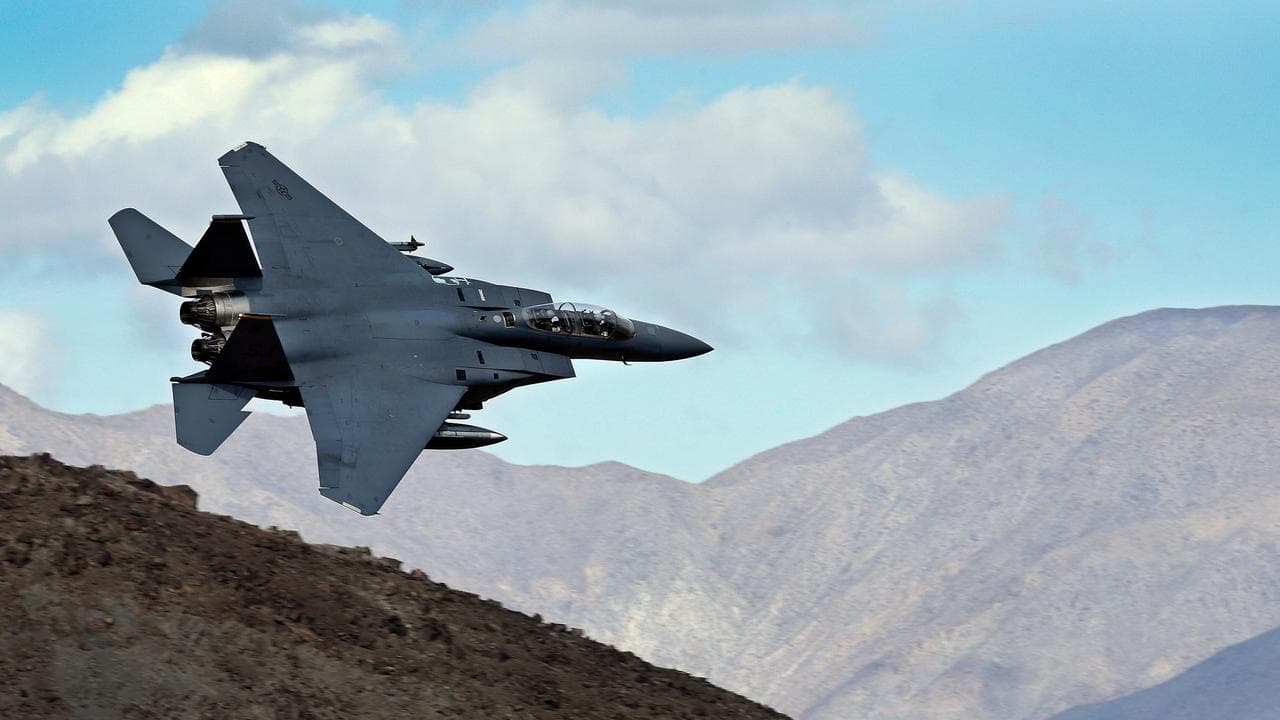
Iranian forces are hunting for a missing US pilot from one of two warplanes downed over Iran and the Gulf, raising the stakes for Washington as the war enters its sixth week with scant prospect of peace talks in sight.
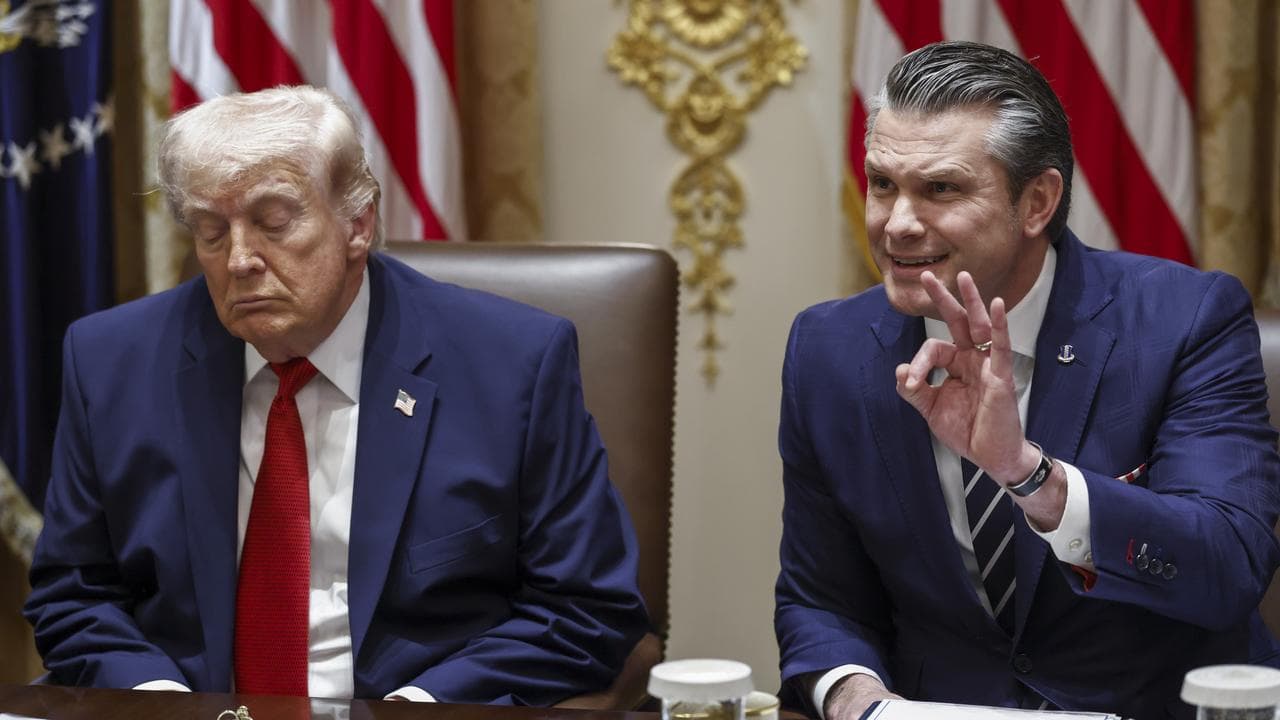
The incidents show the risks still facing US and Israeli aircraft over Iran, despite assertions by President Donald Trump and Defense Secretary Pete Hegseth that US forces have total control of the skies.
The prospect of a US service person alive and on the run in Iran comes days after Trump threatened to bomb Iran "back to the Stone Ages" in a conflict that has low public support among Americans and threatens lasting damage to the global economy.
Iranian fire brought down a two-seat US F-15E jet, officials in both countries said, while two US officials said the pilot ejected from an A-10 Warthog fighter aircraft that crashed in Kuwait after being hit by Iranian fire.
Two Black Hawk helicopters engaged in the search for the missing pilot were hit by Iranian fire but made it out of Iranian airspace, the two US officials told Reuters.
The scale of injuries to the crew was unclear.
Iran's Revolutionary Guard Corps said it was combing a southwestern area near where the pilot's plane came down, while the regional governor promised a commendation for anyone who captured or killed "forces of the hostile enemy".
Iranians pummelled by American air power since the US and Israel began their attacks on February 28 celebrated the plane downings.
Parliament Speaker Mohammad Baqer Qalibaf said on X the war had been "downgraded from regime change" to a hunt for pilots.
Trump has been in the White House receiving updates on the rescue effort, a senior administration official told Reuters.
Iran has told mediators it is not prepared to meet US officials in Islamabad in coming days and that efforts led by Pakistan to reach a ceasefire have hit a dead end, the Wall Street Journal said on Friday.
The conflict has killed 13 US military service members, with more than 300 wounded, the US Central Command says.
As hostilities continued on Saturday, Iranian state media reported air strikes at a petrochemical zone in southwestern Iran, with five people reported injured.
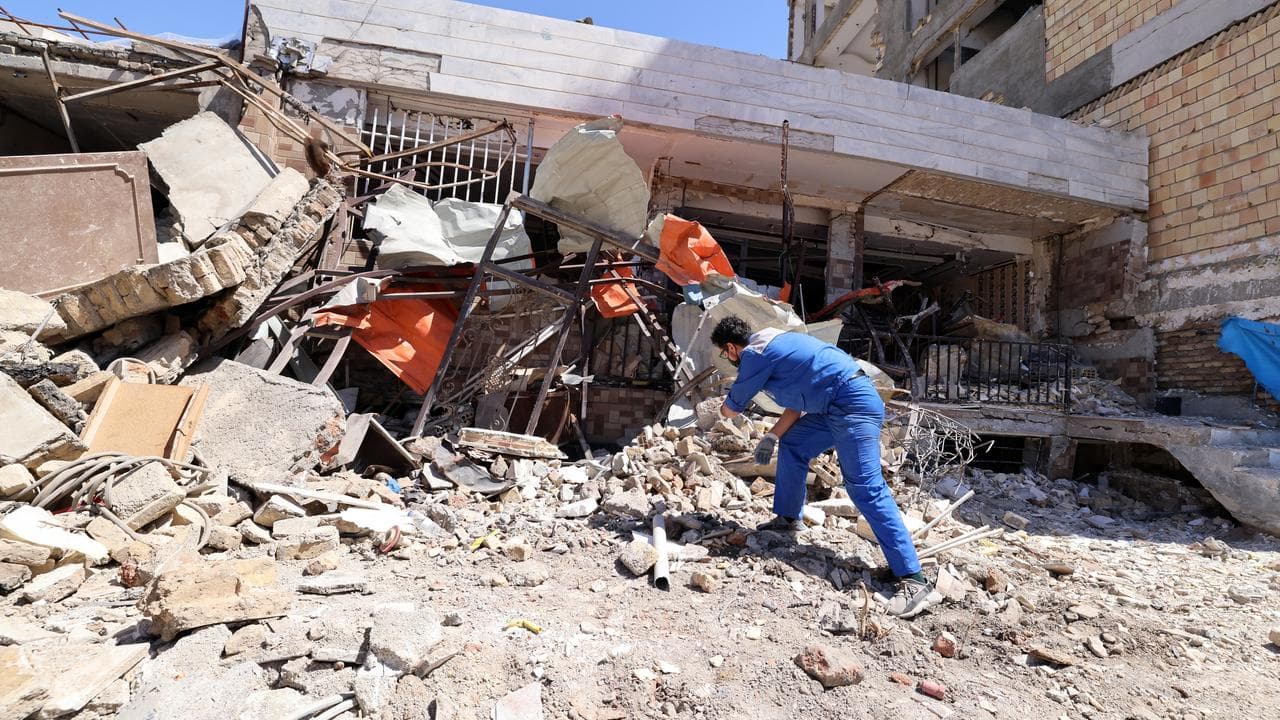
A projectile also hit an auxiliary building near the perimeter of Iran's Bushehr nuclear plant, the Tasnim news agency said, killing one person. The operations of the plant were unaffected.
Iranian media also reported air strikes on warehouses storing bottled water in western Iran.
The war has killed thousands and sparked an energy crisis since the initial strikes that killed Iran's supreme leader, Ayatollah Ali Khamenei.
Iran has rained drones and missiles on Israel and taken aim at Gulf countries allied to the United States, which have held back from joining the war directly for fear of further escalation.
On Saturday, authorities in Dubai said no injuries were reported after debris from aerial interceptions hit the facades of two buildings in the emirate, including that of US tech company Oracle in Dubai Internet City.
Israel has been waging a parallel campaign against Iran-backed Hezbollah in Lebanon after the militant group fired at Israel in support of Iran.
Early on Saturday, Israel's military said it was striking the militants' infrastructure sites in Beirut.
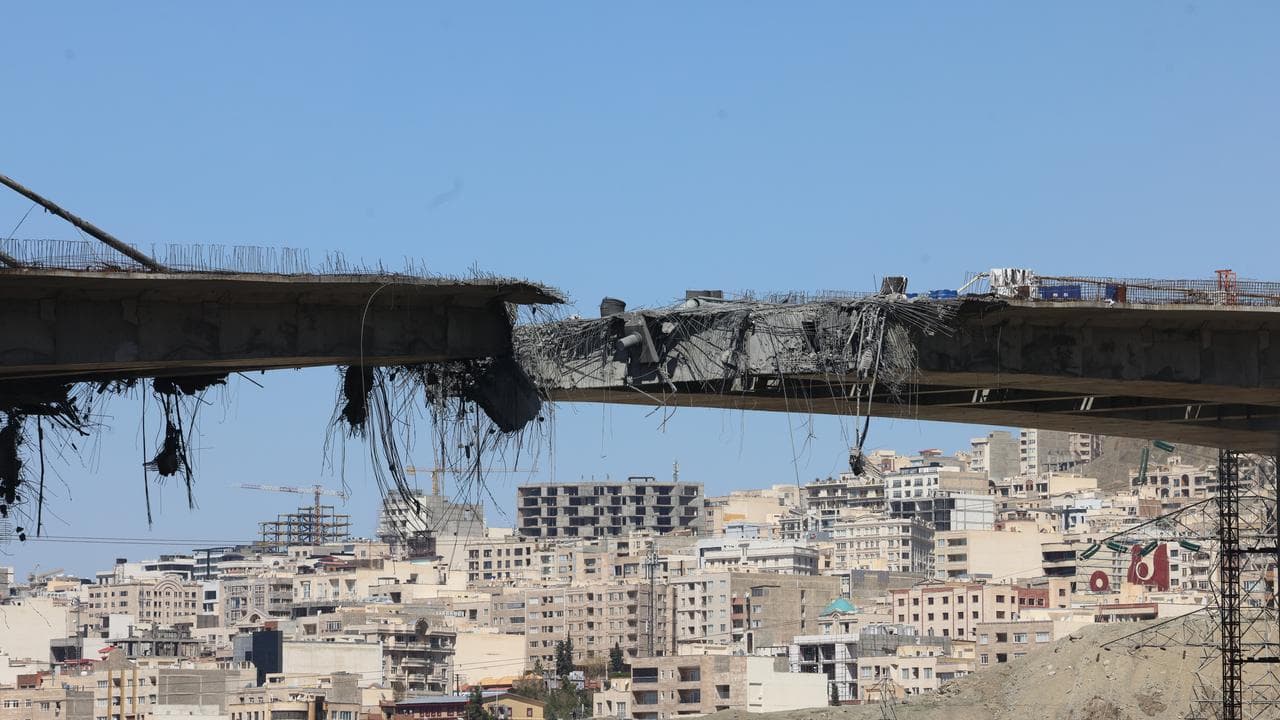
Iran struck a power and water plant in Kuwait on Friday, after Trump threatened to hit Iran's bridges and power plants, underlining the vulnerability of Gulf states that rely heavily on desalination plants for drinking water.
Oil markets were closed after benchmark US crude prices jumped 11 per cent on Thursday after Trump offered no clear sign of an imminent end to the war in a speech.


