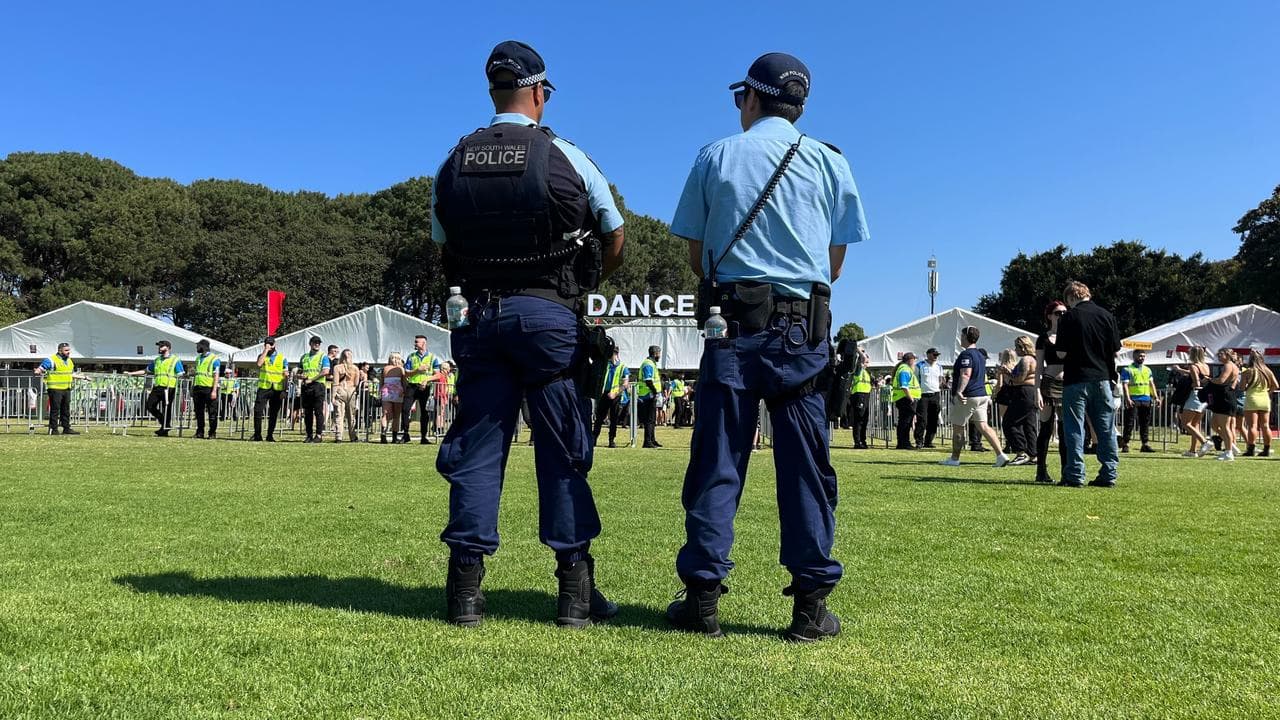
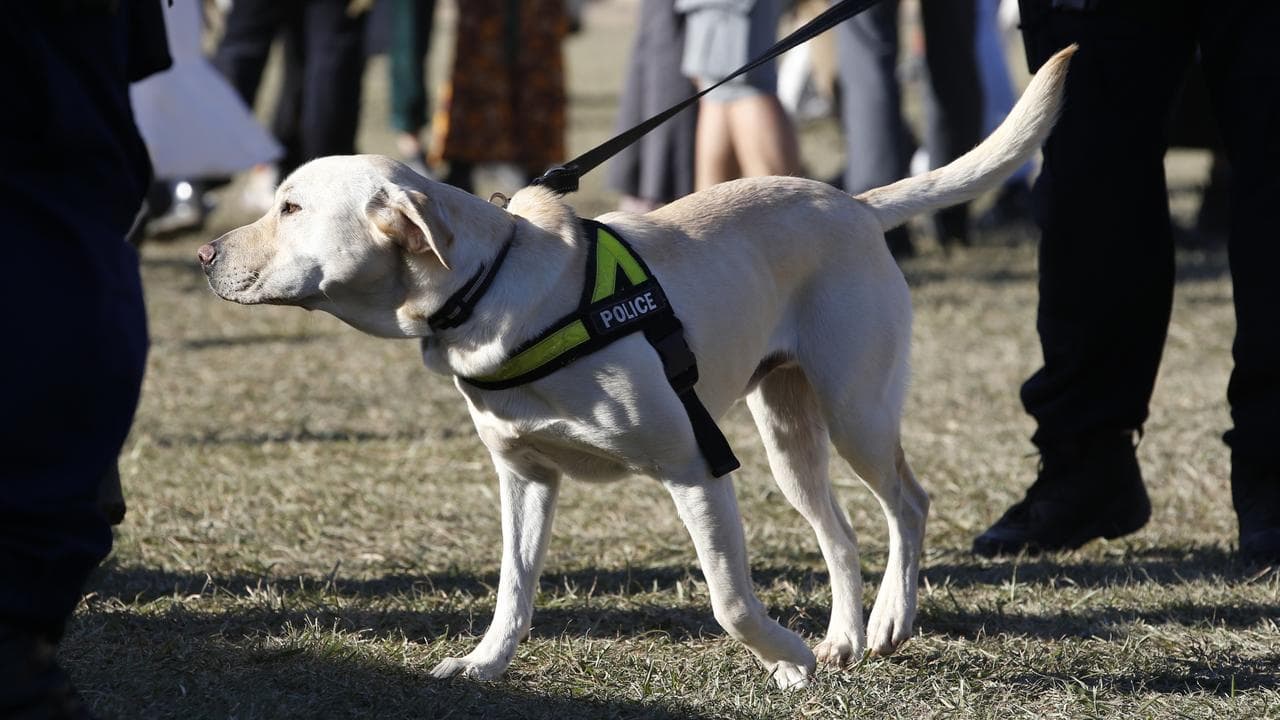
Calls to halt sniffer dogs and strip searches at music festivals have fallen on deaf ears, while a state is still deciding whether to let medicinal cannabis users drive.
A NSW Drug Summit report in April made 56 recommendations including for the state government to pause the use of detection dogs and strip searches during a drug-checking trial at the festivals.
It also said leaders should consider extending this to all music festivals as strip searches could lead to psychological trauma and detection dogs created fear that could lead to "panic consumption" and increase the risk of overdose.
But the Labor government has refused to support the change despite the recommendation and a successful class action in September that could force police to compensate more than 3000 people unlawfully strip-searched.
In its response to the report made public on Tuesday, the government said the recommendation to pause the detection measures was "operationally infeasible".
"Both strip searching and sniffer dogs are very important tools for police investigations ... it's as simple as that," NSW Police Minister Yasmin Catley told reporters.
About one in 10 strip searches in NSW has resulted in drugs being found, while about 40 per cent of searches conducted after a positive indication from a sniffer dog resulted in discovery of illicit substances, a Harm Reduction Australia analysis found.
But the state is considering allowing people who use medically prescribed cannabis to drive when the drug's presence is detected in blood or saliva.
The government response acknowledged THC, the main psychoactive compound found in cannabis, can increase the risk of a crash and affect driving skills. But its presence can be detected for days after use, even when it may no longer impair a driver.
The government has established a working group to assess the evidence and analyse reform options.
The operator of the state's only safe injecting centre has slammed the government's response, after it said further facilities were not necessary.
"They have squibbed it," Uniting's advocacy director Emma Maiden said.
"This response today is really out of touch with community attitudes on these issues and is a real let-down."
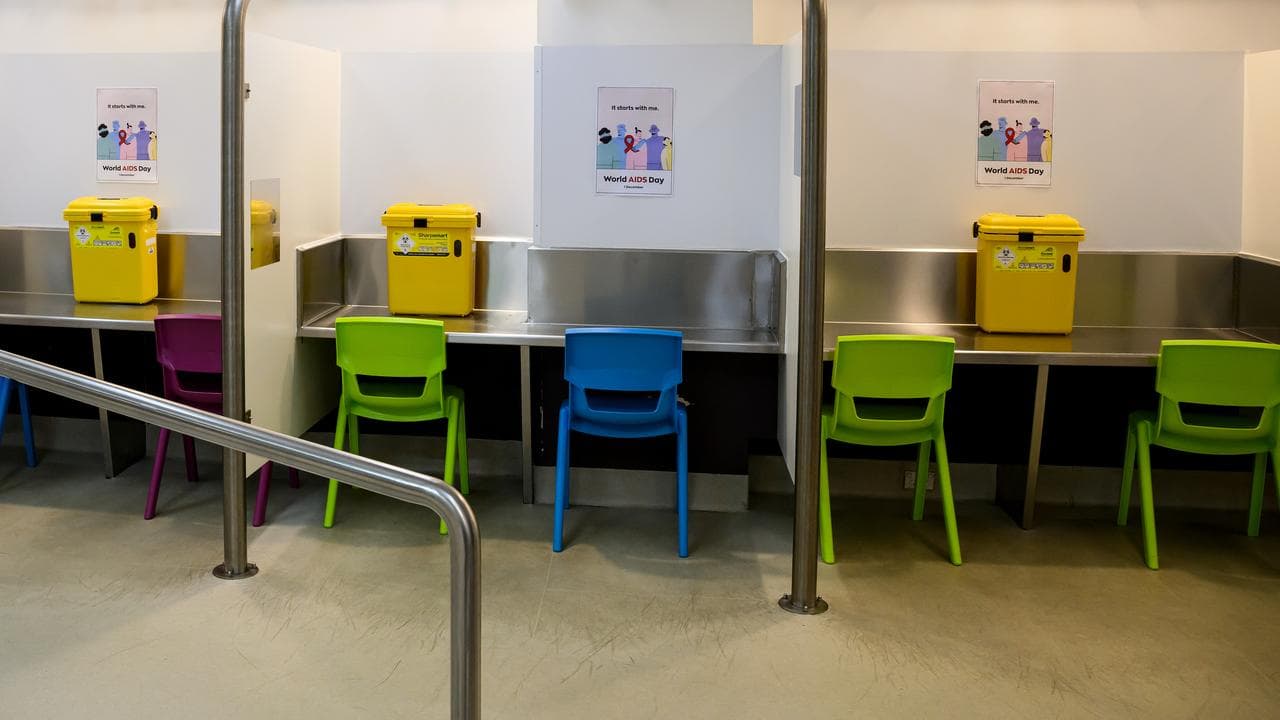
Current laws only allow for the one supervised injecting centre, in Kings Cross.
Health Minister Ryan Park defended his government after it noted a suggestion that would allow the establishment of more safe injection centres.
"Just because people didn't get what they want, that doesn't reflect 'squibbing it'," he said.
The NSW government gave full or in-principle support to more than 50 other recommendations from the report, including the production of a 10-year, whole-of-government alcohol and drugs strategy.
It has already implemented a 12-month trial drug-checking program at 12 music festivals in response to the summit.


