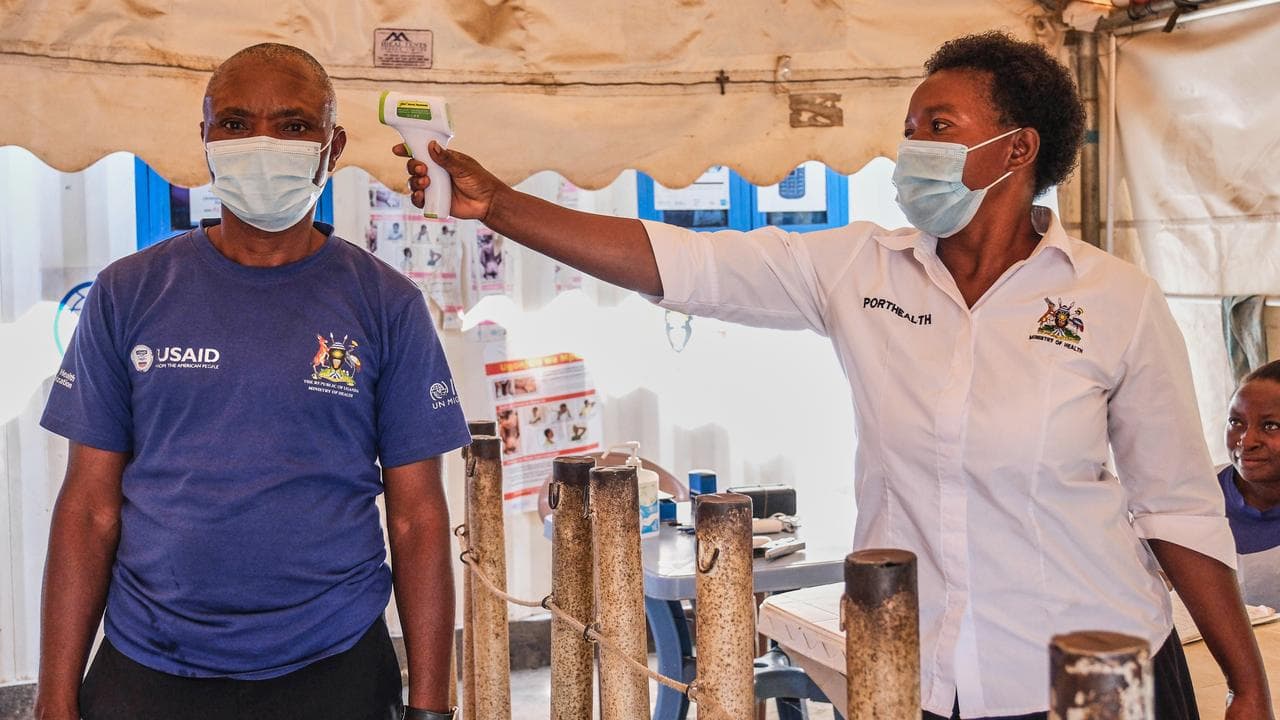
At least 100 people have died from Ebola less than a month after authorities declared an outbreak of the disease in eastern Congo, a grim toll as officials intensify efforts to slow the disease discovered weeks late.
Attacks on health workers from angry residents, scepticism among some locals and armed conflict in hot spots continue to challenge efforts to stop the outbreak declared on May 15, which has been caused by a severe form of Ebola disease.
Out of the 550 cases of the disease confirmed as of Sunday, there have been 101 deaths and 19 recoveries, according to the latest situation report released late on Monday.
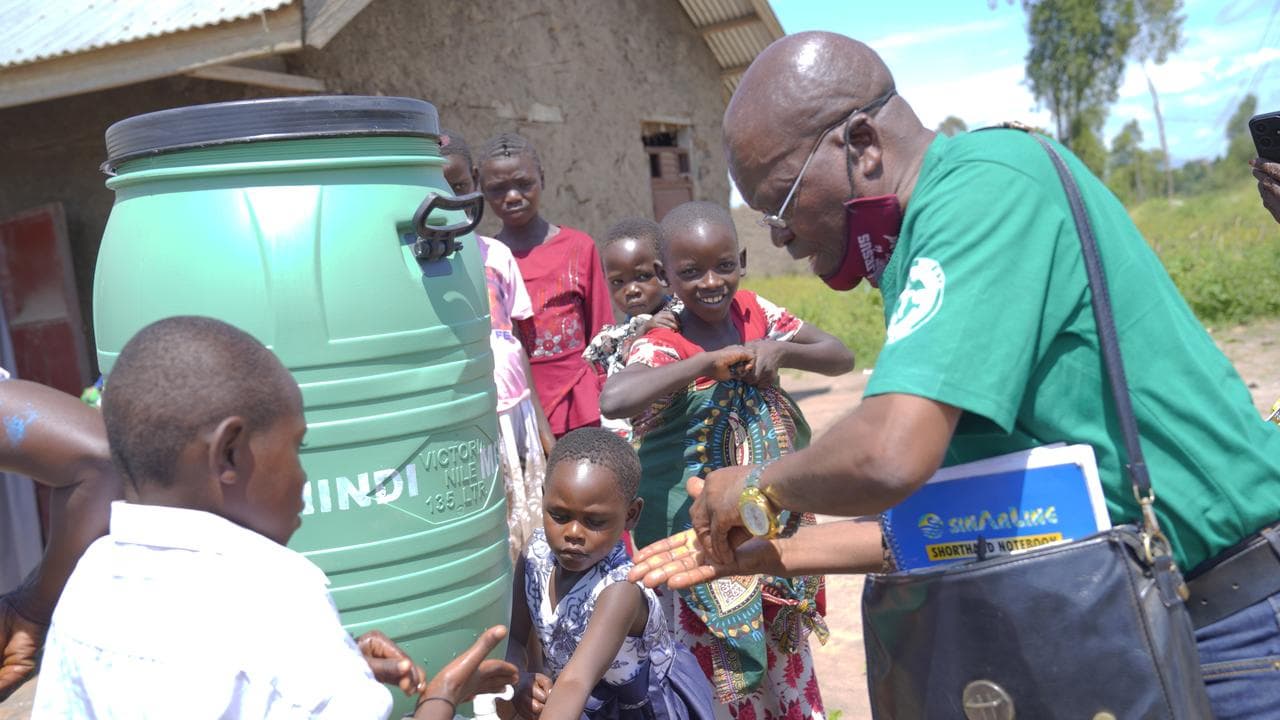
The outbreak is concentrated in Congo’s eastern province of Ituri, which accounts for more than 90 per cent of the cases.
Cases have also been recorded in the North Kivu and South Kivu provinces, and has spread across the border to Uganda.
The number of cases in Congo is believed to be higher because the outbreak was confirmed weeks late and the contact tracing coverage rate, which has improved in recent days, is still at 64 per cent.
The latest Ebola disease outbreak is caused by the rare Bundibugyo virus, which does not have an approved vaccine or treatment unlike the “Zaire virus”, another name for the Ebola virus, responsible for most of Congo’s past 16 outbreaks of the disease.
The rapid increase in the number of cases is in part due to the scale up of diagnostic capacities, enabling testing of the backlog of previously collected samples, authorities said.
There is still widespread scepticism and disregard for health protocols in some parts of Ituri province.
Survivors of Congo's 2018 Ebola outbreak, the second-biggest in history, have warned that a repeat of past mistakes could lead to a high number of preventable deaths.
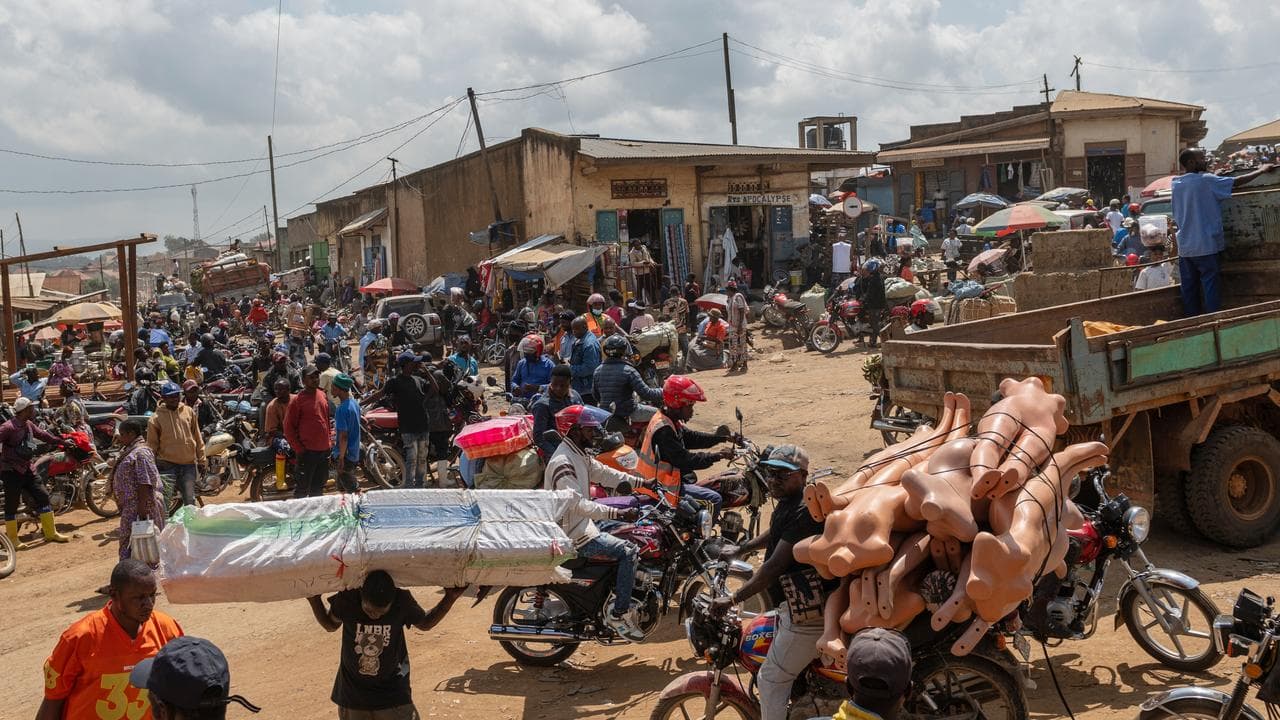
Frontline health workers, with little pay or rest, have been attacked multiple times by angry residents and have not been able to reach some communities due conflict involving armed rebel groups.
Eastern Congo has for years seen attacks by dozens of separate rebel and militant groups, some of them with links to foreign countries or to the extremist Islamic State group.
Conflict was “constraining access for the response, disrupting surveillance and response activities, and increasing the risk of undetected transmission”, the World Health Organisation said on Monday.
“Such incidents underline the challenges of the context and the importance of working closely with local leaders and communities."
Nearly a million people have been displaced by conflict in Ituri, according to the UN humanitarian office, making contact tracing difficult as people flee attacks or move frequently in the vast province with dense forests, poor roads and remote villages that can take days to reach.
Tracing also is difficult among the thousands of artisanal miners who regularly move between remote sites in the mineral-rich region.
WHO assesses the risk of spread for the rest of Africa and at the global level as low.


