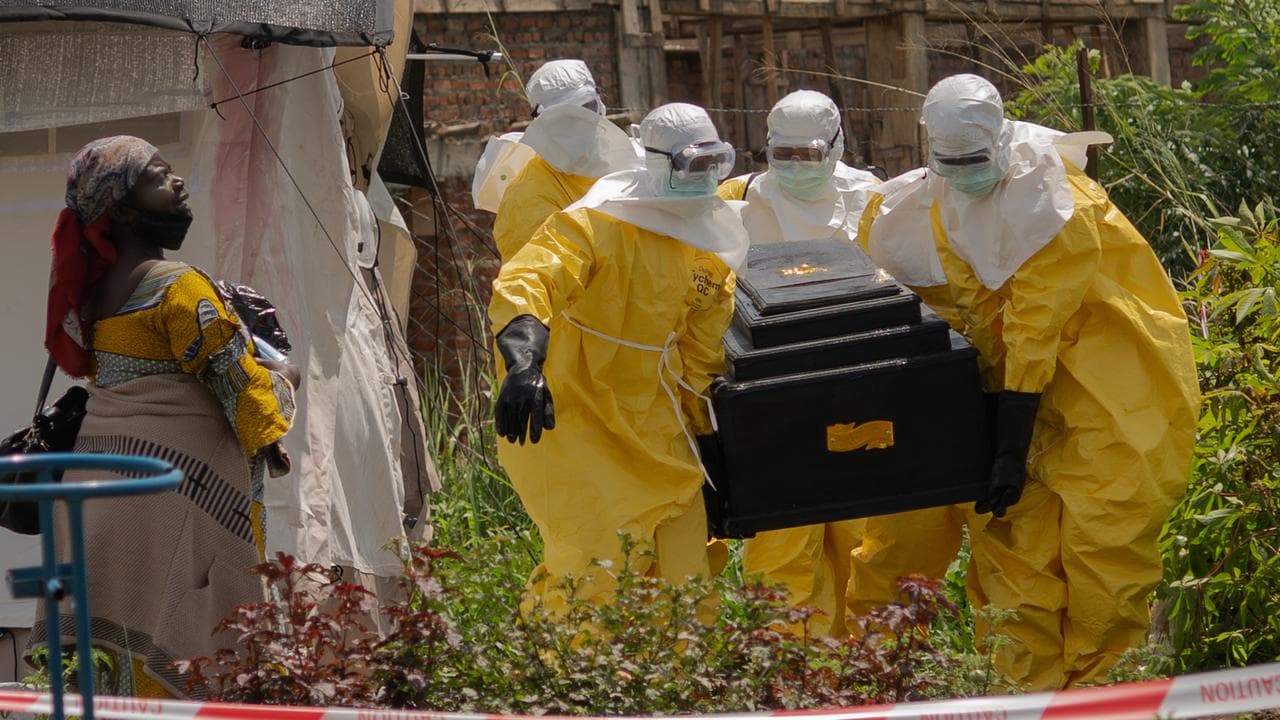
The Ebola outbreak linked to more than 130 deaths in the Democratic Republic of Congo likely started two months ago and is expected to continue to grow, the World Health Organization says.
The outbreak of the rare Bundibugyo strain, for which there is no vaccine, was declared last Friday and has alarmed experts because of how long it went undetected while spreading across a densely populated area, making it difficult to trace and isolate the contacts of infected individuals.
The WHO had previously pointed to "a critical four-week detection gap" between when the first known case started showing symptoms and laboratory confirmation of the outbreak.
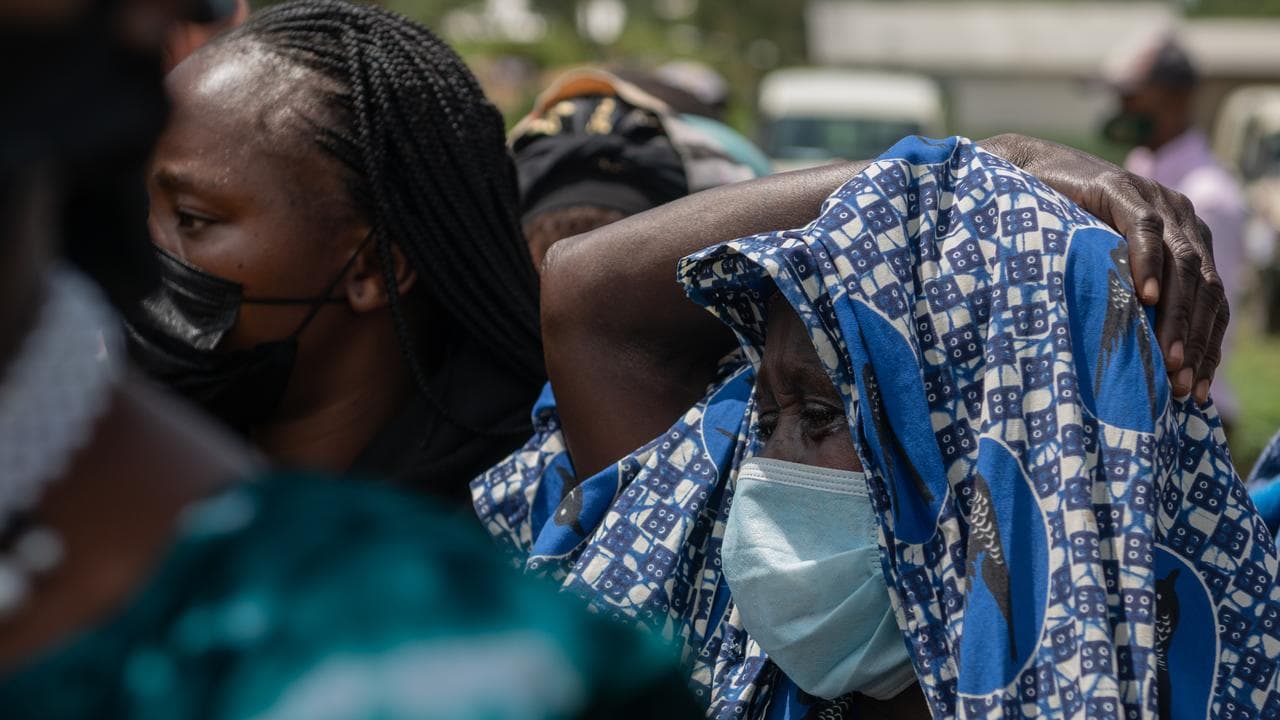
"Investigations are ongoing to ascertain when and where exactly this outbreak started," Anais Legand, WHO technical officer for viral threats, told reporters in Geneva.
"Given the scale, we are thinking that it has started probably a couple of months ago."
Congo has tackled 16 previous Ebola outbreaks but first responders say they lack basic supplies, ranging from painkillers and face masks to the motorcycles needed to trace contacts, undermining their efforts to prevent further spread.
Six hundred suspected cases and 139 suspected deaths have been recorded so far, WHO Director-General Tedros Adhanom Ghebreyesus told reporters in Geneva.
Fifty-one cases have been confirmed by laboratory testing in Congo, and two cases have also been confirmed in neighbouring Uganda.
Tedros said a WHO emergency committee had met on Tuesday and confirmed the outbreak was a public health emergency of international concern but not a pandemic emergency.
He had declared the emergency at the weekend, the first time a WHO chief had taken that step without first consulting experts, due to the urgency of the situation.
“The WHO assess the risk of the epidemic as high at the national and regional levels and low at the global level,” Tedros said.
The Bundibugyo strain of Ebola that caused the outbreak has an average fatality rate of around 40 per cent, according to the WHO.
Unlike with the more common Zaire strain, there are no approved virus-specific therapeutics or vaccines, and testing capacity is limited.
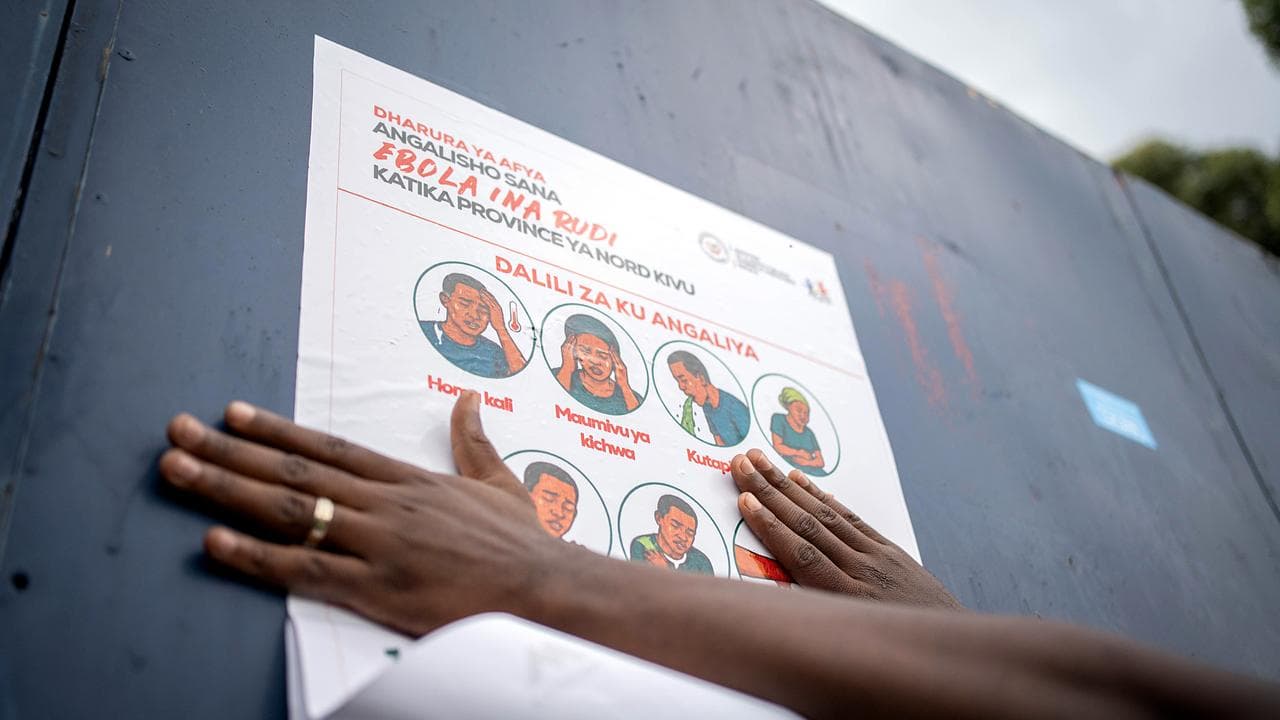
WHO experts have said two possible vaccines are under consideration for use in the outbreak but could take three to nine months to be developed.
A 2018 to 2020 outbreak of the Zaire strain in eastern DRC was the second-deadliest on record, killing almost 2300 people.
"Our absolute priority now is to identify all the existing chains of transmission ... that will then enable us to really define the scale of the outbreak and be able to provide care," said Chikwe Ihekweazu, WHO emergencies chief.
WHO experts said they suspected the outbreak likely started a couple of months ago, with the first suspected death reported on April 20.
They believe that the first death was followed by a super-spreading event either at a funeral or a healthcare facility.
Reuters reported on Monday that confirmation of an outbreak was slowed by missteps by medical personnel, including an initial failure to escalate samples for further testing after they came back negative for the Zaire strain.
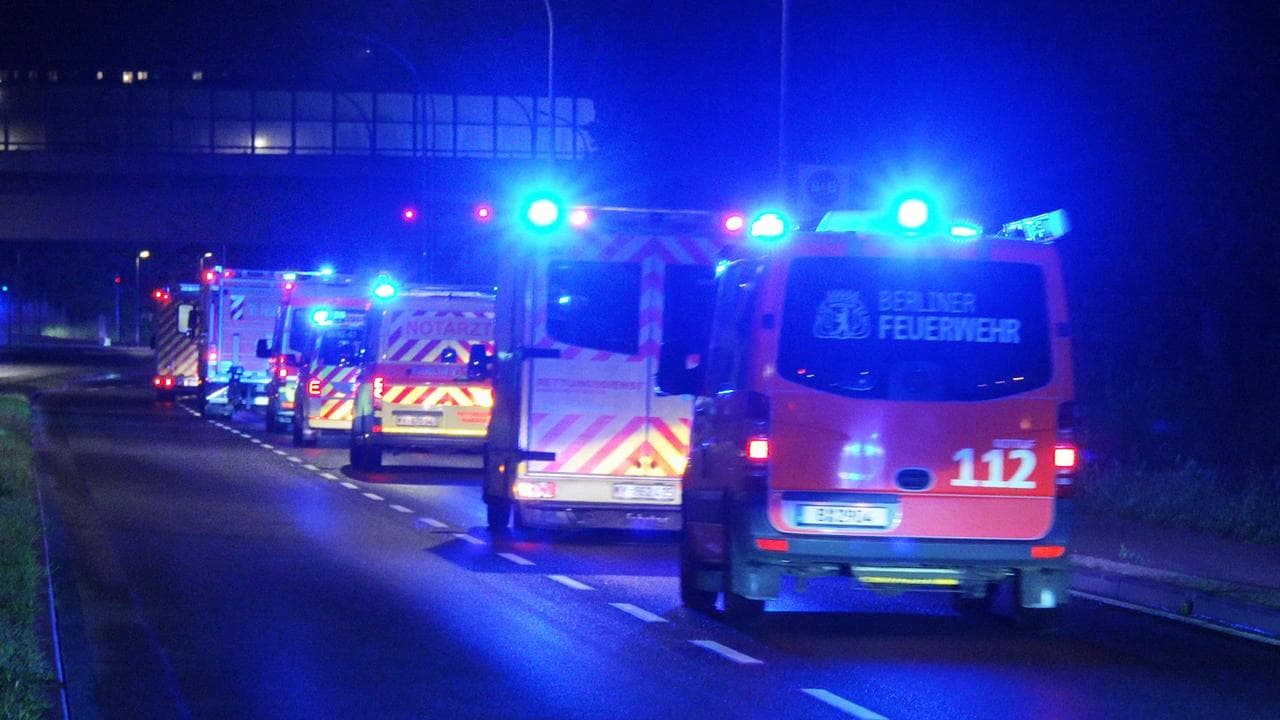
An American doctor who was working in Congo is among the confirmed Ebola cases.
He has been transferred to Germany and his family are being taken to an isolation ward in the same hospital, Germany's health ministry said on Wednesday.
The man's wife and four children had also been in Congo but the statement did not say if they were showing symptoms.
Another US doctor who came into contact with a patient infected with Ebola is being transferred from Uganda to a hospital in Prague, Czech officials said on Wednesday.


