Samantha Jade is all too familiar with the glaring gaps in Victoria's health system.
Growing up in regional Hamilton, in an electorate that has never voted red, she knows firsthand about the challenges involved, from poor roads negotiated by emergency vehicles to underfunded care facilities.
However, it wasn't until her mother was diagnosed with pancreatic cancer that she truly experienced their severity.
As a regional Victorian, Ms Jade was accustomed to long distance appointments but this time, the impact of that dislocation hit up close and personal.
"We had an oncologist who had travelled down from Melbourne to see her regularly, and other patients, but someone let slip he was leaving and patients weren't notified," Ms Jade tells AAP.
"All of a sudden, he just wasn't there."
With no alternatives offered by the hospital, the family was forced to replace face-to-face consultations with video link appointments.
"At like the peak of mum being really sick, there were no oncologists coming to Hamilton," Ms Jade says.
"I was looking into alternatives, which would be (the Peter MacCallum Cancer Centre) in Melbourne.
"She ended up passing a month later."
With Australia heading toward a severe non-GP specialist undersupply, Western District Health Service, which operates Hamilton Base Hospital, has three oncologists on staff, with a fourth joining in early 2027.
Victoria could face a statewide shortage of more than 2500 medical specialists by 2033, according to a June 2026 federal report.
It's a deficit that is estimated to almost double to 4750 by 2048.
While the state's overall practitioner numbers continue to grow, the report found significant challenges remain in relation to its sub-specialist workforce.
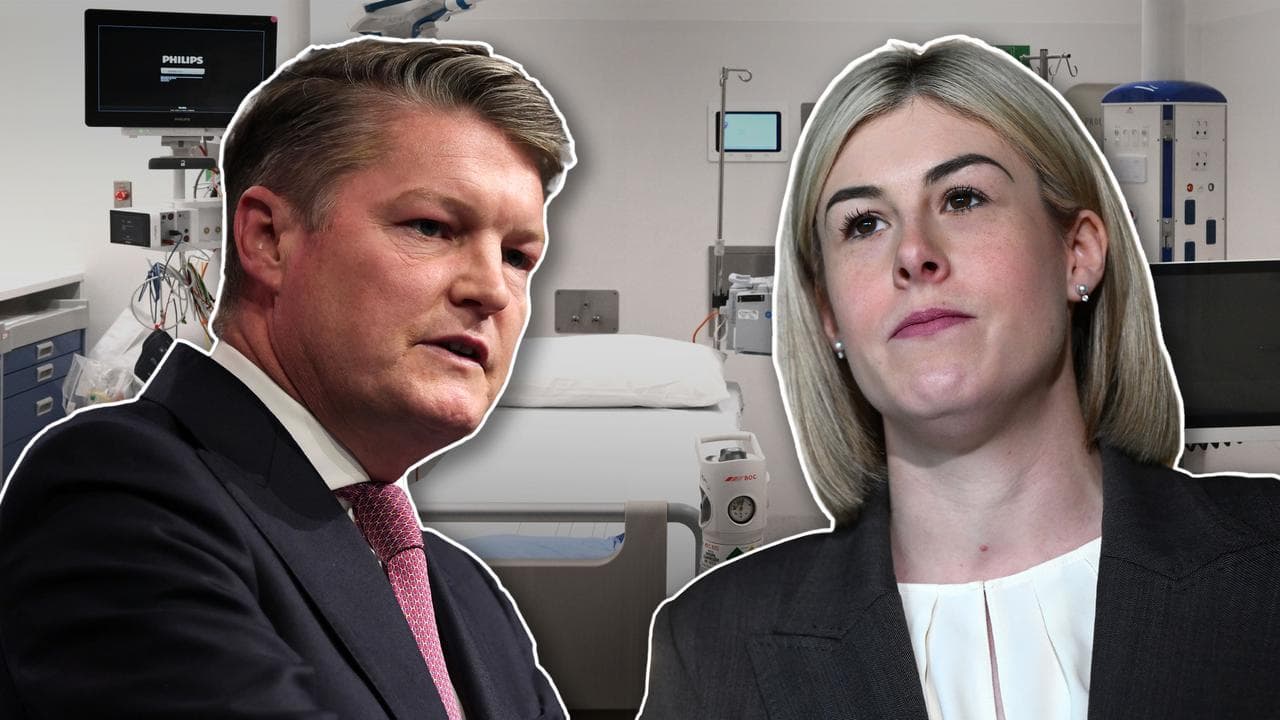
The future of health care is in the crosshairs ahead of the November 28 state election, with the major parties unveiling a suite of system-wide measures aimed at easing pressure.
Labor launched its election campaign last Sunday with a promise to spend $1.5 billion on slashing emergency department wait times.
Premier Ben Carroll flagged the expansion of a dozen hospital emergency departments by 25 per cent, including in regional areas.
Opposition Leader Jess Wilson, meanwhile, has promised $1.27 billion to halve blown-out elective surgery waitlist by paying private hospitals to operate on public patients.
She has also pledged $99 million for patient transit lounges in hospitals to divert patients medically ready to leave.
Labor and the coalition have both committed to $53.6 million to reform and expand fuel reimbursements and accommodation subsidies under the Victorian Patient Transport Assistance Scheme.
With less than a month until election day, primary support for the coalition has surged two points to 33 per cent, according to the latest Newspoll conducted in October and published by The Australian on Monday.
Labor's primary support has meanwhile slumped four percentage points to 24 per cent.
The Royal Australasian College of Physicians is calling on all sides of politics to commit to practical reforms to strengthen the state's medical workforce.
"Victoria's health system is under enormous pressure at the moment," says Niroshini Kennedy, who heads the college's paediatrics and child health division.
"There's been growing demand. We're seeing increasing numbers of children and young people needing care and waiting very long times to get care in the public system as well as in the private sector.
"This is happening across a range of medical specialties."

Dr Kennedy says greater investment and practical solutions are needed to address significant issues across regional and rural Victoria.
This includes specialist training pathways and continued support for physicians.
Annabel Martin, a nephrologist based in Albury-Wodonga, agrees.
She says patients often forgo required treatment or face excessive travel to attend metropolitan appointments.
"It takes its toll on the whole community - patients, family members, friends, even the mild distress that is felt by clinicians that are really wanting to offer the best care to their patients," Dr Martin tells AAP.
"We are a first-world country.
"We provide really good evidence-based care but it's just not equitably delivered across our country and particularly across our state, and it's a lack of investment in what needs to be done."
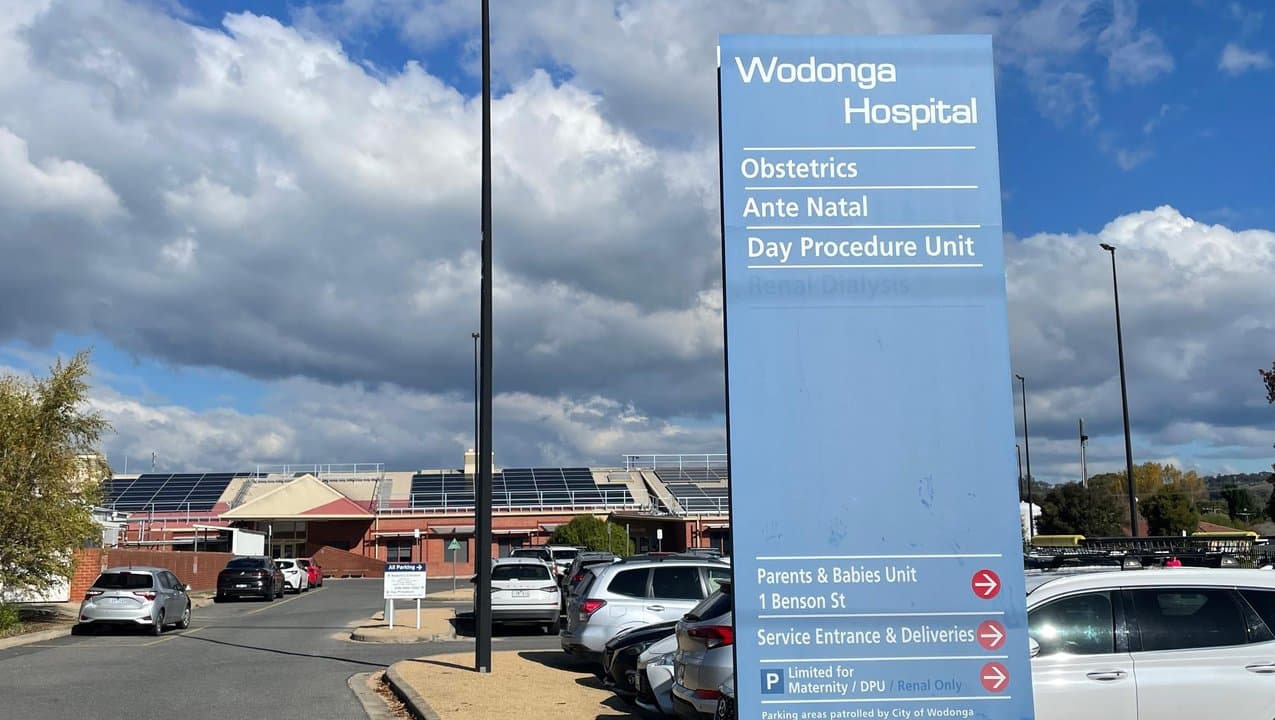
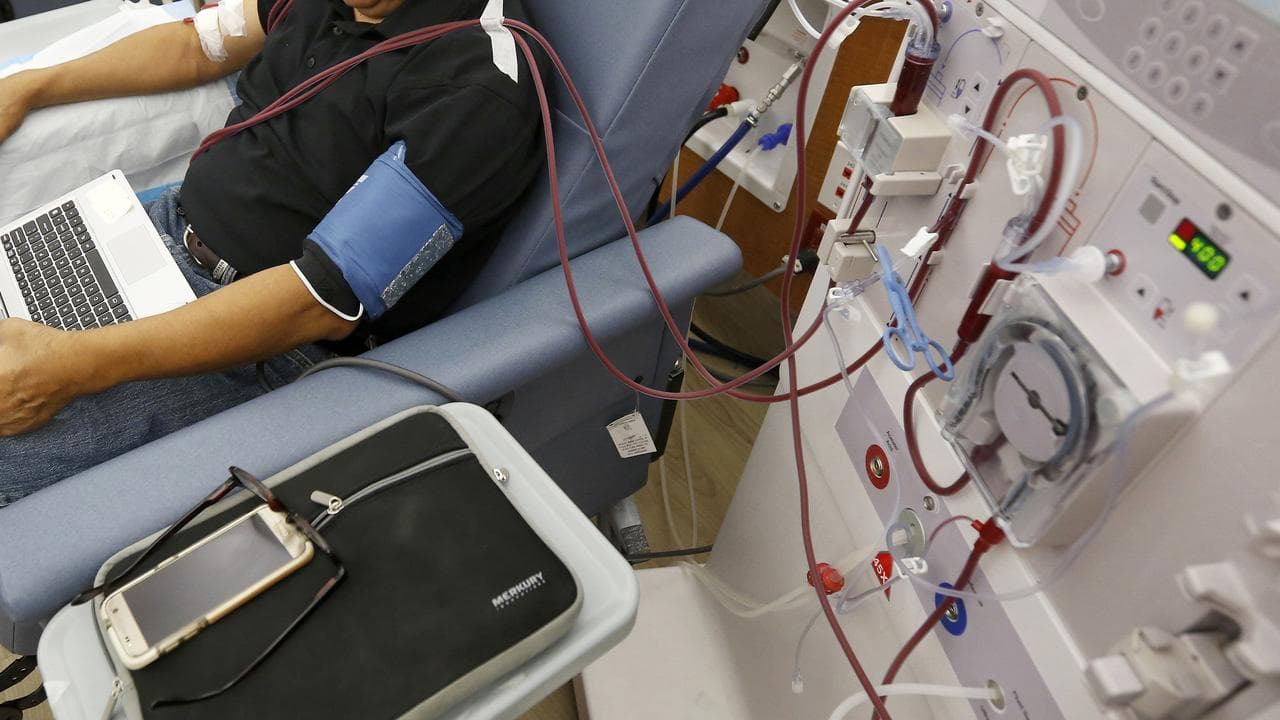
Dr Martin recalls instances where patients have even waived life-sustaining kidney dialysis due to a lack of local treatment facilities.
"The more remote or far away you are from a city centre, the harder it is for patients to receive the care," she says.
"It happens every week. I've got patients that would otherwise go on dialysis that choose not to because of the travel requirements."
There's also a persistent struggle to recruit and retain not only general practitioners but specialists such as gastroenterologists, rheumatologists and cardiologists.
"We're never going to have a perfect system but the pressure ... at the moment, with increasing health care needs, our ageing population, is just really declaring itself," Dr Martin says.
"The years of lack of investment and lack of awareness of how and where we're putting our specialty doctors, how we're training them, has just made the gap wider and wider."
Mother of three Laura Killey-Devereux, who lives in Casterton, in southwest Victoria, knows the challenges of the postcode health divide.
Her daughter started experiencing seizures when just 10 months old and was diagnosed with epilepsy aged four.
The family had to make the 350km trip to Melbourne often to access specialist care at the Royal Children's Hospital.
"We never skipped an appointment; we always made it work," Ms Killey-Devereux says.
"It was quite hard sometimes. I did it solo, which meant driving to Ballarat and catching the train into Melbourne, then taxi to the hospital."
She says it would have been much more manageable if her daughter could have accessed a neurology or seizure clinic in a regional hub.


