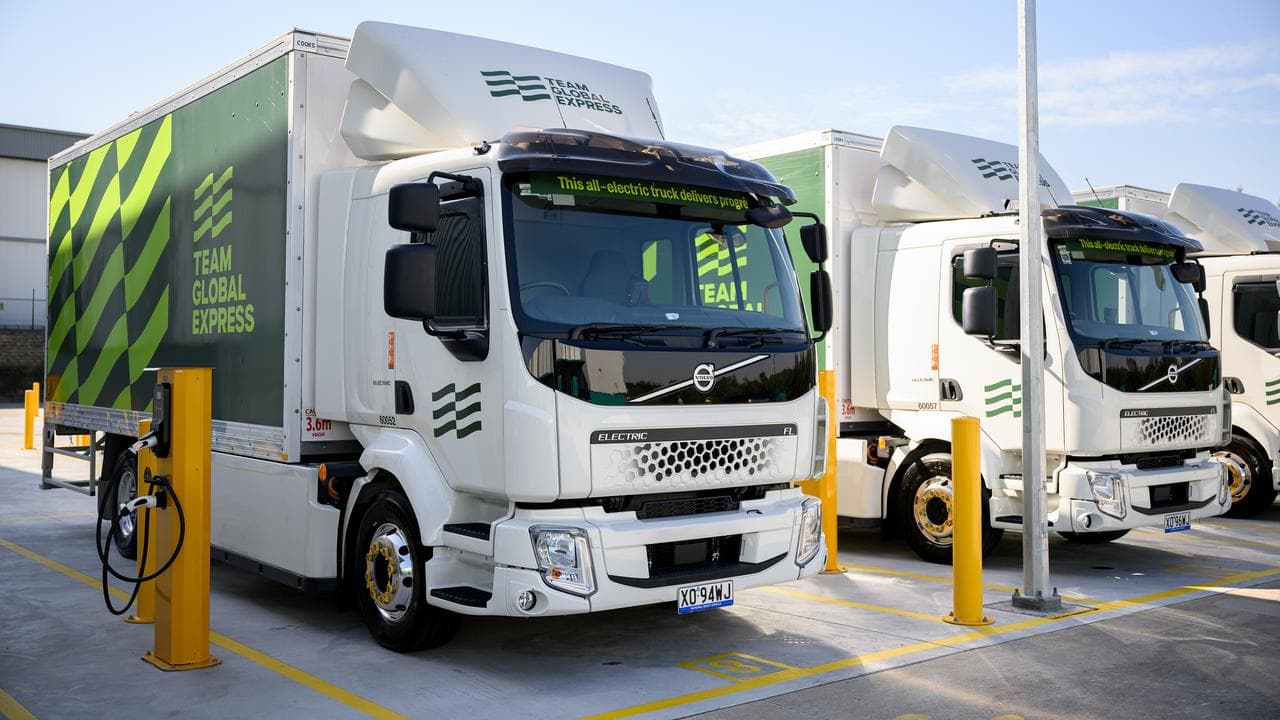
Heavy-duty electric trucks should be allowed to operate around the clock, with heavier loads and on more roads to reduce pollution and freight costs.
The change could give businesses back as much as $150 per vehicle every day, a report has found, while significantly reducing their reliance on diesel fuel.
The Electric Vehicle Council released the findings from its ELECTruck Report on Friday, which also revealed Australia trailed several other nations on low-emission truck incentives, including the UK and New Zealand.
The news comes one month after 45 transport groups signed an open letter to the federal government calling for action to boost electric truck support, and following diesel shortages and price hikes fuelled by conflict in the Middle East.

The council’s study analysed Australia's heavy-duty electric transport industry, including regulations, incentives and real-world case studies.
It found the high up-front cost of electric trucks remained the biggest hurdle to their adoption, with some costing two to three times as much as a diesel truck.
Local businesses were not offered financial support to overcome the purchase price outside the Australian Renewable Energy Agency’s Driving the Nation Fund, it said, unlike firms in India, New Zealand, Singapore and the UK.
Transport restrictions were also unfairly holding back electric trucks, the report found, including local night-time curfews designed for noisy diesel vehicles.
State-wide exemptions to the rules should be introduced for electric trucks that could operate quietly and without disruption, Electric Vehicle Council chief executive Julie Delvecchio said.
"Australia has invested in the cleanest, quietest technology ever built and then locked it out of the very hours where it would make the biggest difference,” she said.
"A rule designed to solve a diesel problem is now blocking the very technology that solves it."
Allowing ANC Delivers to use its fleet of 100 electric vehicles to deliver goods in the evening could boost productivity by up to 25 per cent, the study found, and reduce failed deliveries.
Other restrictions on electric trucks in Australia included a 6.5-tonne axle mass limit, which was significantly lower than limits in Europe, the UK, USA and China, as well as prescriptive maps for electric trucks that different by state.
The report recommended five changes to support electric trucks, ranging from point-of-sale incentives and a plan for more charging stations, to reforms to weight, noise and access rules.
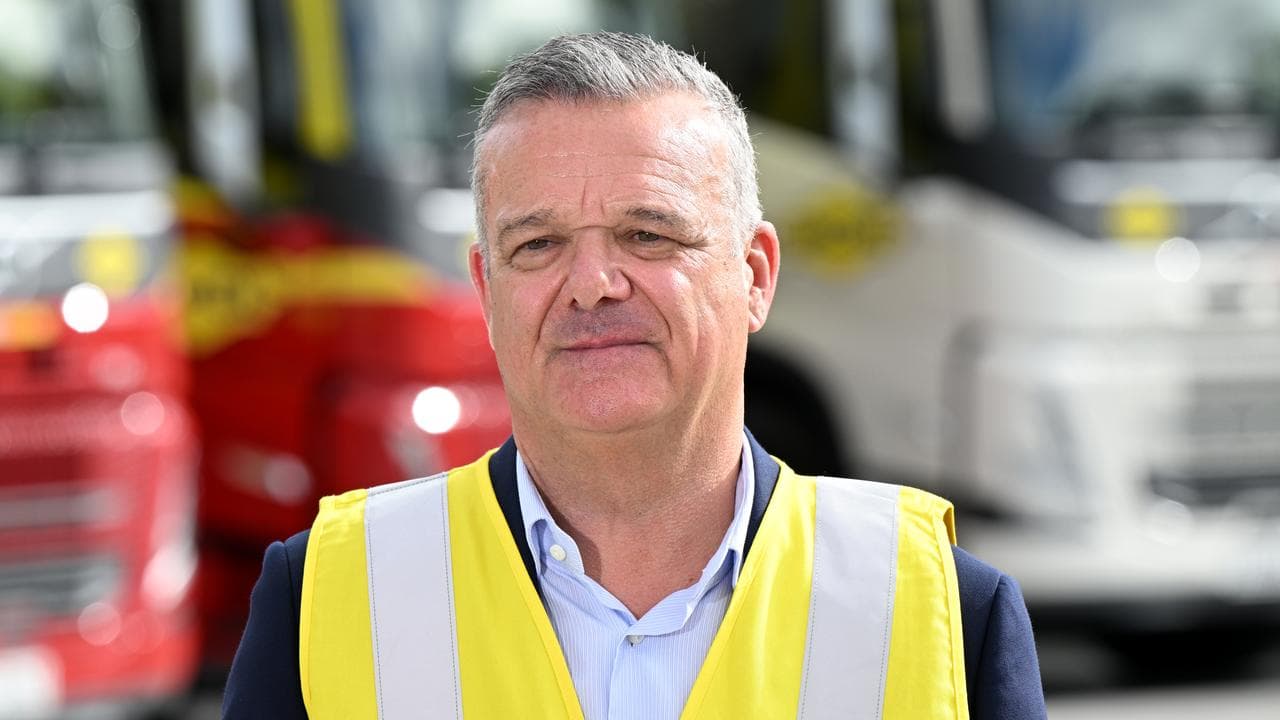
More businesses would invest in low-emission heavy vehicles under consistent rules, Volvo Group Australia chief executive Martin Merrick said, adding Australia could reach 20 per cent adoption by 2030.
"We know the desire is there from the big operators," he told AAP.
"If they can utilise their vehicles and get greater access… they would absolutely bring more electric vehicles into their fleet."


