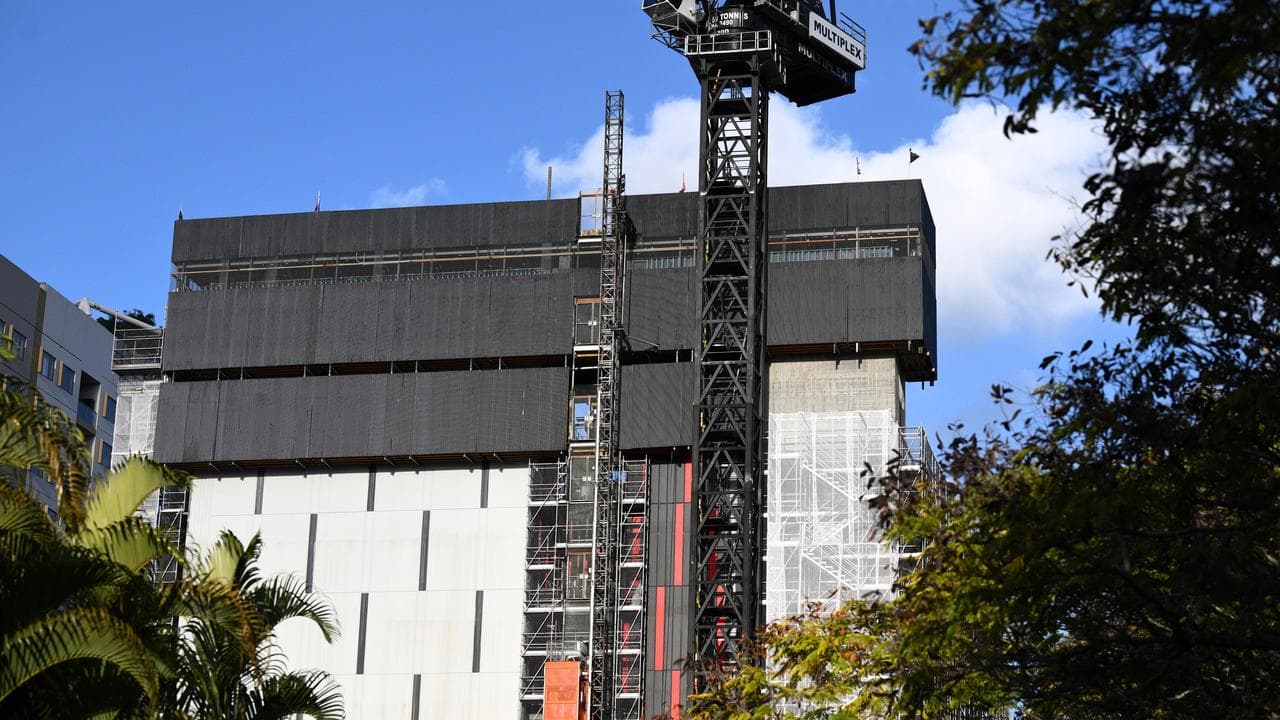
Data centres will likely be the sticking point in testy negotiations between Canberra and the states on cutting environmental red tape.
Handing over all responsibility for environmental approval of projects to states and territories was the subject of a meeting between state ministers and their federal counterpart Murray Watt in Brisbane on Friday.
While developers will still have to navigate federal environmental law, the changes would allow those assessments to be done by each state alongside their own regulations, halving the number of governments to navigate.
But less than a year remains before the looming mid-2027 deadline for states to sign on, with only NSW and WA having inked bilateral agreements.
"If anything, it's actually happening faster than I expected," Mr Watt told ABC TV on Friday, stressing delicate federal-state agreements could not be rushed.
"We do not want to see our national environmental requirements being reduced or weakened by a rogue state or territory."
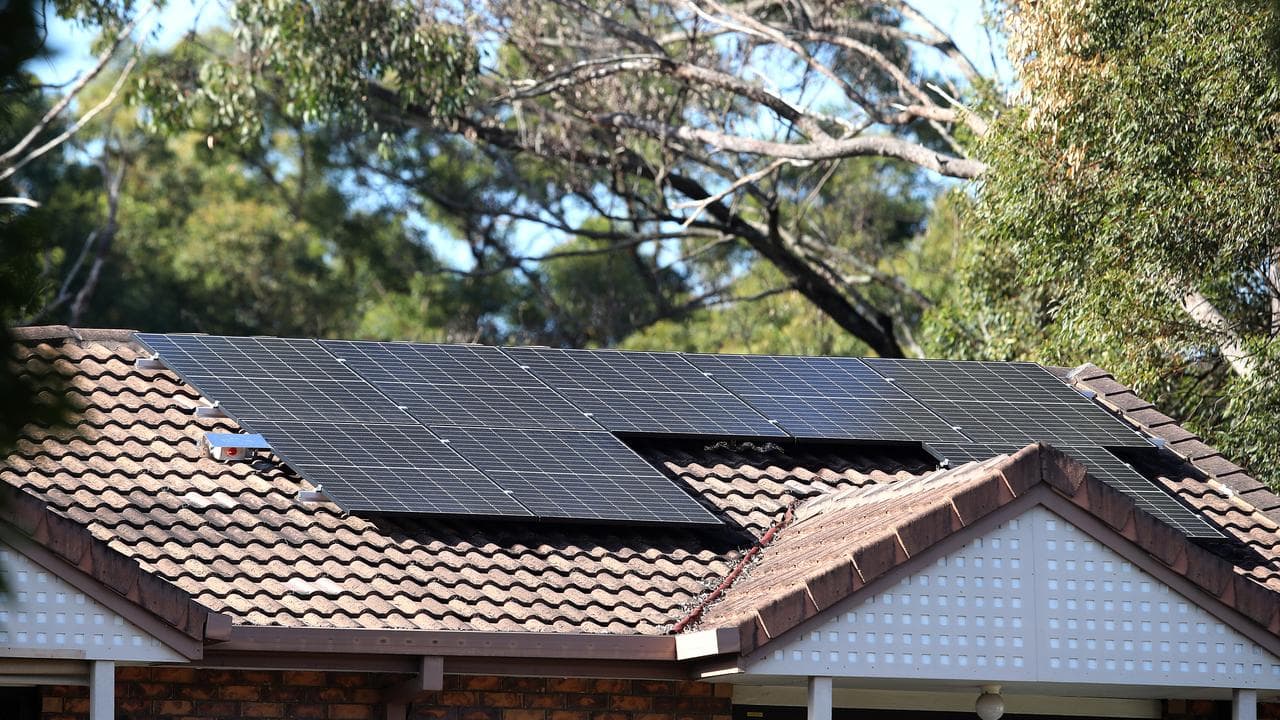
Harmonising restrictions on polystyrene food trays, packing peanuts, plastic confetti, heavyweight plastic shopping bags and reconciling state-to-state models for how to handle dead solar panels and batteries were also on the agenda at the Brisbane round-table.
It comes after weeks of debate over new national standards for artificial intelligence infrastructure which could require developers to provide their own renewable energy.
Queensland and the Northern Territory have appeared to receive a carve-out from mandates for centres to provide their own power, allowing for sites in those jurisdictions to be fueled by coal and gas.
That much was hinted at by a consultation paper on the burgeoning standards released by the federal government on Friday, which floated setting national minimum standards for investment in renewables but granting leeway to certain states.
"AI standards will operationalise the requirement for large data centres to invest in new renewable electricity supply ... taking into account state-owned generation as considered by National Cabinet ... or where jurisdictional arrangements may not yet meet the standards," the paper read.
Most of Queensland's and nearly all of the Northern Territory's power generation is publicly owned, which the consultation paper flagged could mean those jurisdictions could lower the renewable electricity quotas for their data centres.
"(They can apply) if they can demonstrate their alternative energy mix would result in clear benefits for grid stability and lowering electricity prices for customers," it said.
Two-thirds of Queensland's electricity comes from coal, with gas providing more than 80 per cent of the NT's power.


