It took 40 years for Dawn Kenny to discover what was causing her seizures.
She took cocktails of medications, subjected herself to horrific side effects, and at times endured as many as 20 fits a day.
"Sometimes I feel like: why don't I just pack in the whole lot?" she told AAP.
More than five years passed before she was finally diagnosed with epilepsy, but the disease's origins stayed a mystery for decades, hindering her treatment.
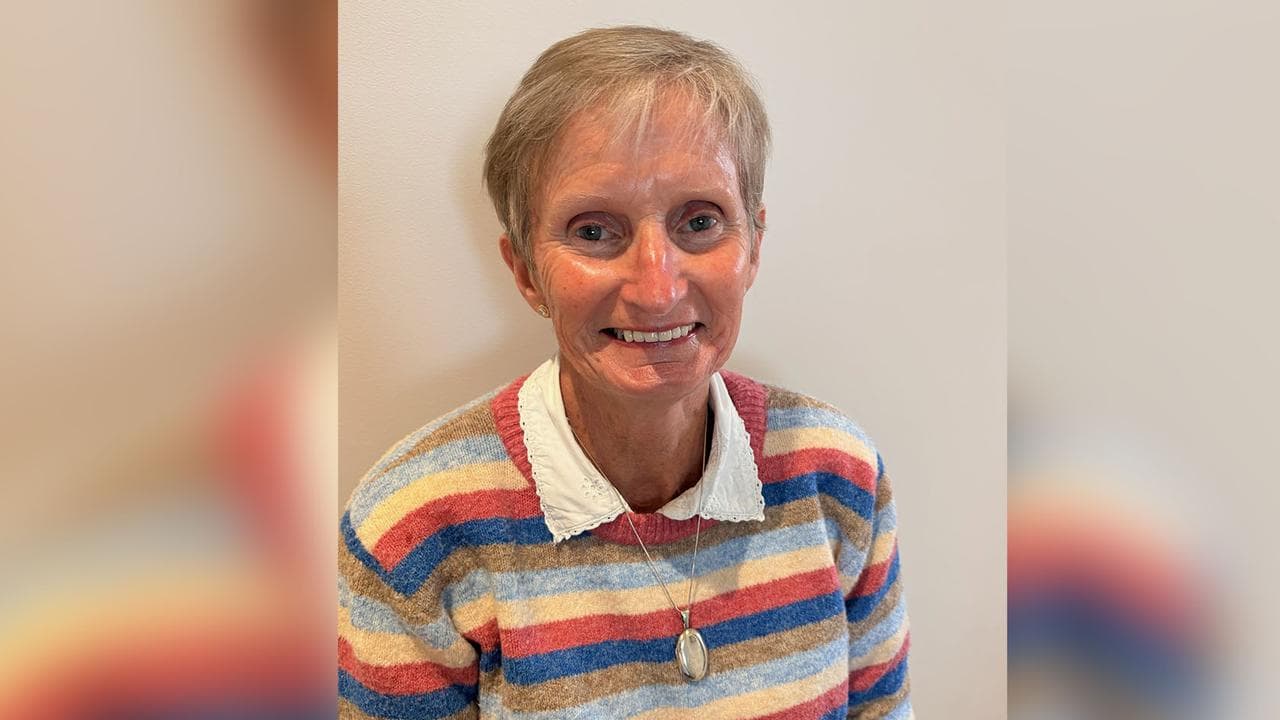
Ms Kenny often had to wait for months and travel hundreds of kilometres between visits to doctors, neurologists, hospital stays and a rare surgery, despite living in a capital city.
"There are brilliant doctors here, but the funding just isn't there," the 72-year-old Adelaide resident said.
"That to me is so sad: I've got to fly to Melbourne because there isn't that help available here.
"Epilepsy in this country, it's pushed under the counter."
In Ms Kenny's state, the average wait for an appointment at an adult epilepsy clinic is two-and-a-half years, according to research by the Australian and New Zealand Association of Neurologists and the Epilepsy Society of Australia.
Epilepsy isn't usually fatal, but long waits for diagnoses increase the risk of premature death and drive up avoidable hospital admissions.
Savings there will generate massive returns on any public money the government spends on infrastructure, research and treatment, the advocacy groups argue.
The disease affects 166,000 Australians - the only neurological disorders more common are migraines, strokes and dementia - but it remains dogged by misconception and stigma.
"Friends would just shy away because everyone thought I'd be lying on the ground jerking," Ms Kenny said.
"I don't have that sort of epilepsy."
That ignorance, along with faster diagnoses and funding issues, are the subject of a Senate inquiry due to hand down its findings on September 17.
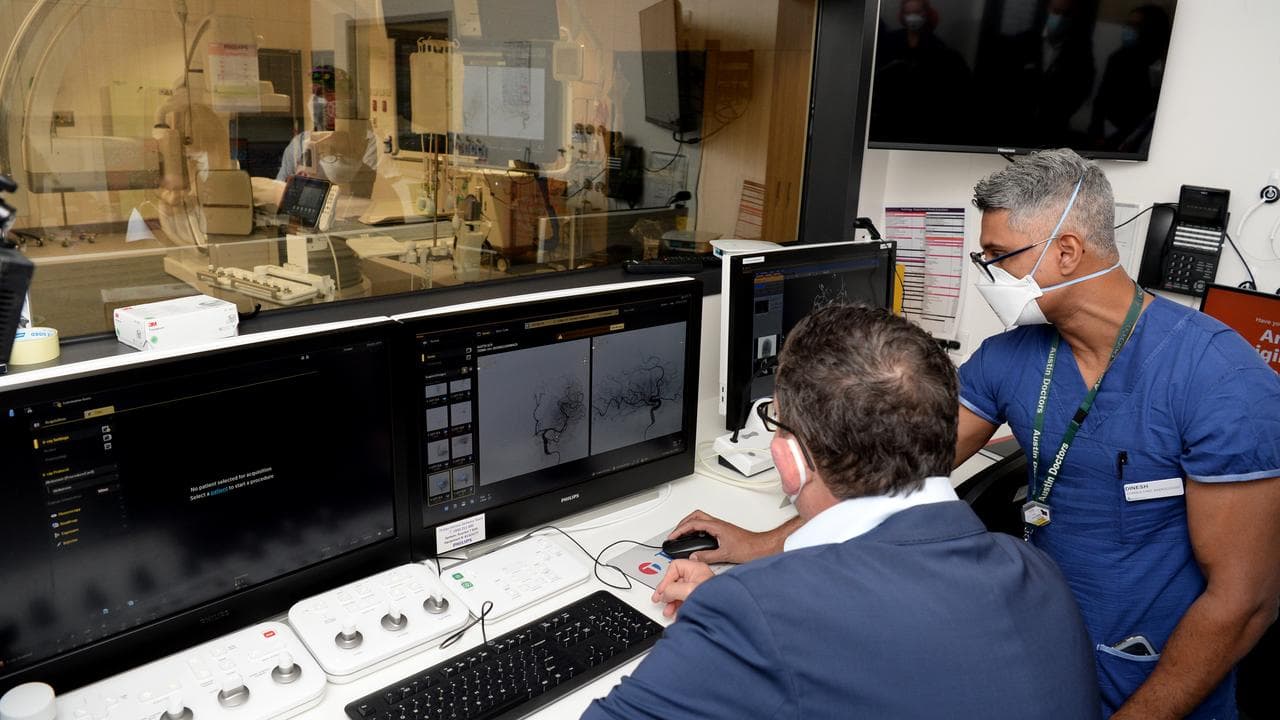
Epilepsy killed 322 people in 2023, by the Australian Institute of Health and Welfare's most recent tally, and hospitalised almost 15,000.
For Ms Kenny, a bout of meningitis as a teenager had left some hardened tissue behind in her brain which, decades after her first fit, was deemed the cause of her epilepsy.
Doctors blasted the culprit away with lasers, giving her three seizure-free months, but Ms Kenny is still heavily medicated and may have to go under the scalpel again.
"I just have to carry on and just hope and pray that something will eventually happen that will stop it, but at the moment, there just isn't anything," she said.
"You're never going to have a normal life, and you just learn how to adapt and live with it."


