Controversial political campaign donation laws and electoral spending caps are being challenged in Australia's highest court, with independents arguing they stack the deck against them.
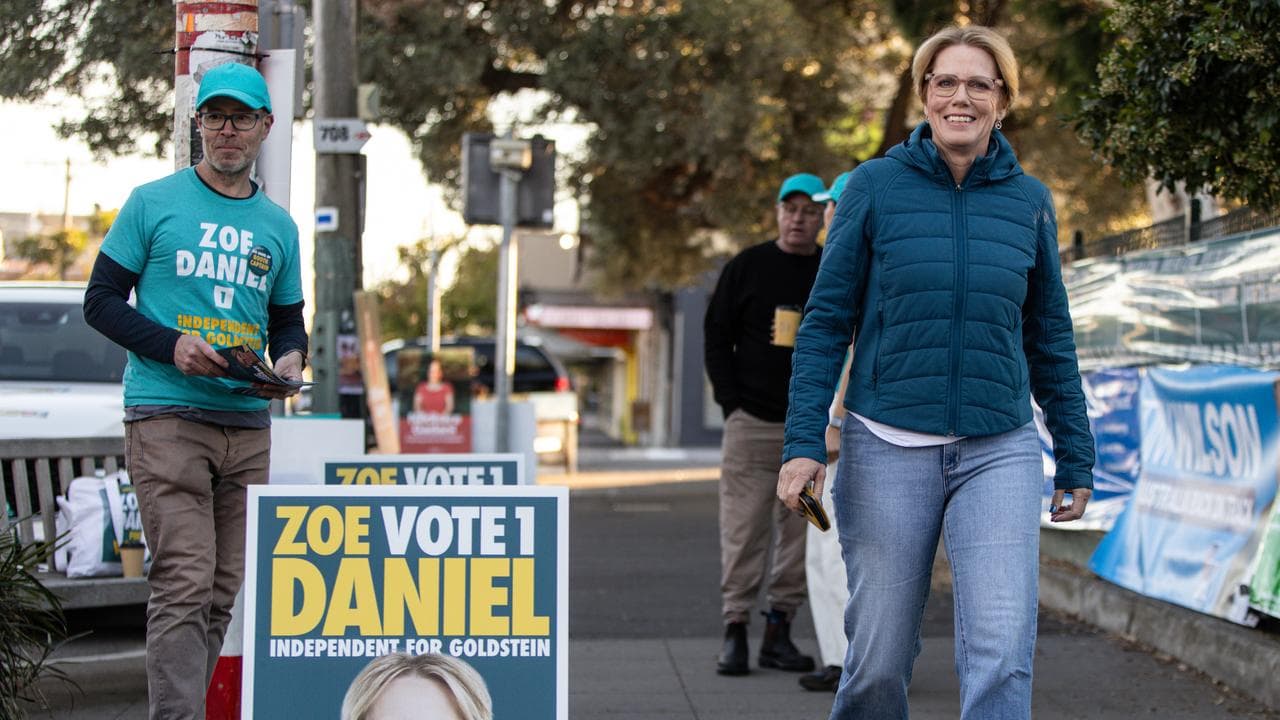
Former politicians Zoe Daniel and Rex Patrick have launched a High Court bid, claiming the reforms privilege major political parties over independents.
The reforms would allow major parties to dominate politics, drown out other voices and impede independent candidates from competing with those endorsed by major parties, the court documents allege.
"The burden on the implied freedom ... is not justified," the filing states.
The reforms, which will come into effect in mid-2026, cap donations to $50,000 per person to a party or candidate and an $800,000 election spending cap per electorate.
But major parties could receive up to $450,000 per person, as a donor can give $50,000 to each of their state, territory and federal branches.
Senate candidates can spend up to $200,000 per seat in their state or territory, meaning the cap ranges from $600,000 in the ACT to more than $9 million in NSW.
But political parties can spend up to $90 million on general advertising across the nation.
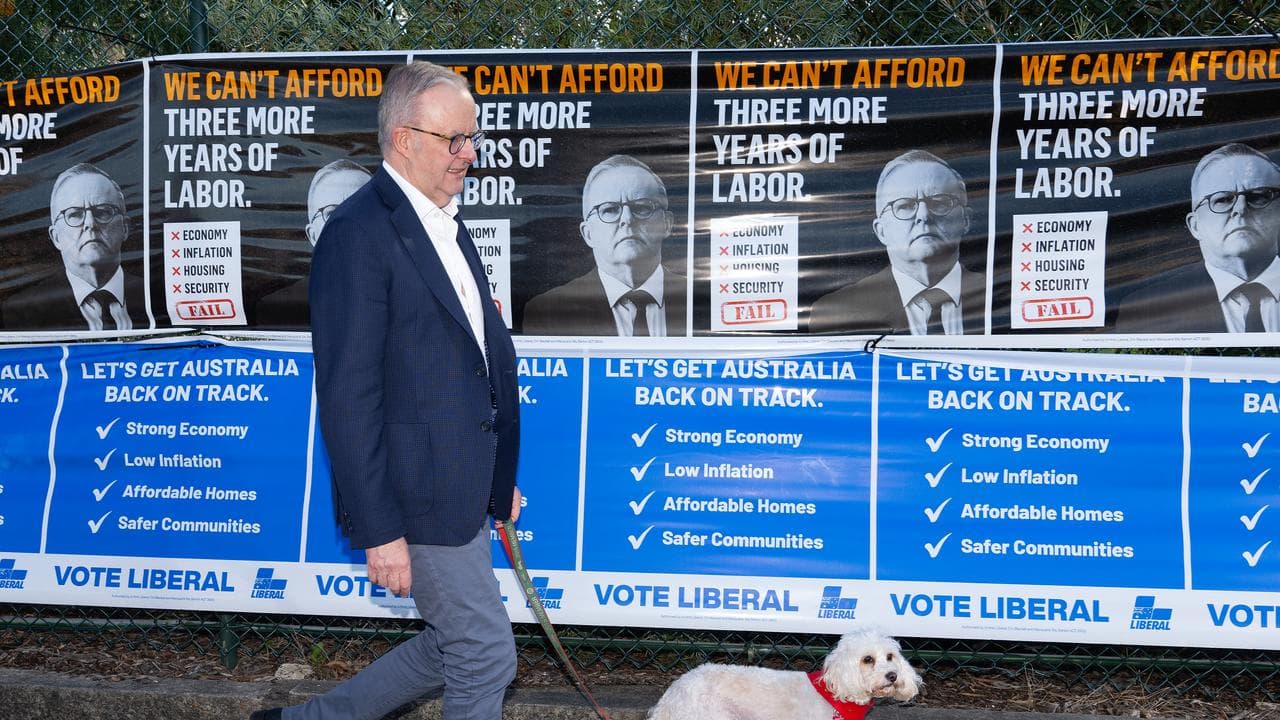
General advertising, such as signs promoting the party and not the candidate, doesn't count towards the local cap.
Independents argue this stacks the field against them as they're limited to the electorate spending cap while major parties can flood marginal seats with millions of dollars of general advertising.
The former MPs are also fighting against restrictions on donors giving to more than five candidates in a state or territory, which they argue is aimed at independents propped up by fundraising groups like Climate 200.
"It's a rort, not reform," Ms Daniel said.
Parts of the laws overreach appropriate restrictions on the implied freedom of political communication in the constitution, the legal filing argues.
Special Minister of State Don Farrell argued the reforms made political campaigns fairer by taking big money out of politics and increased transparency around spending.
He was contacted for comment on the filing but has previously said the Commonwealth expected a legal challenge.
Ms Daniel and Mr Patrick said they were considering running at the 2028 election and the expenditure and donation caps were "a significant disincentive from running".
Ms Daniel disclosed she had received a $6000 payment from Climate 200 into a federal account on the proviso it be used if she ran against in 2028 after losing her seat to Liberal Tim Wilson in May.
The progressive funding vehicle pledged to donate the maximum amount each year up until the next federal election, or more if the caps were struck out, to Ms Daniel, the 74-page court filing reveals.
The former member for Goldstein declared she spent just under $1.6 million in 2022 to unseat then-incumbent Mr Wilson, and almost $1.8 million in 2025, both of which exceed the new cap.
Mr Patrick said he believed he would need to spend more than the caps to launch a competitive Senate campaign at the next election.


