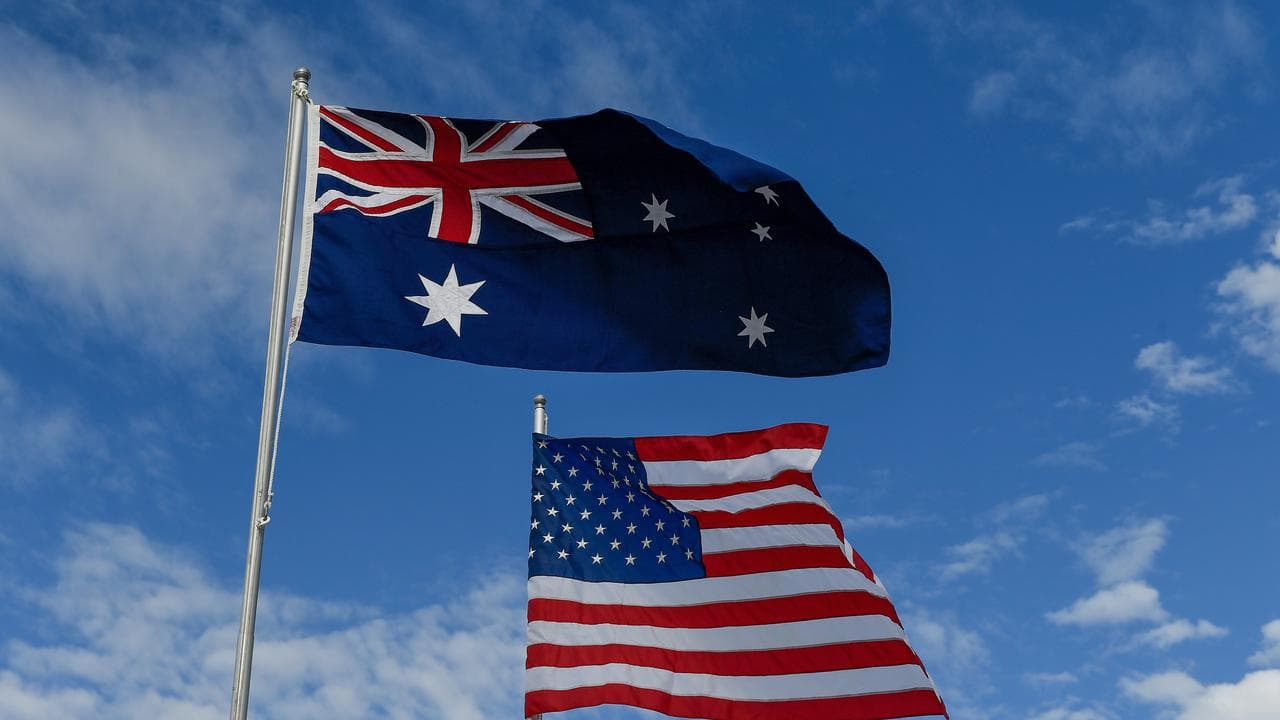
The United States will not "have enough skin in the game" to send troops to defend Australia in the event of an attack from China, a leading international security expert has warned.
Sam Roggeveen, director of the Lowy Institute's International Security Program, also said the anti-immigration policies being touted by both major parties, as well as One Nation, would weaken Australia's position on the global stage.
"Retreating from immigration will make us materially weaker," he told a studio audience at the ABC in Sydney on Wednesday evening.
"We should recommit to multicultural immigration, not because diversity is strength ... but because scale is strength."
Mr Roggeveen's talk was the first of four lectures from experts on Australia’s engagement with Asia in the 21st century, as part of ABC Radio National’s Boyer Lectures series.
He said the rise of China had made the US's position in Asia "unsustainably weak," meaning Australia could no longer rely on the United States to defend it in the region.
"America won't risk its own troops in a fight against a nuclear-armed opponent because its vital interests won't be at stake," Mr Roggeveen said.
"To put it bluntly, America won't have enough skin in the game."
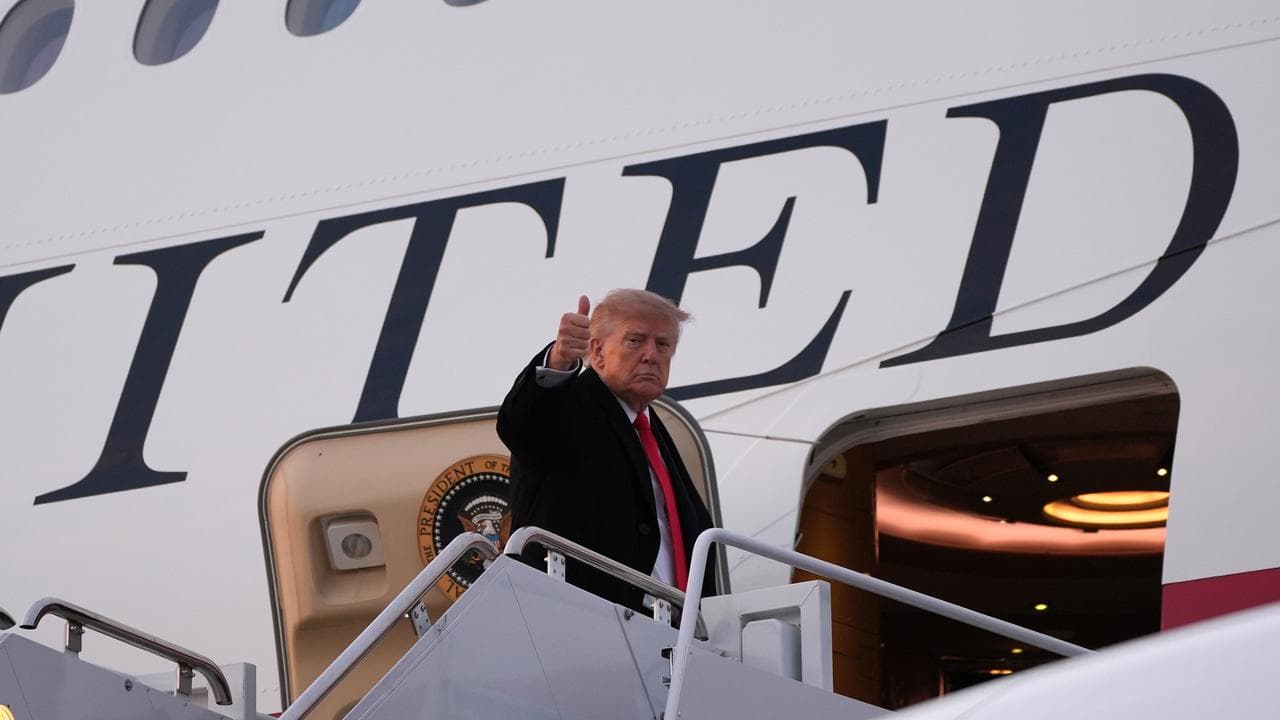
The AUKUS agreement with the US and UK, Mr Roggeveen said, was the US exploiting Australia's "insatiable desire to win the approval of Americans".
"Australia should be sceptical of both China and America, as one rises and the other declines," he added.
"And from this dual skepticism flows an obvious conclusion: we must do more to look after ourselves."
He added that the US's decline and China's rise was not because of current President Donald Trump, but that the shift in power would continue beyond his time in the White House.
"No previous US president could have prevented China's ascent, and no future US president is going to risk their nation's safety and prosperity by entering a competition with China that could lead to war," Mr Roggeveen said.
He recommended Australia strengthen ties with Indonesia, warning that the dangers of getting the relationship wrong were immense.
"Indonesia is Southeast Asia's leader, and soon its economy will surpass ours," he said.
"If we get this relationship right, Indonesia offers a natural barrier against threats from third countries."
Finally, Mr Roggeveen offered a scathing report of the current state of Australian democracy, describing the country's major parties as "weak" and "fragile".
"Right now, the boldness Australia needs has no political home," he said.
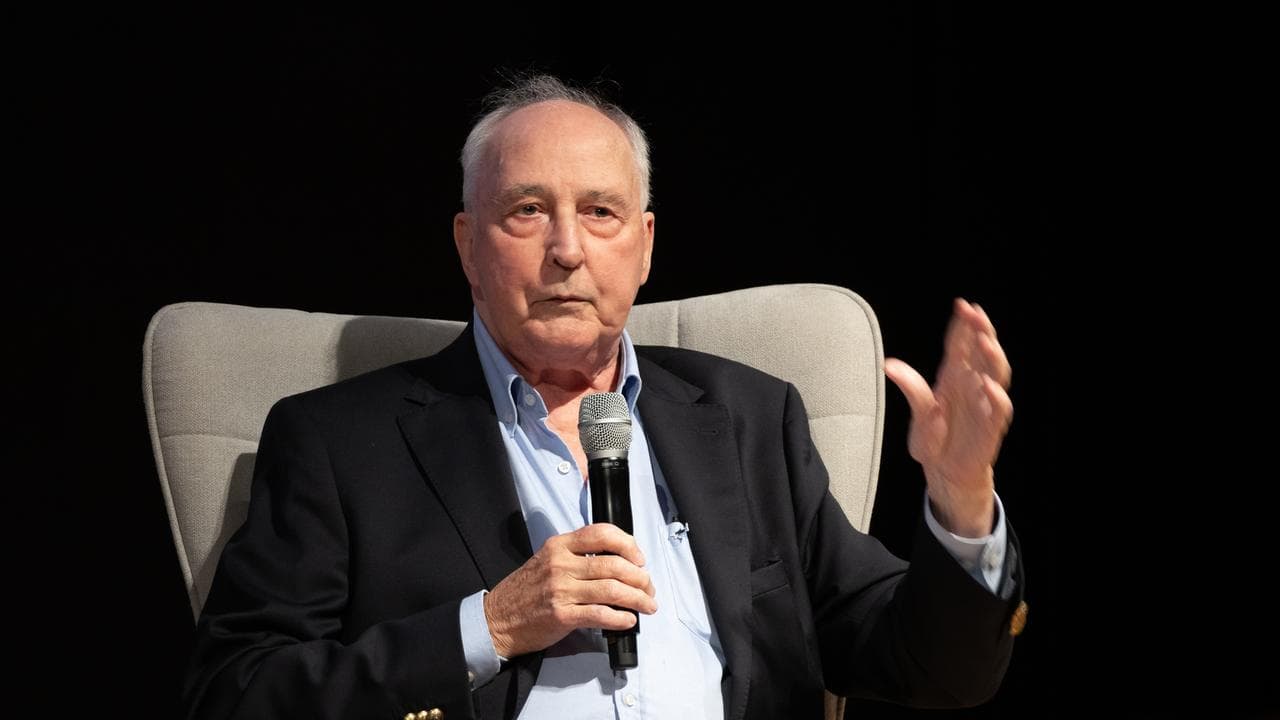
His comments echoed those made recently by former prime minister Paul Keating, who has long been a critic of the AUKUS program and anti-immigration policies.
"In these arrangements with the Americans ...and the British, we've lost sovereignty," Mr Keating said at a Sydney Writers' Festival event last month.


