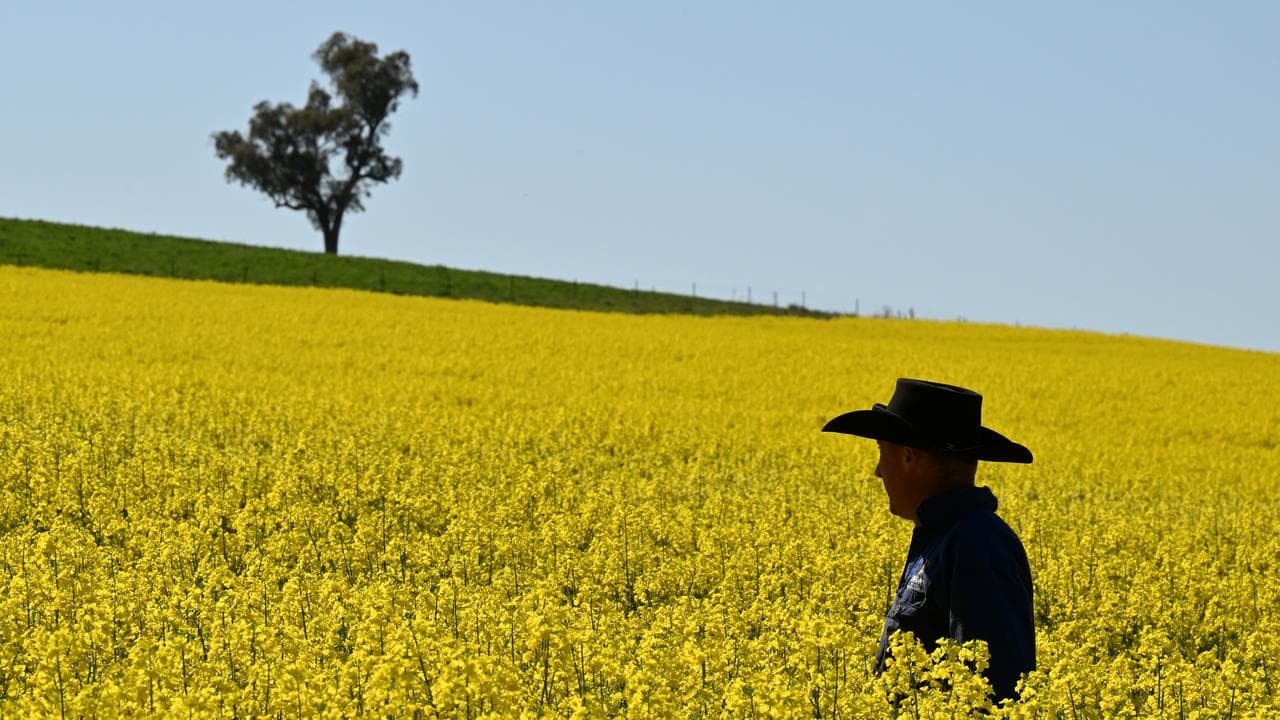
Frustrated farmers say they are absorbing significant climate change burdens while also being expected to clean up the mess created by emissions from coal and gas companies.
The agriculture sector has made big cuts to its emissions, and attention now needs to focus on the fossil fuel companies that buy most of Australia’s carbon credits but have not reduced pollution on their own sites, a report says.
The report, commissioned by Farmers for Climate Action, said higher insurance costs and more fires and droughts meant farmers were paying for climate change driven by industrial emissions.
ABARES estimates farm profit is down by nearly $30,000 a year.
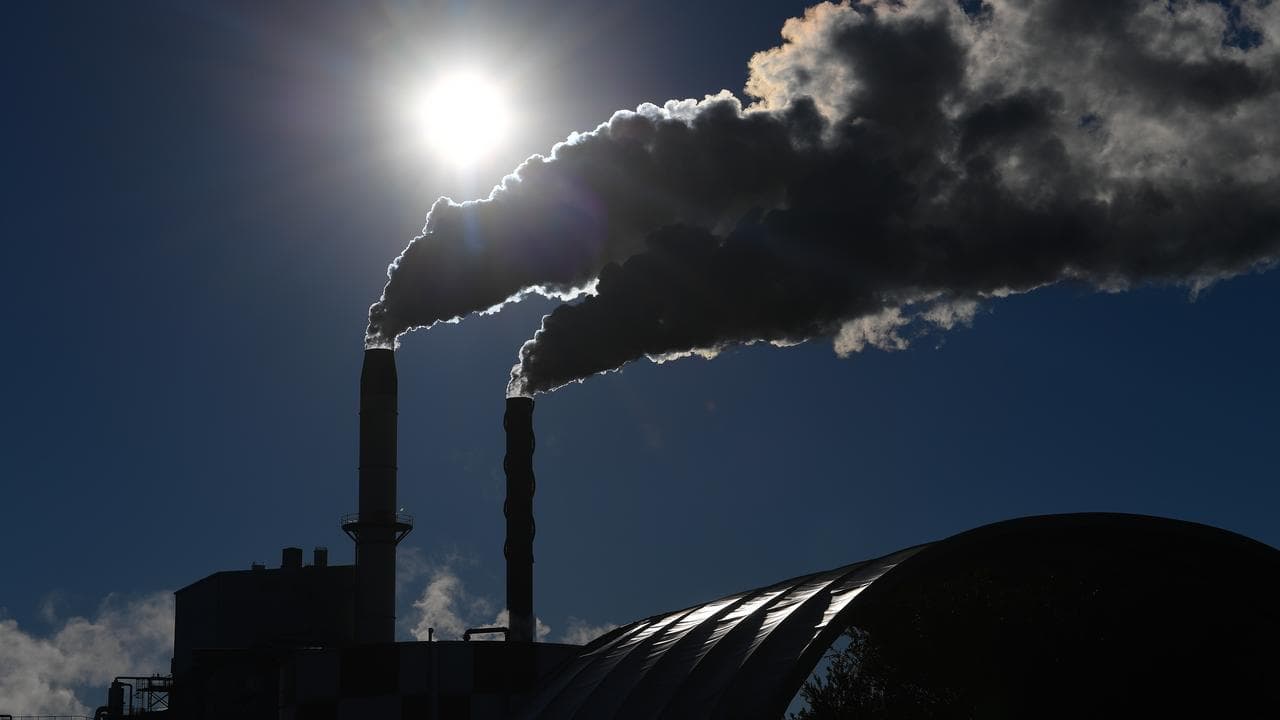
Carbon offsets formed the largest proportion of Australia’s emissions “reduction” but if they were not planned and integrated into food and fibre production, productive agricultural land could be lost, the report warned.
Report author Oscar Pearse said projections highlighted the long-term threat to agricultural land if large polluters were not restricted from passing their emissions reductions on to farmers.
“The industrial polluters will always prefer to pay for food-producing land to be planted to carbon plantings, instead of reducing their pollution at the source,” he said.
Former NSW Farmers president Mal Peters said Australian agriculture was providing a service worth more than $1.2 billion a year to industrial polluters like coal and gas.
“Regional Australia is still effectively subsidising big industry,” he said.
“It’s time our land and communities weren’t treated as a cheap shortcut for heavy industry.”
The report recommends using policies to drive genuine industrial emissions reduction at the source, rather than relying on carbon offsets on farmland.
It also says essential food-producing land should be protected, while land, carbon and nature policy needed to be linked.
Former NFF policy committee member Mitchell Clapham said heavy industries were being allowed to use farmland for set-asides as an easy out, rather than addressing emissions at the source.
“Instead of singling out progressive farmers who choose to produce renewable energy as a practical income stream, we need to focus on holding big polluters accountable,” he said.
Australia could have stronger industrial climate policy, viable farm carbon markets and protect its productive agricultural capacity at the same time, the report said.


