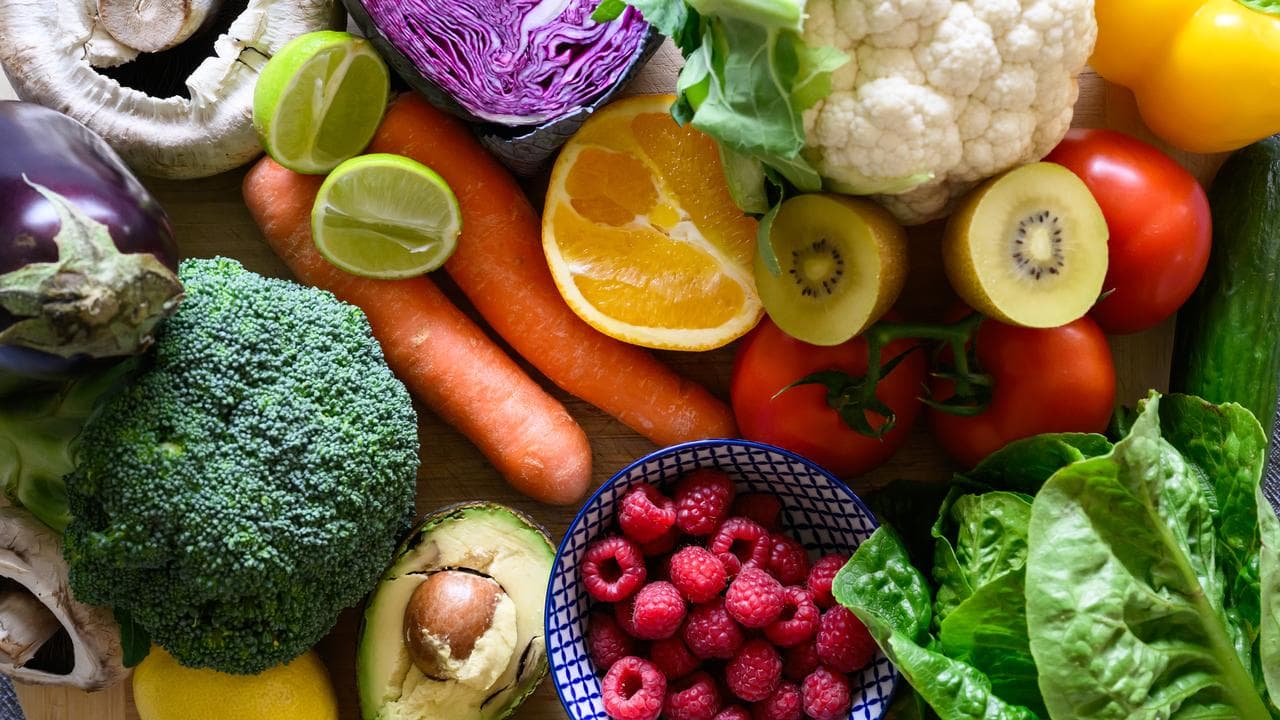
Australian fruit and vegetable growers are missing out on the sale of up to a million tonnes of produce annually that never makes it to market.
That's a whopping $2.5 billion a year but a figure dwarfed by the costs linked to such a huge loss.
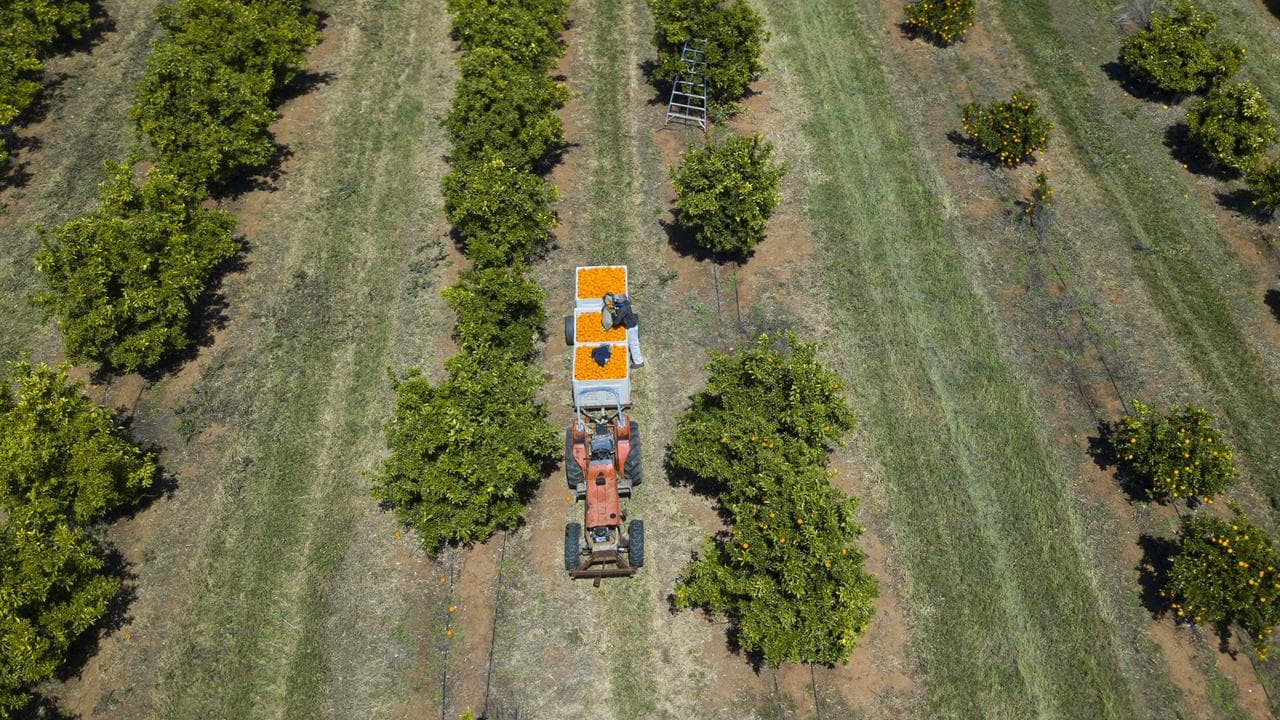
Data shows Australian horticulture experiences average food loss rates of about 20 per cent per farm, with growers often wearing the expense of paying for seed, water, fertiliser, crop protection and labour.
This represents an enormous but largely invisible economic risk, costing an estimated $36.6 billion annually, or about 1.4 per cent of GDP.
As such, it's one of the largest avoidable sources of productivity loss in the Australian economy.
In response, a new national research program is under way that aims to help farmers tackle surplus and on-farm losses.
Leading the program, End Food Waste Australia says it will put growers at the centre of national on-farm trials designed to measure where losses occur.
Practical ways to lift utilisation from each harvest are also being tested, product specifications reviewed, commercial pathways for surplus and out-of-spec produce identified and farm-ready resources developed.
The program is funded through Hort Innovations Frontiers with various government co-investment.
Director of Research, Development and Extension Francesca Goodman-Smith says the project will work with growers on industry-wide solutions.
“International trials have shown growers can increase profitability by up to 20 per cent through food waste reduction,” she said.
“When food isn’t sold its not just the food that is wasted, it is also the fertiliser, water, labour and opportunity cost of using that land.”
Hort's General Manager of Production and Sustainability Anthony Kachenko says there's a need to focus on improving profitability.
“Australian growers produce some of the best horticulture products in the world and work hard to get it to market," he said.
"This national program will support our growers by providing practical, commercially realistic tools to maximise value from each harvest.”
A key element will be consumer research examining preferences and product specifications, the cosmetic and size standards that influence sale.
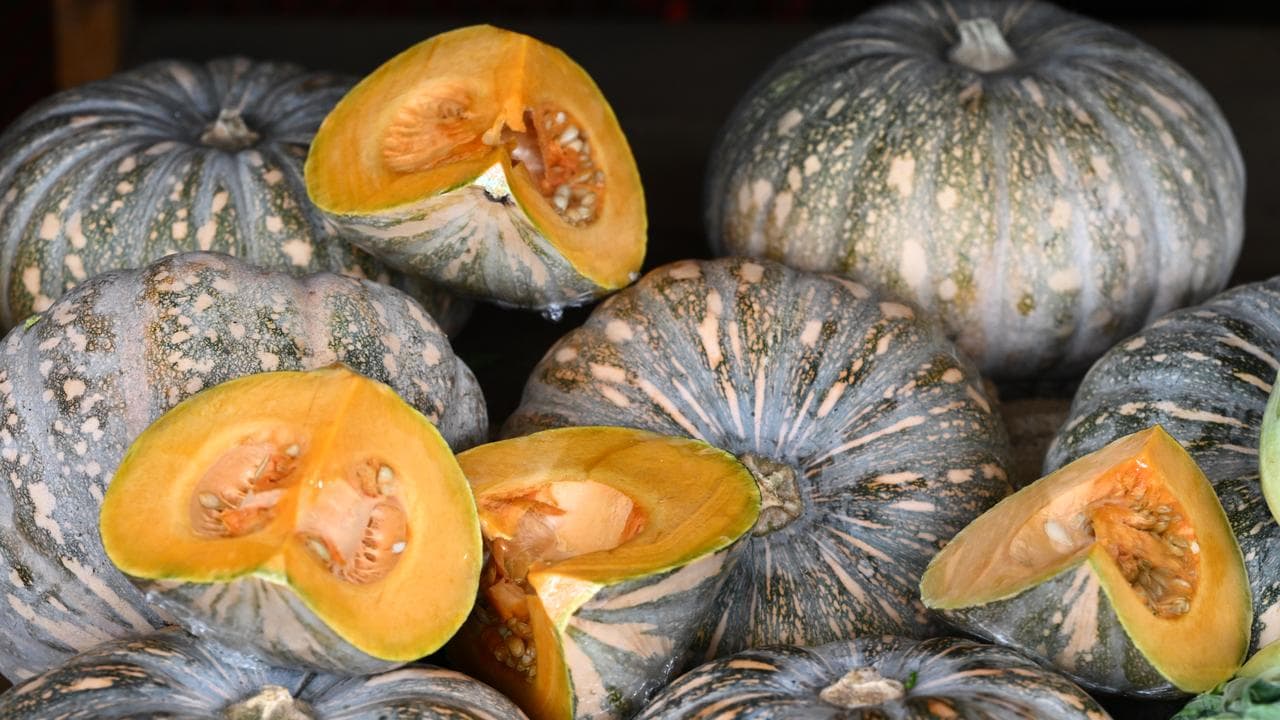
“Just because fruit has a cosmetic defect doesn’t mean it’s inedible,” according to Rowan Little from Victorian-based fresh produce grower Montague Farms.
“We’ve reached almost 100 per cent crop utilisation for our apples through secondary markets to cider and juices, and are looking at the same for plums.
“If we can unlock value in new markets and sell more from every crop, that’s good for growers and good for the whole supply chain.”
The research and trials will test what works under Australian conditions using data collected from participating farms.
Outputs are expected to include measurement tools and loss-reduction resources, grower training materials and case studies that set out what options work and what they cost.
The findings will be published in order to make resources easy for growers to find and apply.


