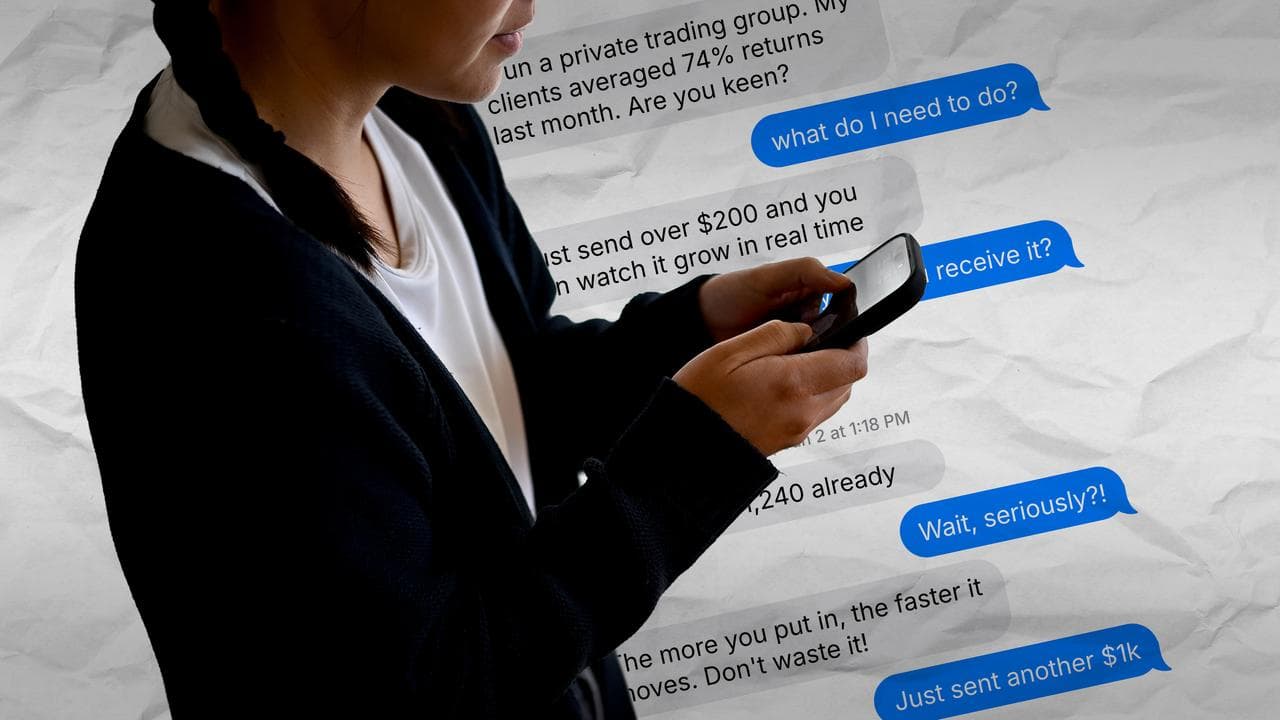
Aussies have lost hundreds of millions of dollars to scammers in 2026, with swindle tactics becoming trickier despite a drop in reported activity.
Cybercriminals have cheated Australians out of $186.9 million so far in 2026, down from almost $210 million at the same time in 2025, according to Scamwatch.
Total losses last year came to roughly $335 million.
Investment scams took the greatest toll, costing Australians almost $96 million between January and August, followed by romance scams ($17.7 million) and account takeover or identity theft ($16.5 million).
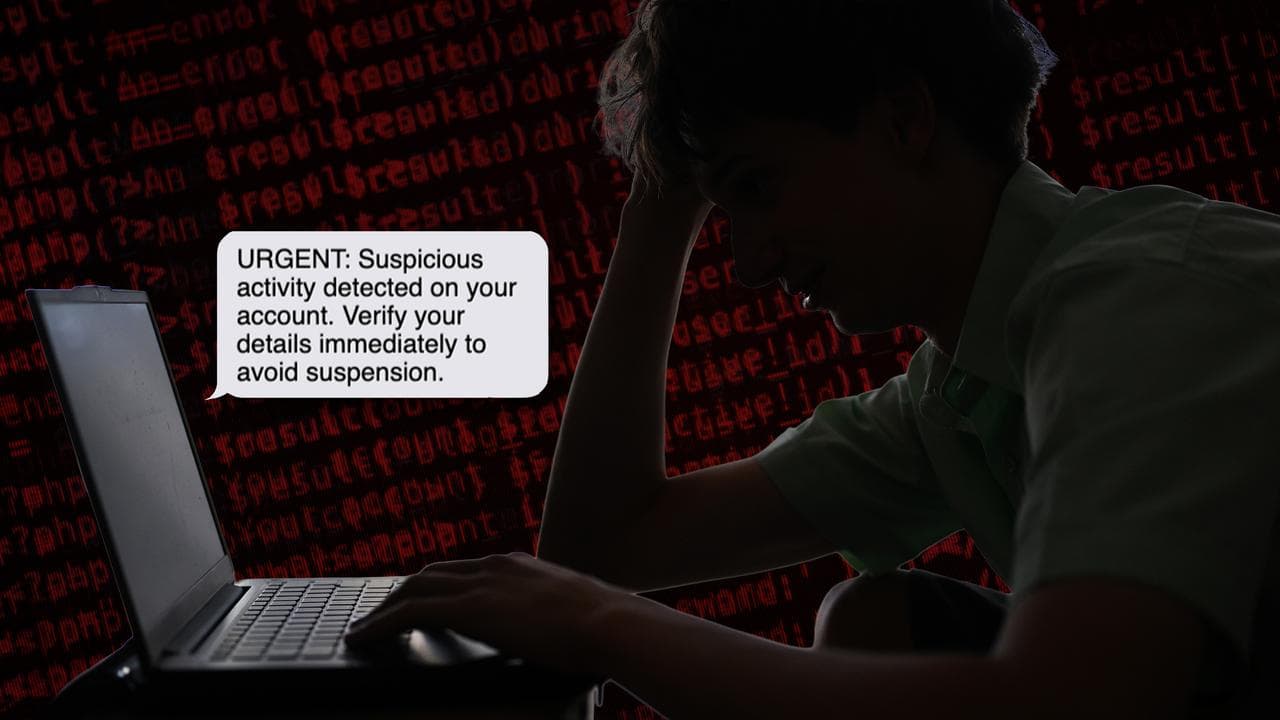
Investment scams were increasingly using artificial intelligence to create deepfake images and videos of trusted personalities to throw weight behind swindles.
It was crucial for people to do a "sniff test" of offers and information online, ANZ bank's cyber services lead Erica Hardinge said.
"It's really important that individuals go away and do their research themselves, and don't trust immediately what you see online," she told AAP.
"Does this feel too good to be true? Does this feel particularly unusual?"
When feeling pressured, it was crucial to step back and break the sense of urgency used by con artists to force decisions.

"Breaking of the emotional response that often comes with these requests is incredibly important," Ms Hardinge said.
People should also consider what they share online.
"Everything you put online is like a digital tattoo," Ms Hardinge said.
"It's very hard to remove it once it's out."
With the federal government's national Scams Prevention Framework due to take effect from March 2027, scam losses were heading in the right direction.
"We're seeing losses reducing, which we can really attribute to the uplift in investment that banks in particular — but industry and government as well — are putting into the systems and the technology to detect and prevent where possible," Ms Hardinge said.

Identification checks, which notified users of mismatches between account names and numbers, had been key to stopping dodgy transfers before they happened.
At the same time, scammers were becoming more advanced, sometimes building trust with victims for months before asking for money, and had even hacked legitimate websites to switch phone numbers ahead of invoice phishing grifts.
Younger and financially active Australians were increasingly being targeted, ING data has found.
Millennials and Gen Z were more likely to shop, invest, or manage side-hustles online.
However, more than half used single passwords across multiple sites, almost three in five used weak passwords, while a third didn't think carefully before clicking a link.

"Don't just assume that because you're digitally native or digitally active means that you're good at spotting a scam," ING consumer and market insights head Matt Bowen told AAP.
"Actually, you're more exposed than ever."
It was also important for victims not to feel embarrassed after being targeted by scammers.
"Don't be afraid to actually share when you've been tripped up by a scam - it's super prevalent," Mr Bowen said.
"The more we talk about it, the more prepared everyone can be."


