
Female general practitioners in Australia are earning less than male colleagues, with the pay gap driven by a rebate structure that favours shorter consultations.
An analysis of more than 500 general practitioners across metropolitan, regional and remote Australia by Ochre Health found female GPs earned 6.5 per cent less per consulting hour than males.
It found the primary driver was consultation lengths, with male GPs conducting shorter appointments, allowing them to see more patients per hour.
The current Medicare rebate structure favours shorter consultations, meaning a full-time male GP generates approximately $38,200 more in annual billings for the same consulting hours.

The analysis also found the gap was larger in regional areas, where female GPs were earning 10 per cent less per hour.
The finding were no surprise to Canberra GP Brenda Masters, who said the report underestimated the unbilled work conducted outside of consulting.
"It’s a very complex issue ... part of it is that patients are notoriously bad at estimating how long their appointment needs to be," Dr Masters told AAP.
"Society says women are more approachable and more understanding of certain types of problems ... my patients are choosing me (often) because they like talking to me.
"I don’t think the community values that aspect of the work we do as much as they do the practical work."
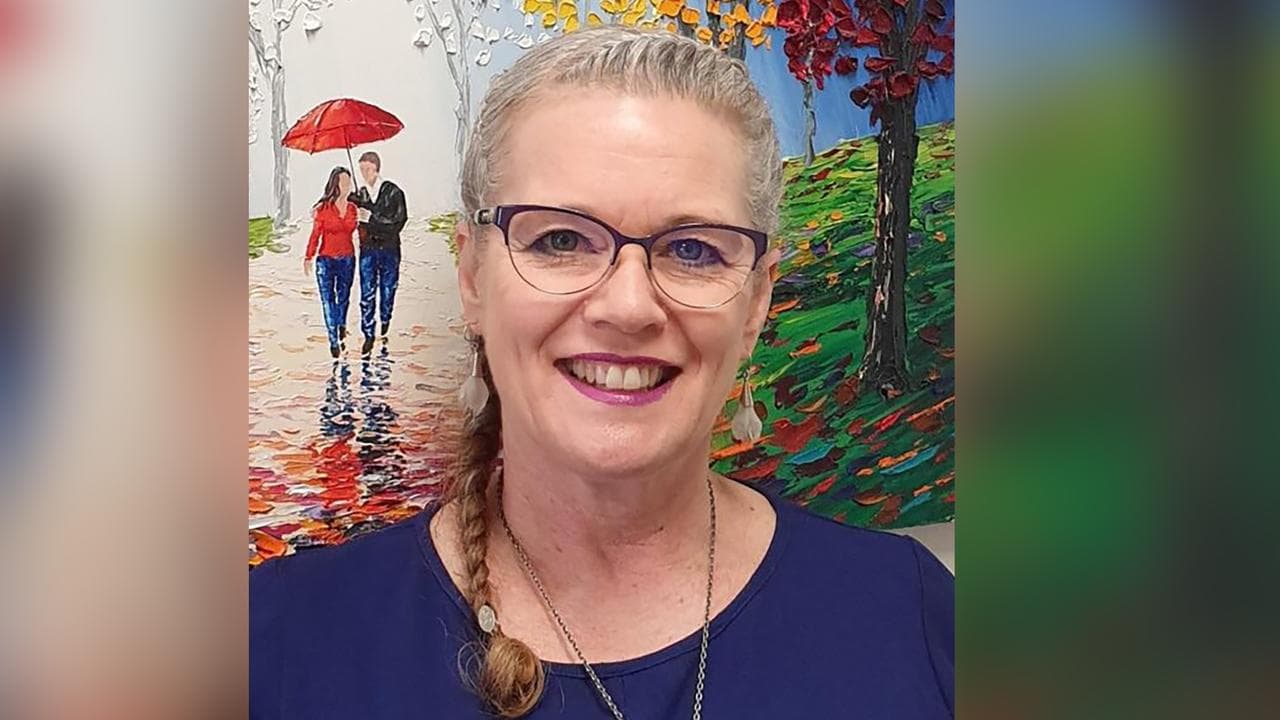
The way Medicare rebates were based on chunks of time was often not conducive to a patient who wanted to discuss multiple issues in one appointment, Dr Masters said.
"There are some doctors that are so transactional that they will spend the least amount of time they can and they won’t engage in multiple issues," she said.
"I don’t think I am paid badly, but for the time that I put in and the effort, you can’t help but compare yourself to your male colleagues."
Ochre Health chair Elizabeth Crouch said the report demonstrated the need to value the work of female GPs.
"This is an important issue for female GPs, many of whom are treating patient with complex conditions requiring longer consultations," she said.
"This is one of the first analyses that have been done in this space, but the issue is an important one and it needs to be further assessed and modelled at a government level."


