The discovery of H5 bird flu in Australia's inland should be sparking "alarm bells" among authorities, as cases continue to spread rapidly across the country.
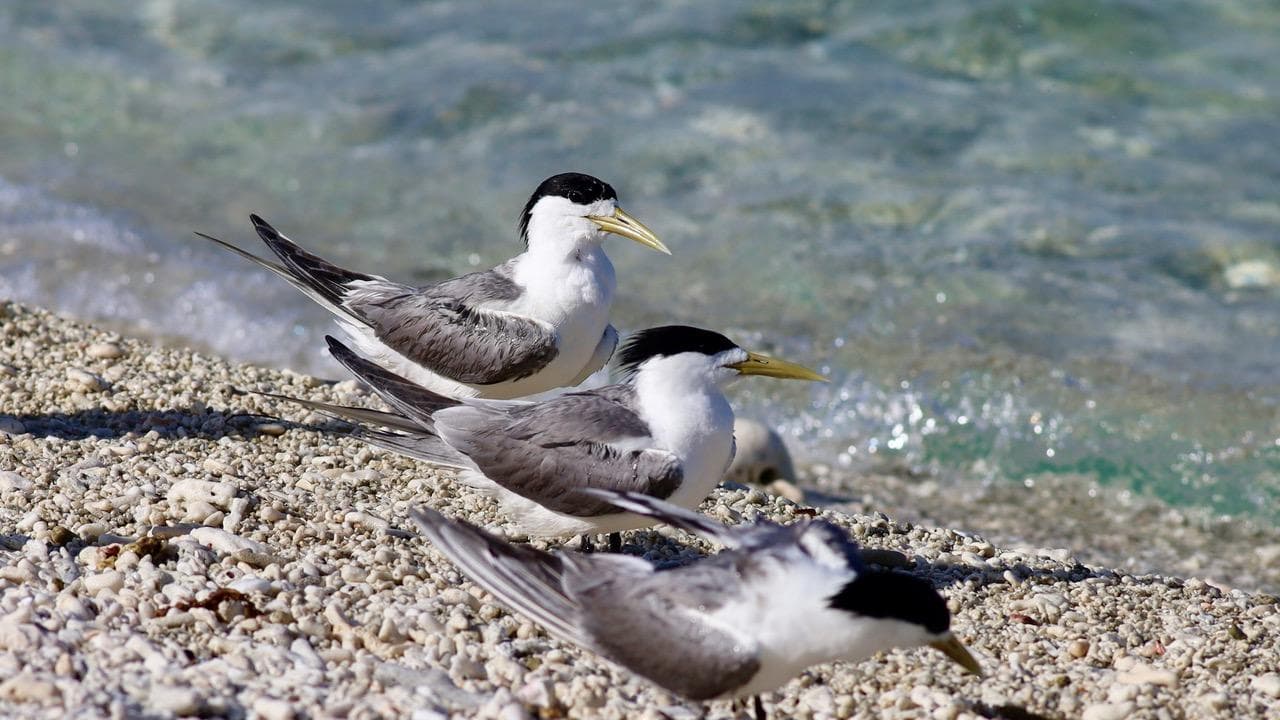
Two greater crested terns tested positive for the strain in New South Wales for the deadly strain, including one found near Wentworth in the far southwest, more than 500km from the coast.
The positive samples were reported by members of the public, and marked the first cases of H5 among an Australian native bird in the state.
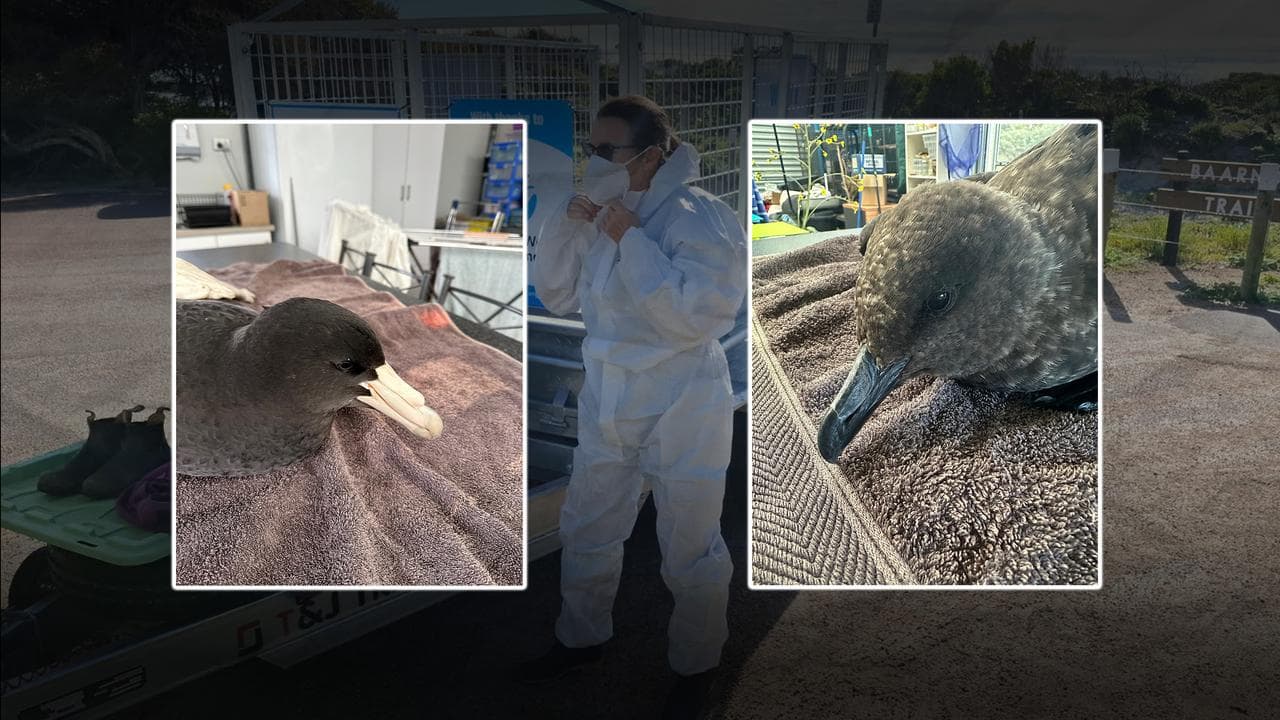
There have now been 215 confirmed or presumed positive detections, although the poultry industry so far remains clear of the virus.
"These positive cases are not unexpected. We have been preparing for a situation like this, and we remain well equipped to respond to manage further impacts," Environment Minister Penny Sharpe said.
Testing at CSIRO’s Australian Centre for Disease Preparedness confirmed on Saturday a further 10 detections, all from greater crested terns in Victoria's southwest and Melbourne.
There were 28 positive detections in SA among wild seabirds, mostly greater crested terns, with 15 of those on the state's Limestone Coast and 11 on Kangaroo Island, Australia's Chief Veterinary Officer Beth Cookson said.
The inland discovery in NSW marks a worrying development in the spread of the virus, Invasive Species Council chief executive Jack Gough said.
“The speed at which this bird flu is spreading to new species and new locations is alarming," he said.
"We now have it turning up for the first time in the Murray Darling Basin at Wentworth. That should be ringing alarm bells for governments because it suggests it could soon be spreading among inland bird colonies ahead of spring breeding season."

Birds in the Murray-Darling basin are already declining due to feral animals, insufficient water to critical wetlands and the loss of habitat, Mr Gough added.
"It is shocking that state and federal governments have known how deadly and contagious this disease would be and yet they have failed to properly invest in protection of wildlife at a scale appropriate to the level of threat," he said.
Bird flu is yet to be detected in poultry or in the agricultural production systems.
Producers however told authorities on Friday they were concerned by the speed at which the virus has travelled, Victorian Chief Veterinary Officer Graeme Cooke said.
"Their concern is that it had reached further east than previously, and that it was moving at the speed which has not happened much in South Australia," he told reporters.
The Victorian government on Friday moved to impose “proactive, precautionary measure” that will see producers forced to keep poultry temporarily housed in higher-risk areas.
The decision was made after a meeting with industry representatives who voiced support.


