Changes to strengthen Australia’s carbon credit scheme will “send chills through the market,” an inquiry has been told, and new powers to intervene in questionable projects should only be used as a last resort.
But academics and environmental groups said the proposed reforms did not go far enough to address flaws in the program, including revegetation projects they likened to trying to regrow “forests on the moon”.
Regulators, landholders and government representatives raised concerns at a Senate inquiry on Friday examining changes to Australia’s carbon credit scheme that were proposed in August.
Australian Carbon Credit Units, which each represent one tonne of carbon dioxide equivalent avoided or removed from the atmosphere, are purchased by businesses and governments to help meet climate targets.

Changes to the scheme would allow the environment minister to stop projects earning carbon credits using flawed methods, give the Clean Energy Regulator greater enforcement powers, and tighten eligibility and auditing checks.
But Emissions Reduction Assurance Committee chair Karen Hussey said the ministerial powers could undermine business confidence, particularly if they were weaponised against certain projects.
“The very existence of this power will send chills through the market, which is understandable but regrettable,” she said.
“It is my very strong view that should the method transition declaration be in place, it needs to be very carefully handled as being… a last resort.”
The committee would support the reforms but said it regularly reviewed methods used to generate carbon credits.
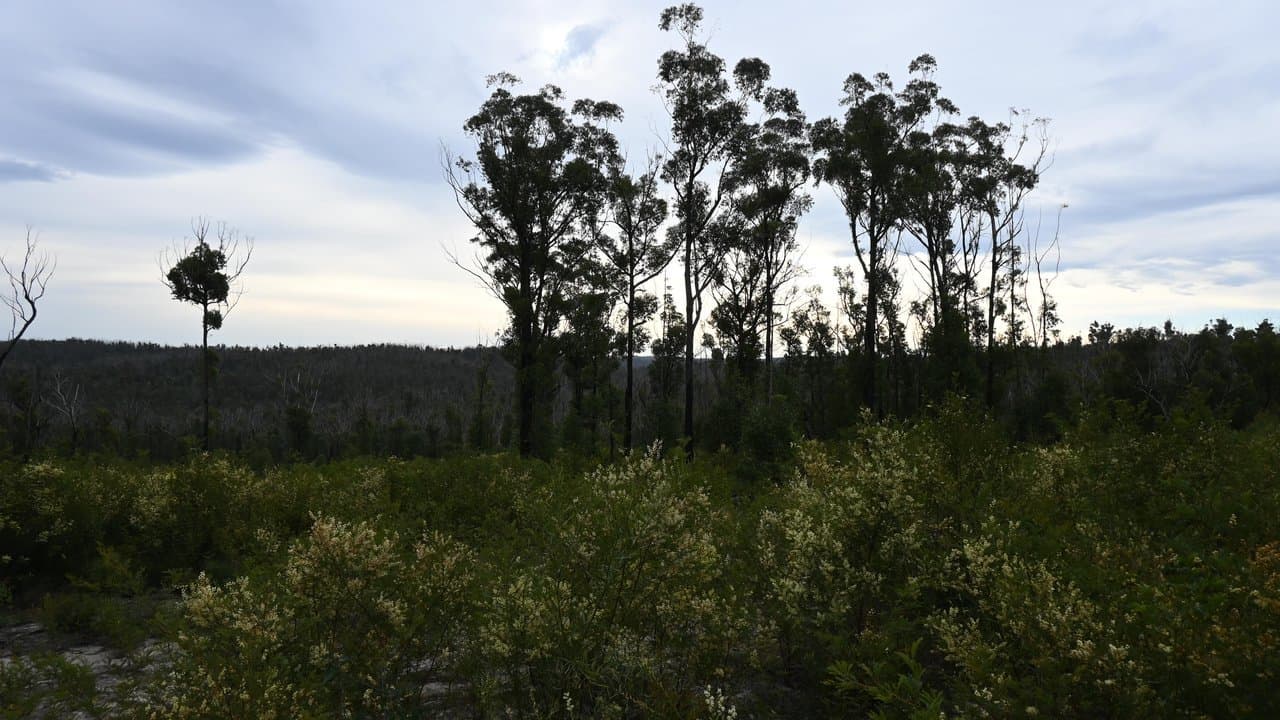
Academic researchers criticised the scheme and proposed changes, however, singling out three revegetation projects they said had shown little sign of progress.
Land used in some carbon credit projects was incapable of meeting forestry growth targets, Australian National University Centre for Environmental Markets director Andrew Macintosh said, even though they had generated credits.
“It’s the equivalent of saying ‘we’re trying to regrow forests on the moon,’ that’s how silly this is,” he said.
“Why should we make a new method that accommodates these projects when they’re trying to do the impossible and being credited for the impossible?”
Environment groups including The Wilderness Society, Climate Integrity and the Australian Conservation Foundation also opposed the reforms, with foundation chief executive Adam Bandt calling carbon credits “an accounting trick”.
But the 2022 Chubb Review found Australia’s carbon credit scheme was essentially sound, Clean Energy Regulator spokesman Dean Smeulders said, and claims like those about revegetation projects had been reviewed.
“We assess the performance of the projects and, in simple terms, if the trees don’t grow, the credits are not issued and the credits don’t flow,” he said.
“Of course, science may be contested and there may be differing views based on policy or values.”
The inquiry is expected to issue a final report on November 24.


