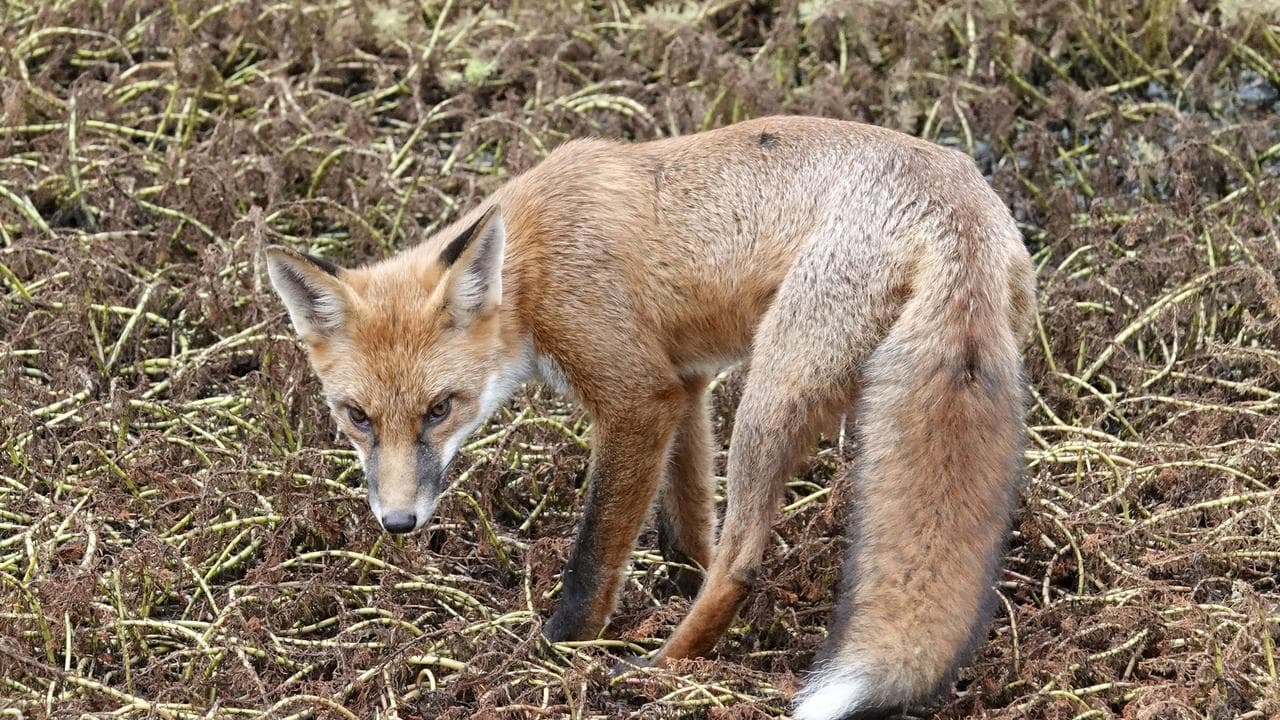
A national strategy to control feral foxes is being overhauled for the first time in almost 20 years amid concerns the pest could spread bird flu across the country.
Wildlife management consultant David Farlam said with foxes now spread right through the centre of Australia, they could become vectors for the deadly virus threatening native wildlife species like the bilby, rock-wallaby and bandicoot.
"If that gets into animals like foxes, then that may be a good thing to reduce fox numbers. But it also could spread the virus to other species," he said.

The draft Threat Abatement Plan put forward for public consultation this week will replace a 2008 strategy to co-ordinate Australia's response to key threats that red foxes have on native fauna.
Rewilding Manager at Invasive Species Council Rob Brewster said the report couldn't have come at a better time after a detection of the cirus was found in a red fox in Adelaide's north last month.
However, he said funding shortfalls experienced since the last plan was tabled could render efforts to control population numbers ineffective.
"Over the past 18 years what we’ve seen fox management funding is on again, off again, stop and start. There's funding cliffs where you've got to shovel that money out the door by the end of the financial year. Then there’s no funds left to monitor outcomes," he said.
"The new strategy is very good. It's had a lot of input from people who really understand foxes and the impact in Australia, however it's going to have to be backed up by all of the funding that is mentioned in the report."
According to the draft abatement plan, current cost of fox management in use for conservation purposes is $5-7 million a year, well short of the $37 million-a-year strategy proposed in the report.
Mr Brewster said while Australia lacked the technology to fully eradicate the animal, new gene drive technology could be among the most effective and humane ways of controlling the population.
The approach looks at editing the genes of a female fox to ensure she would only give birth to males.
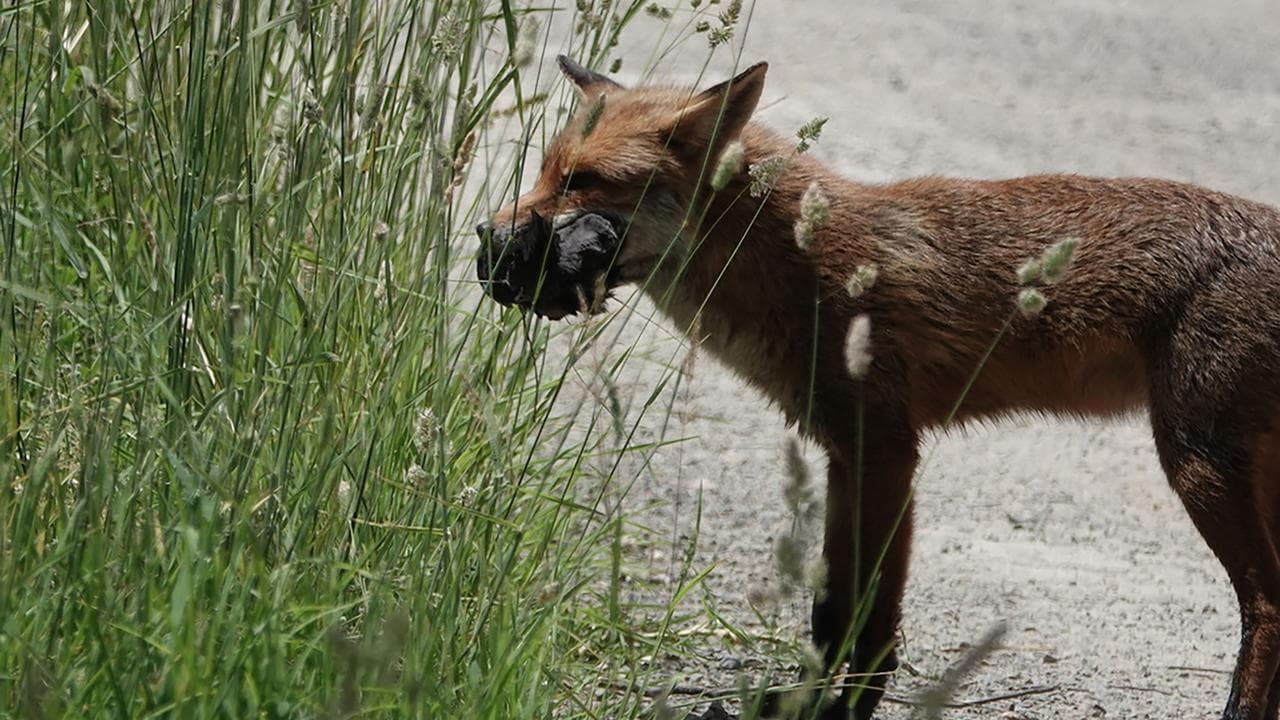
The male offspring could then drive the gene through to the next generation of foxes.
"Essentially the population would collapse in on itself at some point in time," Mr Brewster said.
““(The plan) doesn’t outline the cost of those novel strategy developments and I would like to see that in this plan.”
The latest population estimates in 2022 put the total population of red foxes at 1.7 million, and while most foxes stay in temperate, semi-urban areas, some have been reported to travel up to 300km at a time.
They have contributed to the extinction of at least 20 of the 37 Australian mammal species since their arrival in 1870 and continue to threaten up to 60 bird, mammal and reptile species today.
Submissions to the draft Threat Abatement plan close January 29, 2027.


