The French National Assembly has voted in favour of banning social media for children under 15.
President Emmanuel Macron is urging France to follow Australia, whose world-first ban for under-16s on social media platforms including Facebook, Snapchat , TikTok and YouTube came into force in December.
Lawmakers in Paris adopted the draft legislation late on Monday. The bill stipulates that access to an online social-networking service provided by an online platform would be prohibited for minors under 15.
The legislation still needs approval by the Senate, the French parliament's upper house.
The wording adopted by the lower house does not specify which social media platforms would be covered by the ban.
It does, however, make clear that "online encyclopedias" as well as "educational or scientific directories" would be exempt. Private messaging services would also not be affected.
The original version of the bill debated by lawmakers was less far-reaching. It would have allowed minors to continue using certain platforms with parental consent. That provision has now been dropped.
The legislation was backed in the National Assembly, mainly by lawmakers from Macron's camp.
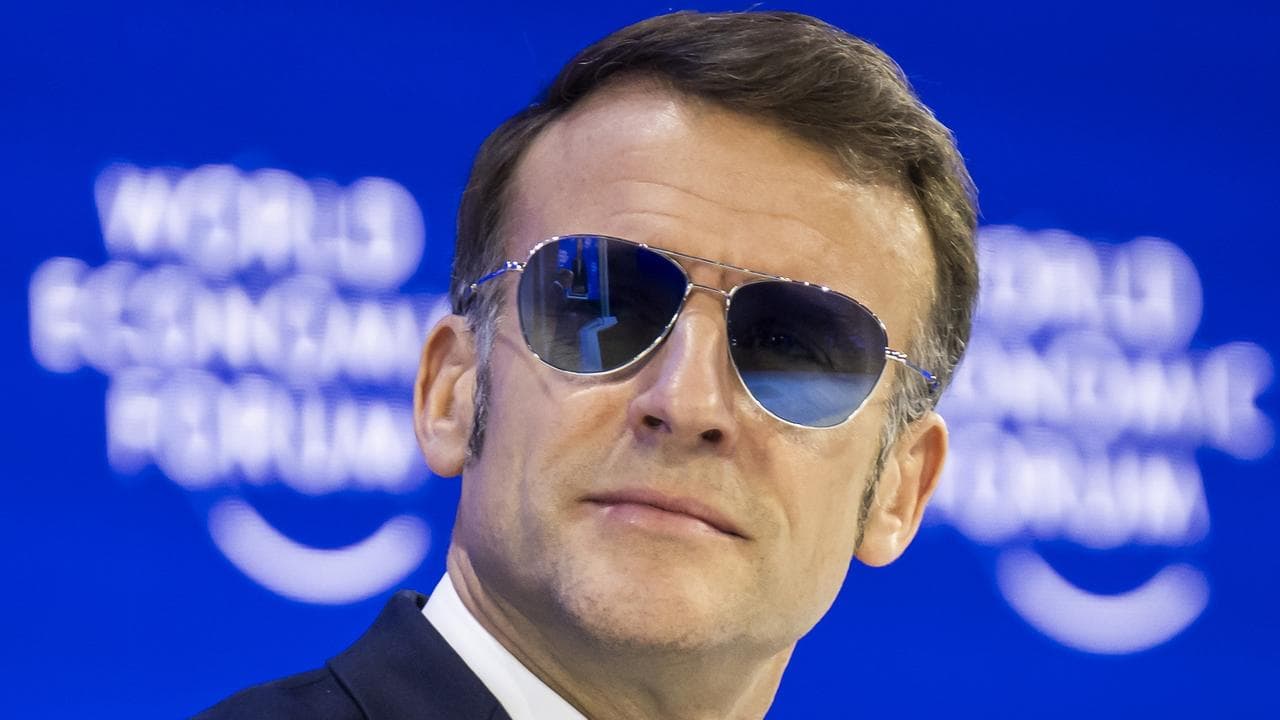
Following the vote, Macron wrote on social media platform X: "This is what scientists recommend and what the French are overwhelmingly calling for."
Macron said he wanted the measure to take effect by the next academic school year.
"From September 1, our children and young people will finally be protected. I will see to that," he wrote.
France had already attempted several years ago to introduce a minimum age of 15 for teenagers to create their own social-media accounts without parental consent.
Australia's social media ban is being studied in countries including Britain, Denmark, Spain and Greece.
The European Parliament has called for the European Union to set minimum ages for children to access social media, although it is up to member states to impose age limits.
The French legislation also extends an existing ban on smartphones in junior and middle schools to cover high schools.
However, the law could not be enforced due to European Union legislation. Whether the new rules comply with current EU law remains to be seen.
The European Parliament has called for the European Union to set minimum ages for children to access social media, although it is up to member states to impose age limits.
with Reuters


