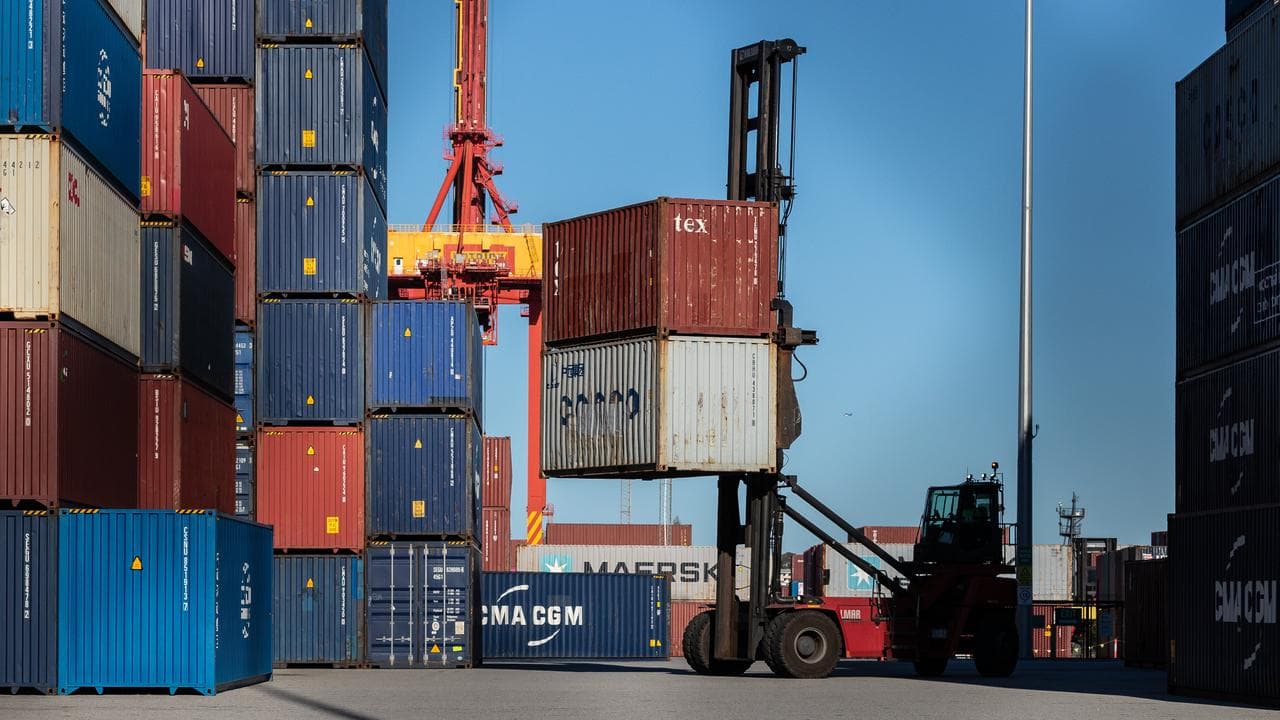
One of Australia’s largest ports will use electric trucks in its operations and consider further investments after a $7 million trial found the vehicles cut both operating costs and greenhouse gas emissions.
Patrick Terminals released the results of its trial on Tuesday after replacing half of the diesel truck fleet at its Fremantle terminal in Western Australia, instead using nine electric terminal tractors in its round-the-clock business.
The results could help other major freight companies electrify their operations, according to the Australian Renewable Energy Agency, which contributed $2.5 million towards the trial.
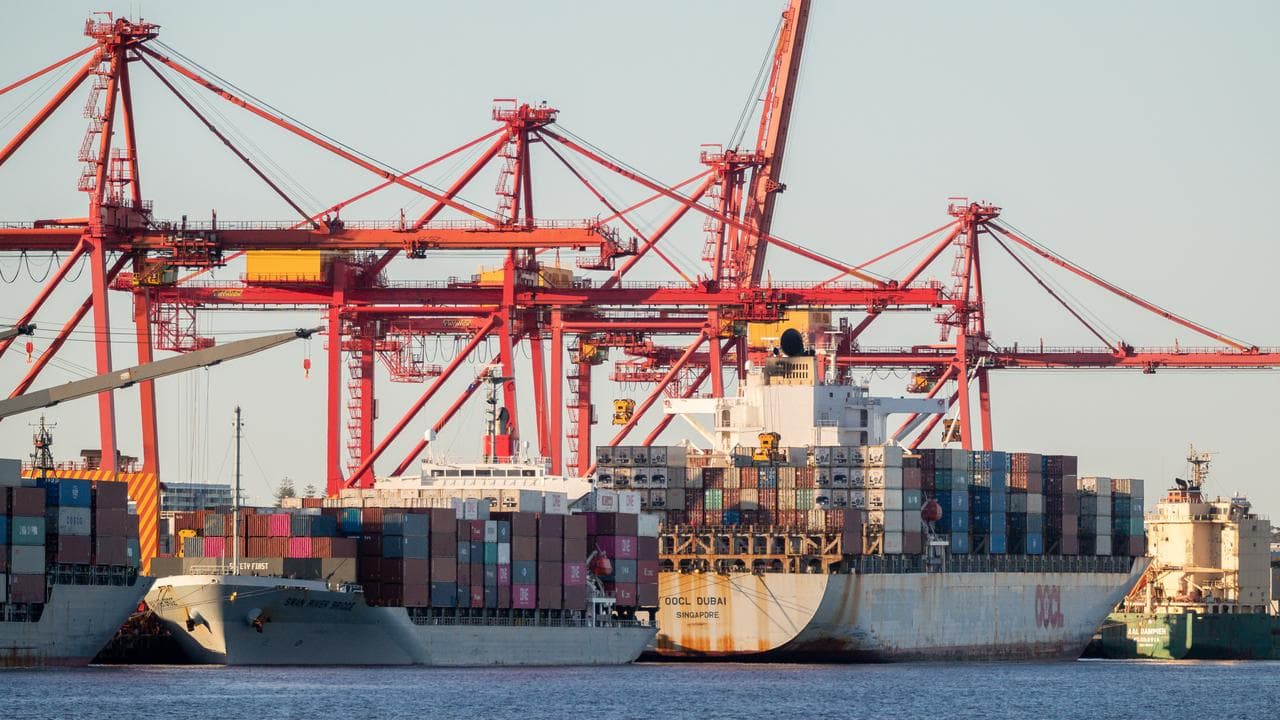
The announcement comes after several Australian firms added heavy-duty electric vehicles to their fleets, including Unilever, Linfox and Woolworths, and days after Volvo launched the first locally made electric prime movers.
Patrick Terminals invested in nine heavy-duty electric trucks to move containers around its Fremantle port in an effort to cut emissions, terminal manager Peter Chesi said, replacing eight diesel vehicles.
The additional vehicle was designed for redundancy, he said, but the trial found the trucks could haul up to 65 tonnes and recharge to 80 per cent in less than an hour.
The battery-powered vehicles also cut scope-one emissions at the facility by 15 per cent and cost significantly less to power and maintain.
“We’re in the order of a 60 per cent reduction across energy, somewhat offset by the price of electricity in WA and the diesel rebate,” Mr Chesi told AAP.
“From the maintenance perspective, we’re looking at a 30 per cent reduction in costs."
The Terberg trucks had also proven popular with drivers as they were both quieter and smoother to operate, he said, and the company would continue to use them.
“We’re still in the discovery phase but it’s very promising and we’re happy with the progress we’ve made,” he said.
“The signs are good, although no decisions have been made to purchase additional (vehicles) at this point.”
Results from the trial could encourage other freight operators to invest in large electric vehicles, ARENA transport general manager Alex Grant said, given the significant potential cost savings.
“Ports are one of the greatest testbeds we have for proving out what you can do in the freight and logistics sector,” he said.
“It’s a really instructive case study for Australia’s other ports about how (they) could go about starting their (decarbonisation) journey.”
The findings could also give freight firms confidence to move away from fossil fuels, Mr Grant said, given recent global price pressures.
“When you think about the volatility we’ve seen this year in using fossil fuel for operations, it’s given a lot of operators food for thought on their long-term strategy,” he said.
“We want to see more groups pushing the envelope.”


