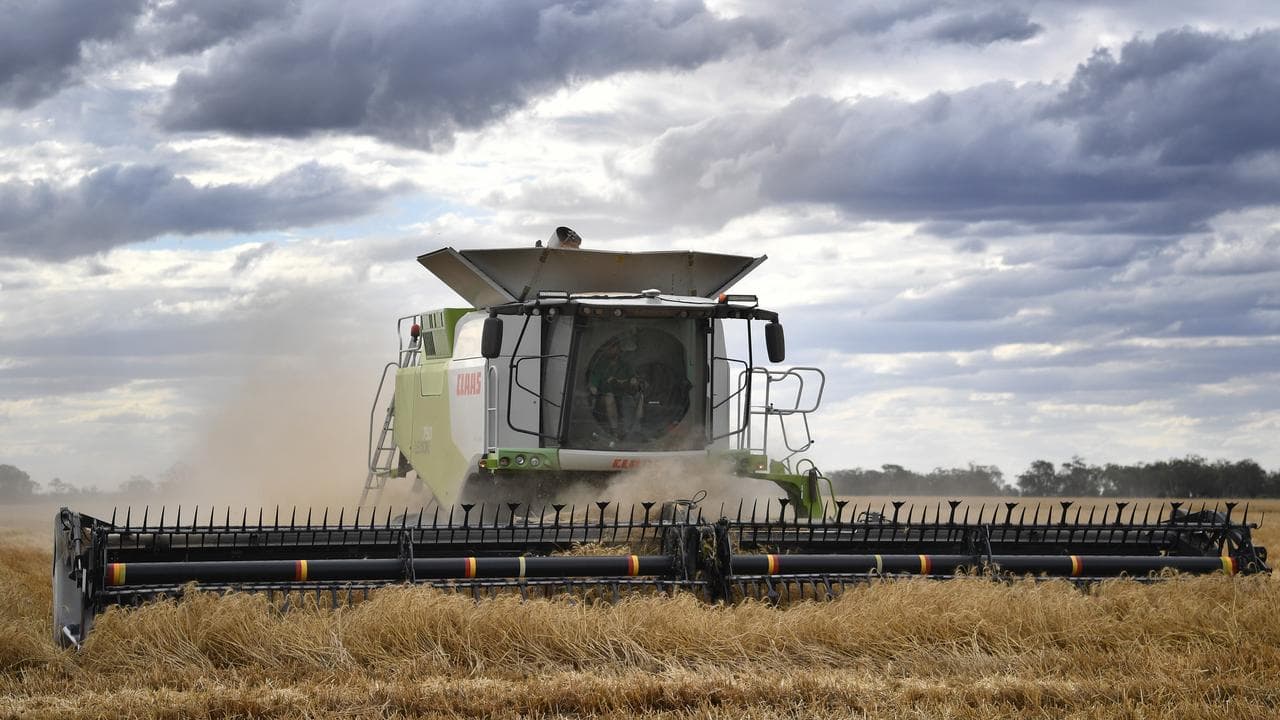
Australia’s regional and rural businesses will face a triple threat from fuel, fertiliser and interest rate changes over the coming months, but can fight back with investments in renewable energy and artificial intelligence.
NAB issued the advice with its Regional and Agribusiness Horizons Report on Wednesday, which found agricultural businesses had enjoyed strong returns and growing international trade in 2025 despite challenges.
But the major bank warned some regional businesses were better prepared for disruption than others, and many might need to consider cash flow and trading relationships to maintain their operations.
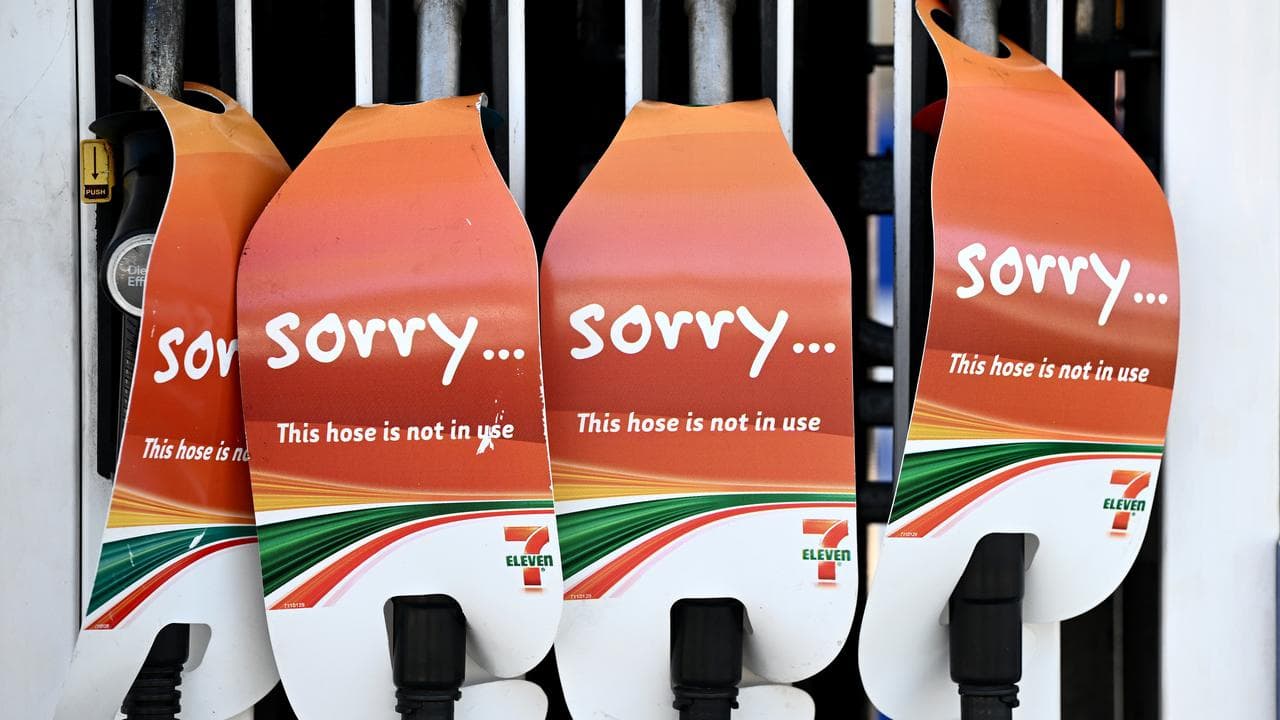
The warnings came after global supply issues for diesel, petrol and fertilisers caused by conflict in the Middle East, as well as predictions the Reserve Bank would raise interest rates again in May.
The NAB’s fifth annual agribusiness report found agricultural production was on track to reach $100 billion this financial year - four years ahead of its target - and winter crop production was up by 10 per cent.
International trade rose by 12 per cent during 2025, driven by farming and mining operations, despite uncertainty over tariffs.
Regional businesses also took our more loans, with borrowing up 6.8 per cent, and investments being made in solar power (up by 32 per cent) and automated machinery (up 8.7 per cent).
The strong results would help businesses weather incoming challenges, NAB regional and agribusiness executive Khan Horne said.
“Regional businesses are coming off a strong period but conditions have become more challenging,” he said.
“Rising interest rates, persistent inflation and disruptions to fuel and fertiliser supply mean planning ahead and acting early (have) never been more important.”
International shortages of diesel and urea would hit regional businesses particularly hard, Mr Horne said, as both were critical to many organisations and largely imported to Australia.
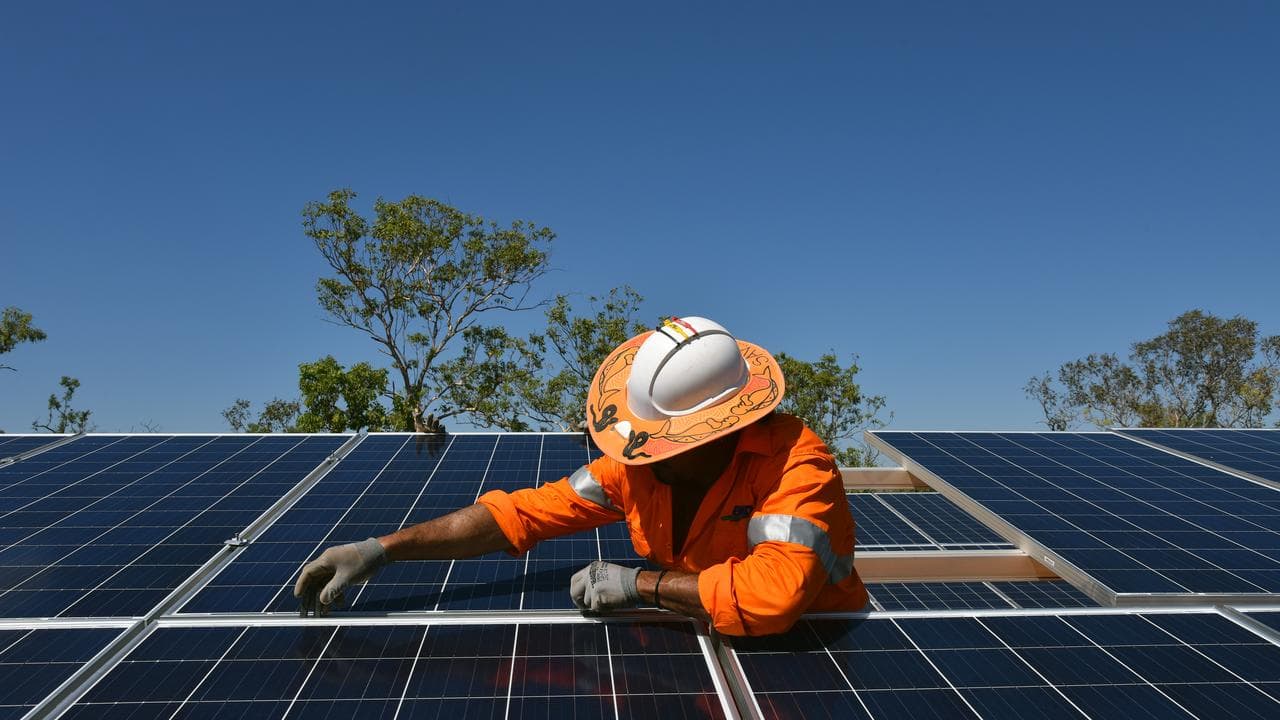
More regional businesses were investigating solar batteries and electric vehicles, such as forklifts, to protect themselves from fuel and energy volatility, he said, as well as AI-powered machinery and remote-monitoring applications to increase productivity.
“Some people are prepared, some people are well prepared, some people are going, ‘OK, this is a new quarter, a new dynamic, what are the actions I can implement to get through it?’” he told AAP.
“There’s definitely businesses that will have to be watching their bottom line and cash flow.”
Demand for Australian grain, beef and lamb was expected to remain strong over the next six months, the report found, although unpredictable weather conditions could change its outlook.


