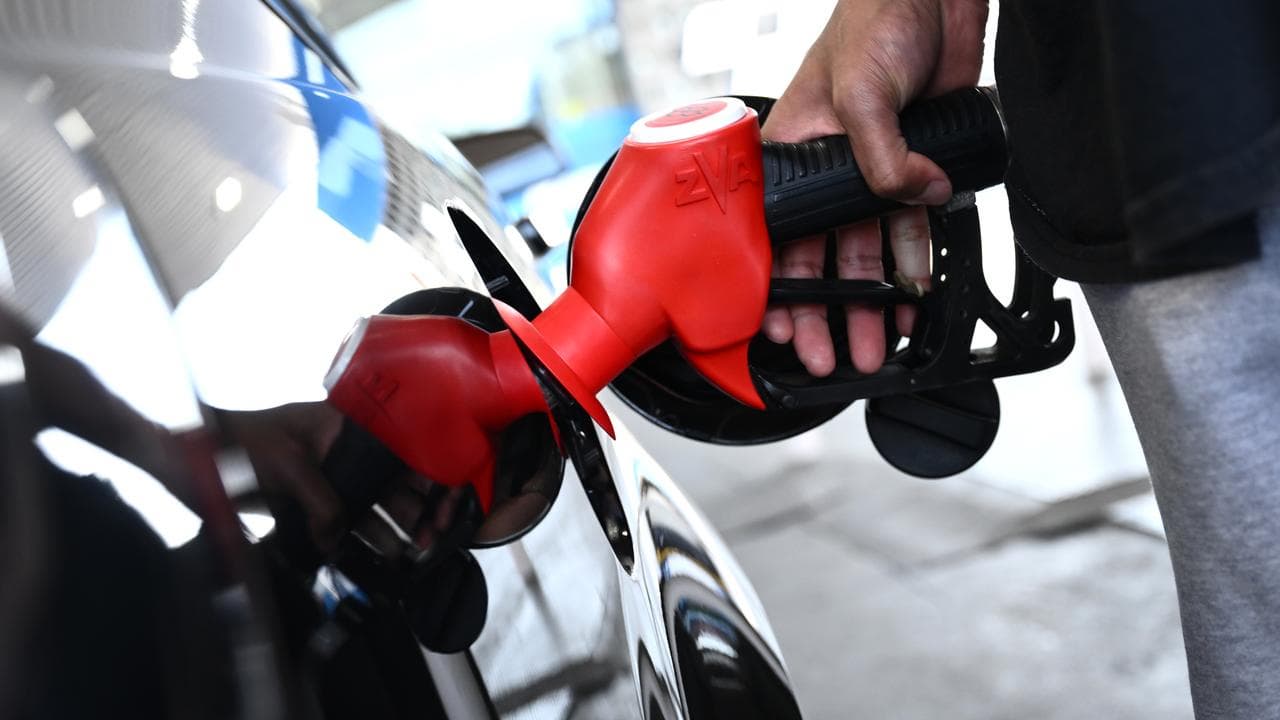
Australian motorists are in for higher prices at the bowser when temporary tax relief measures wrap up at the end of the month.
A fuel excise cut and GST rebate designed to ease surging costs for motorists amid the conflict in Iran are both set to expire on June 30.
Plans to repeal the 32 cent per litre tax break haven't changed, Energy Minister Chris Bowen told media on Saturday but added that the government would continue to assess the latest information.
"We've been very clear this was a temporary reduction in the excise; it was always intended to be temporary," he said.
"Our intention has been for it to come off at the end of the month and that remains the plan."
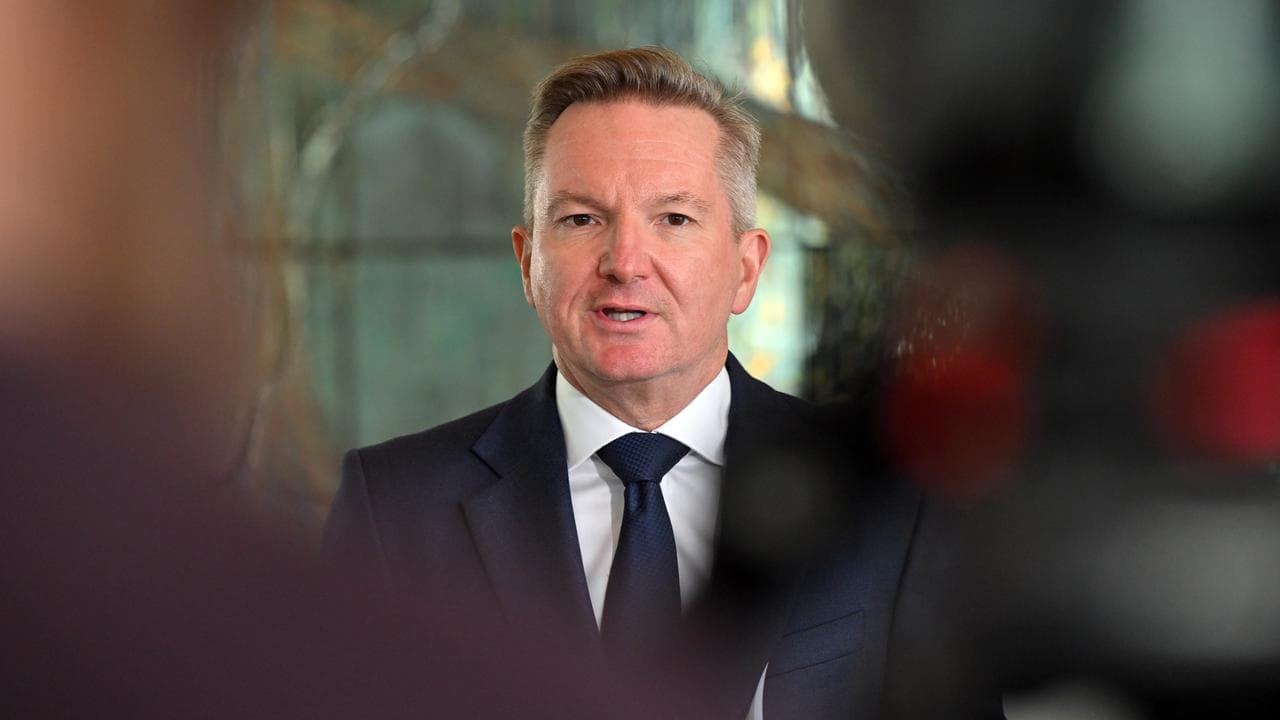
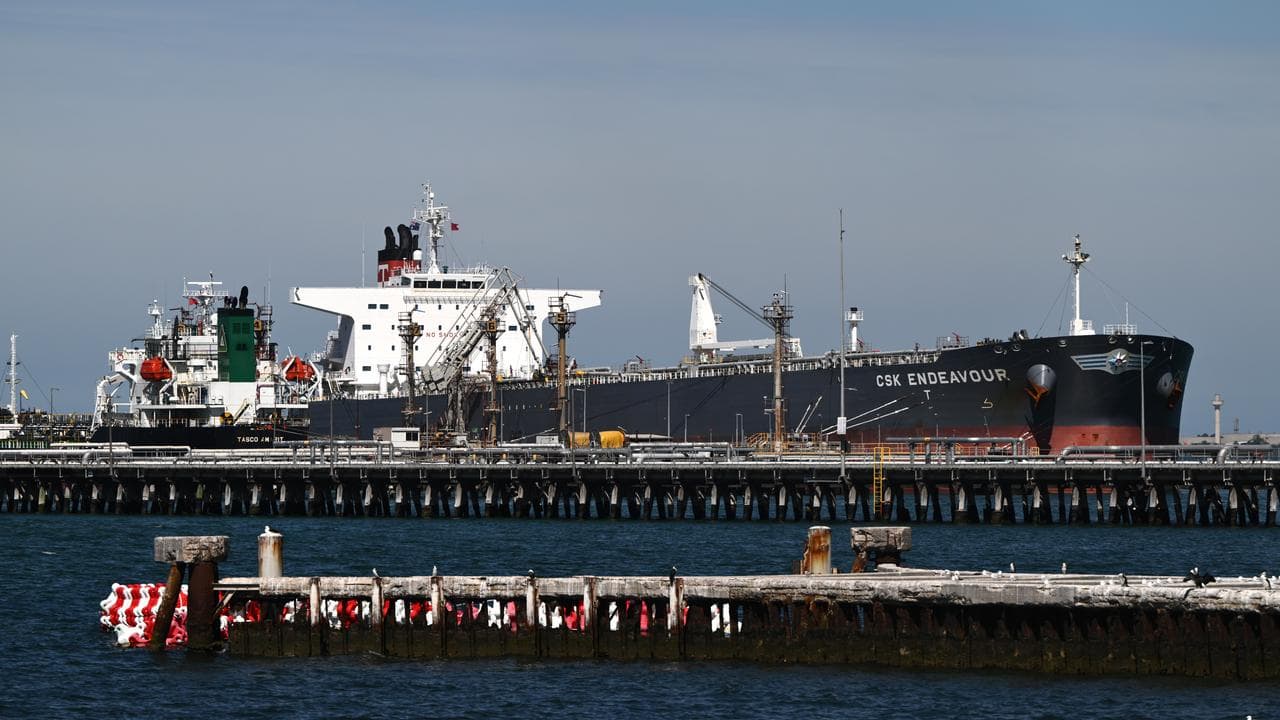
Mr Bowen added that Australia's fuel supplies were at their highest level in years with 54 ships also on their way and 3.5 billion litres of fuel deliveries locked in over the coming four weeks.
"(We) will continue to work in the face of the international uncertainty and the ongoing war in Iran to ensure we have as much fuel in Australia as we possibly can," he said.
US President Donald Trump is touting an imminent peace deal with Iran, although fighting in the Middle East continues and officials in Tehran are more circumspect.
Mr Trump's announcement that the agreement to end the war is "just about done" has sent global oil prices plunging but analysts agree that even if a deal is reached, the impact on Australian petrol and diesel prices will be minimal.
While fuel prices spiked in the immediate aftermath of American and Israeli strikes on Iran, in most states and territories they are now lower than before the war, mainly because of a halving of the fuel excise.
If an end to hostilities was announced in the next few weeks, oil prices would likely trend down gradually, AMP chief economist Shane Oliver told AAP.
"If oil prices stay where they are now and the fuel tax cuts are reversed, then you'd be adding at least 32 cents a litre to petrol prices," he said.
"But we'll probably still end up a little bit above where we were before the war because the oil price will take a while to get back to normal levels and there'll still be a bit of a risk premium priced in (because of) worries it will flare up again."
Mr Trump has repeatedly said he is close to ending the war since the conflict began in February but is yet to achieve a permanent ceasefire.
Iran has recently announced a full closure of the Strait of Hormuz, which in peacetime carries roughly a fifth of the world's oil supplies.
NRMA spokesman Peter Khoury is treating the president's comments sceptically, saying they mean nothing until peace is signed, sealed and delivered.
"Until ... the strait is reopened and we start to see tanker traffic flowing, it's unlikely to mean much to the Australian motorist," he told AAP.


