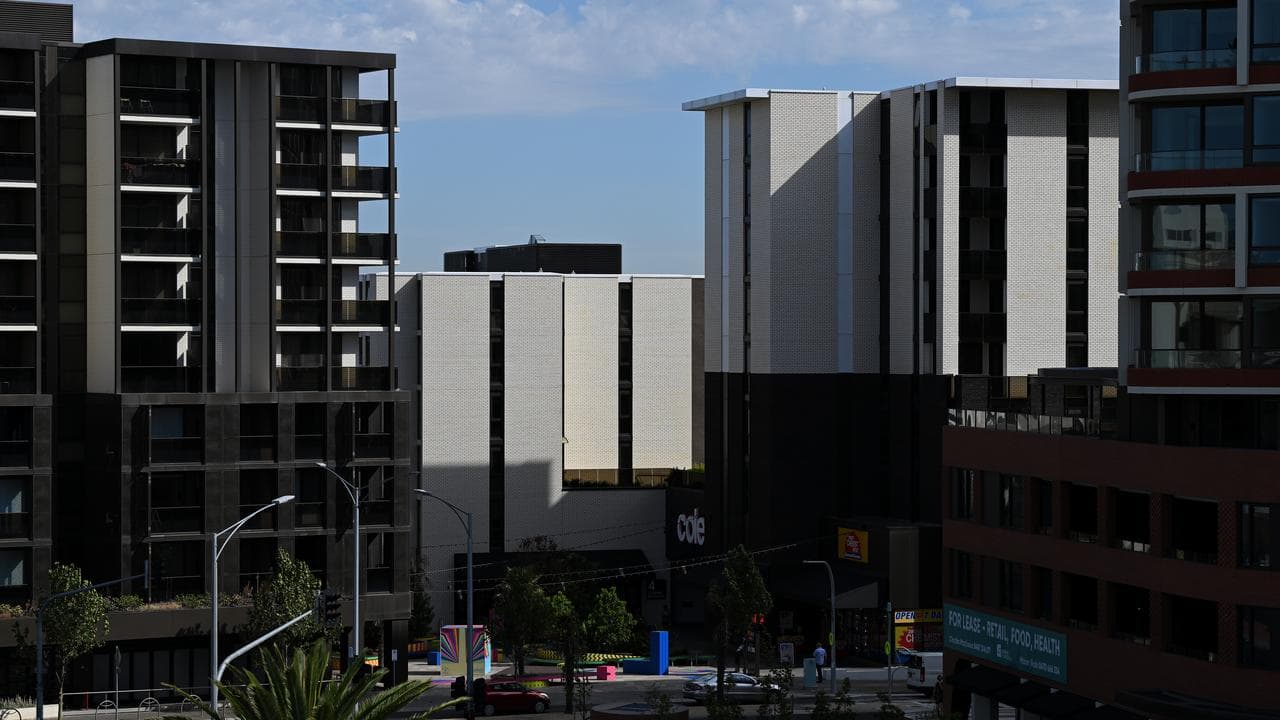
High-rise developments up to 20 storeys tall could be built in more ritzy city suburbs, but the door has been left ajar to adjust planned height limits.
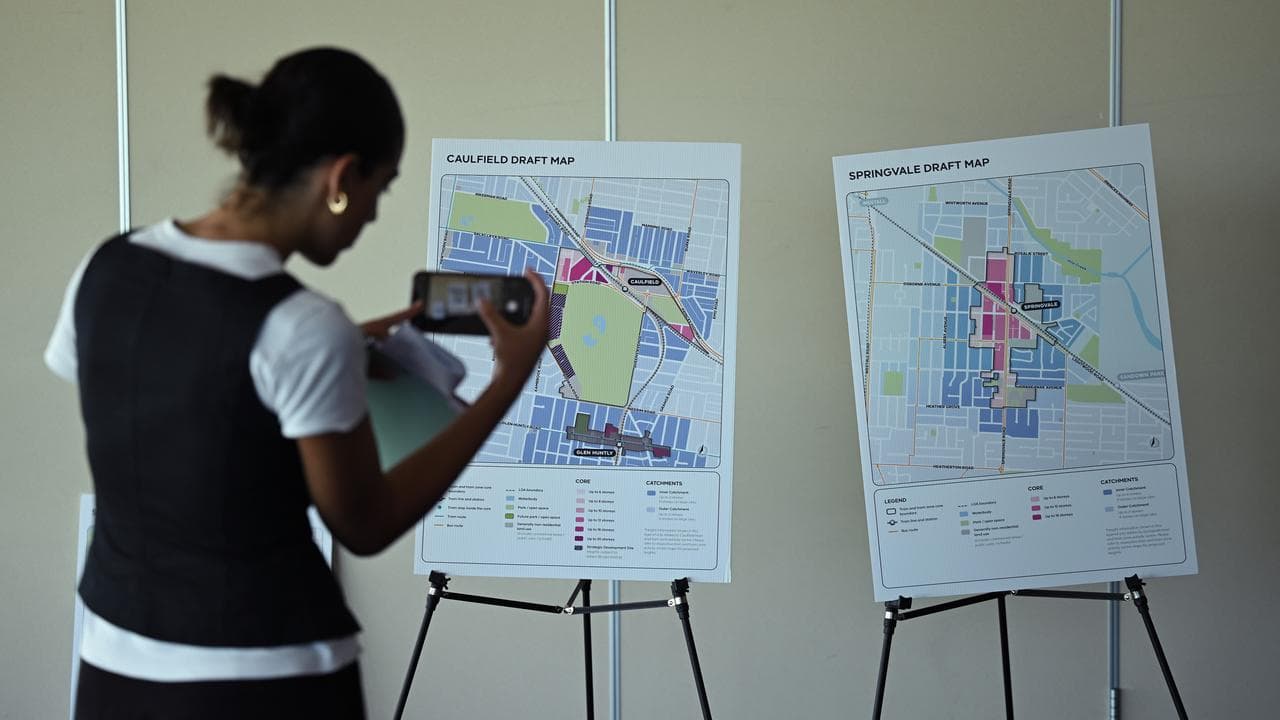
Draft maps showing proposed heights and boundaries for Melbourne's remaining 23 "activity centres" were released by the Victorian government on Wednesday.
Under the plan to build 300,000 homes in areas close to train and tram links by 2051, Caulfield in the city's southeast has a maximum building height limit of 20 storeys in its "core" precinct.
Nearby suburbs of Prahran, South Yarra, Windsor and Malvern could have buildings with up to 16 floors, with height limits decreasing the further buildings are away from the centre.
People were being "locked out" of transport-connected areas and outer suburbs shouldering too much of Melbourne's growth load, Planning Minister Sonya Kilkenny said.
"This is all about making Melbourne fairer for Victorians," she told reporters at Caulfield Racecourse.
The draft plans will go through community consultation until March 22, with Ms Kilkenny noting proposed heights and boundaries for 10 pilot hubs were ultimately changed.
"That was in direct response to local engagement and feedback from local residents," she said.
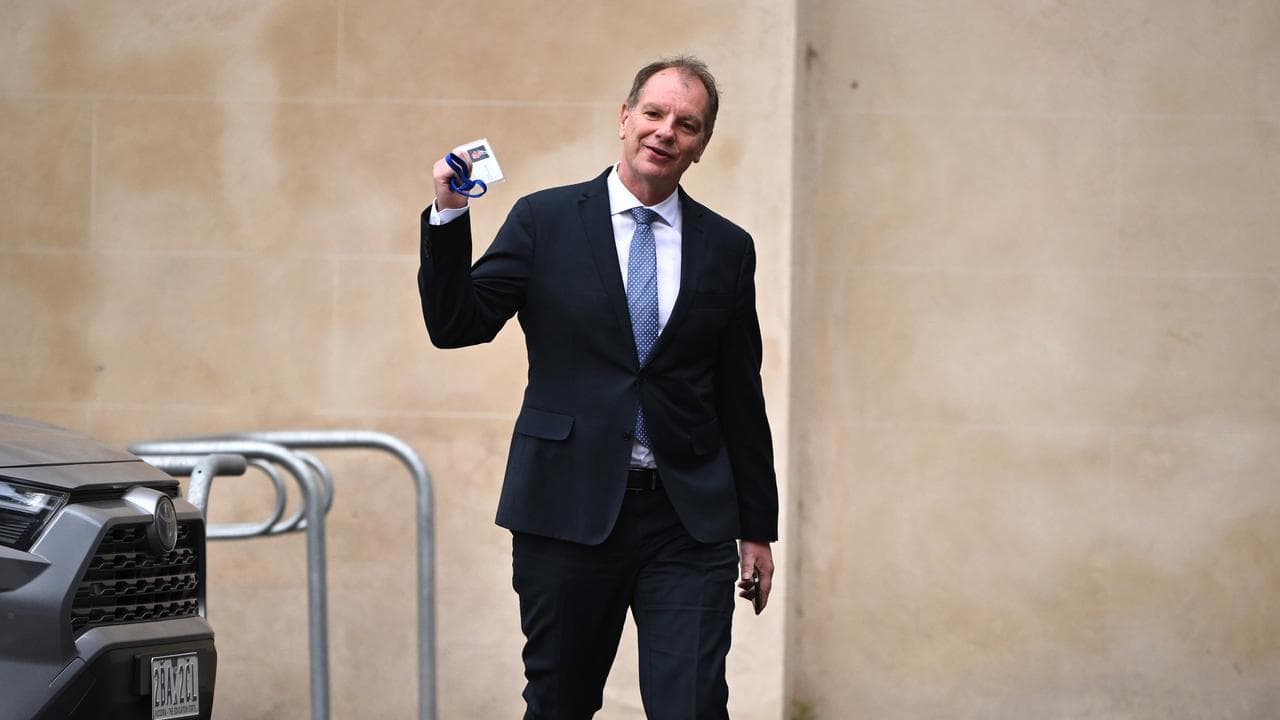
Deputy Victorian Liberal leader David Southwick, who represents the state seat of Caulfield, questioned whether local infrastructure could cope with a sharp influx of residents and if the high-rise apartments would be affordable.
"The government is playing a game of Monopoly and dropping these towers without connecting them up to communities," he told AAP.
"A one or two-bedroom apartment, on the numbers, would cost circa $1 million-plus.
"If we really want to tackle housing affordability and home ownership for young people, putting sky towers in Brighton, Toorak, Malvern or Caulfield is not going to be that housing solution."
The draft plans showed a "promising vision" for housing where people want to live, but minimum lot size rules could leave new homes on the drawing board, YIMBY Melbourne warned.
"The 1000-square-metre minimum lot size is the exact rule a legacy planner would create if they didn’t want to see a lot of homes actually get built," the group's lead organiser Jonathan O'Brien said.
"And it ignores Melbourne's long history of building tall, thin, beautiful buildings."
The Victorian Labor government set a target in 2023 to build 800,000 homes over the next decade, equating to 80,000 a year.
Analysis of Australian Bureau of Statistics data shows the state approved 55,196 new dwellings in 2025.
In a bid to speed up approvals, Victoria's parliament passed government-led legislation last week to ban and restrict appeals against proposed developments.
Mr Southwick said the coalition would reinstate appeal rights if victorious at the November state election and flagged it would have "more to say" on zoning rules closer to polling day.


