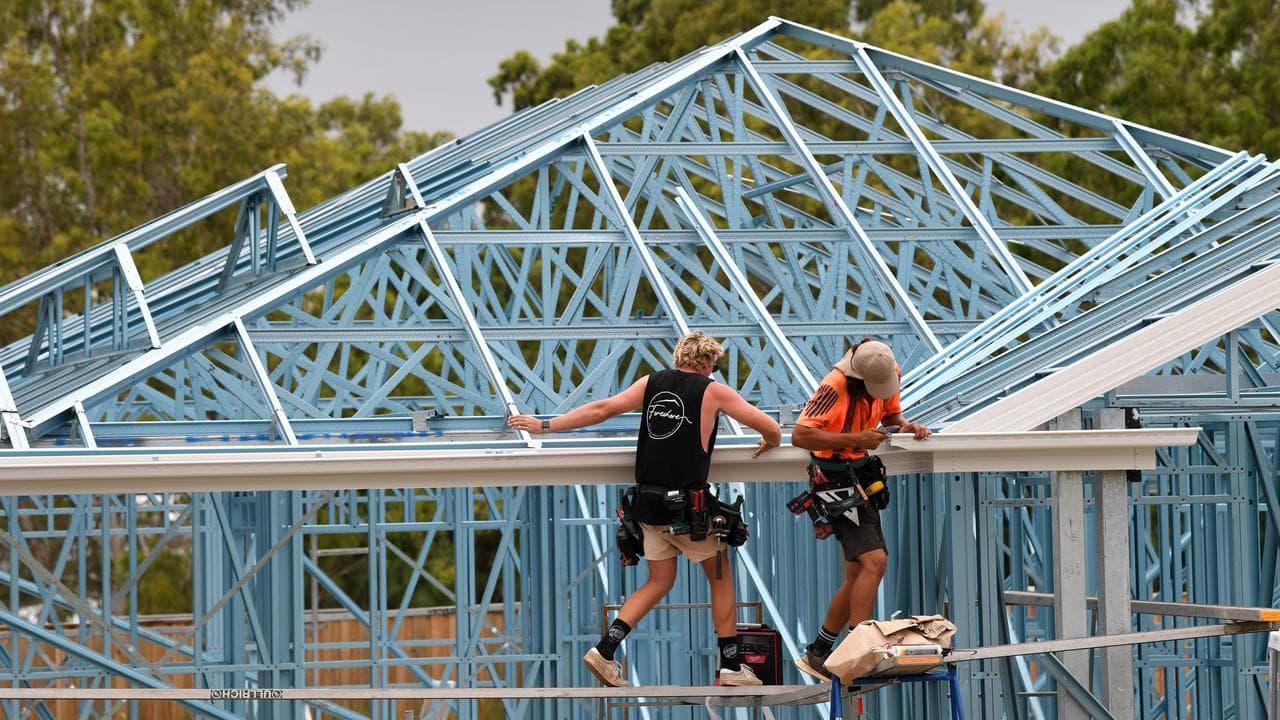
The Commonwealth must return to its historical role as a home builder rather than a protector of huge profits made by banks and developers.
It's advice that's been overlooked but a warning that cannot continue to go unheeded, senators have been told.
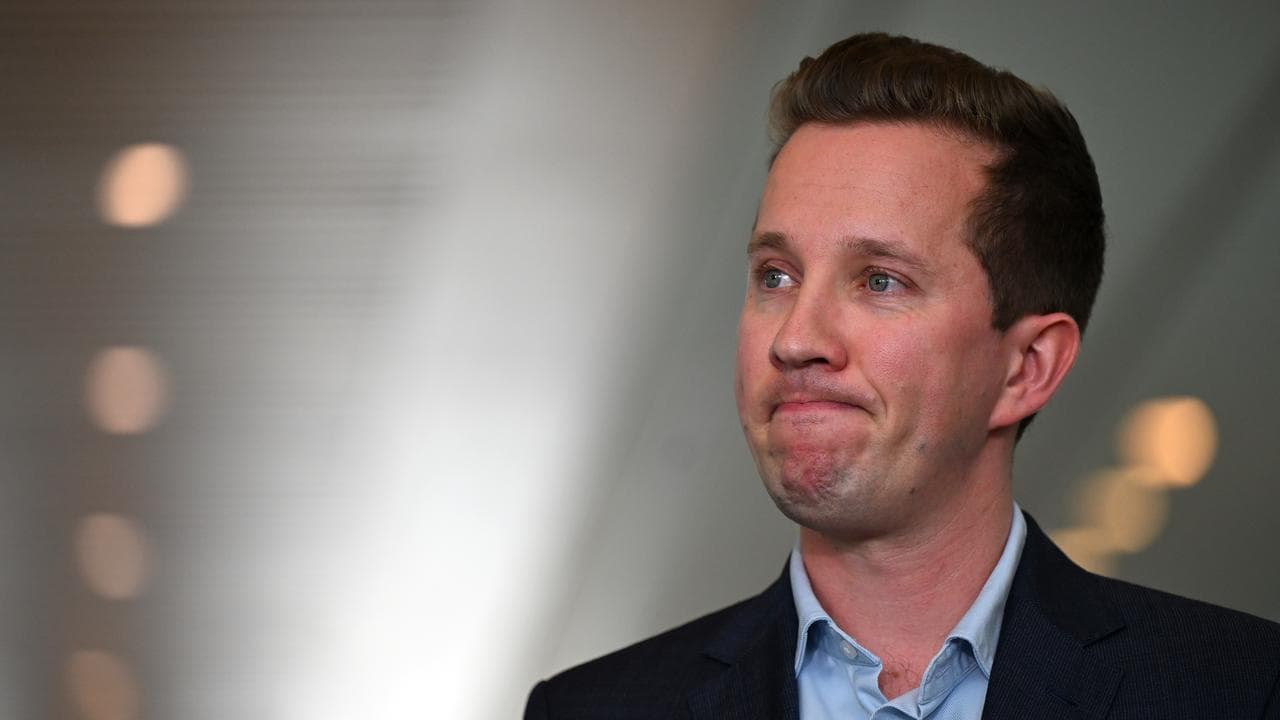
Appearing before the select committee on Intergenerational Housing Inequity on Wednesday, former Greens MP Max Chandler-Mather highlighted research revealing Australia's housing dilemma as unprecedented.
The nation was simultaneously experiencing record low rates of affordability among renters and house-buyers along with record high rental stress, he said.
Home ownership, a defining feature of the great Australian dream, peaked at 71 per cent in 1966 before slipping to 67 per cent in 2021, Mr Chandler-Mather explained.
However, the decline had been significantly more pronounced among younger Australians, plummeting from 61 per cent to 43 per cent for those aged 25-34.
Driving the trend, median capital city house prices increased sharply between 2014 and late 2024, most notably in Sydney where they more than doubled to about $1.4 million.
The findings belong to none other than the government's own National Housing Supply and Affordability Council.
However Mr Chandler-Mather, who is now executive director of the Australian Greens think tank, The Green Institute, told the inquiry the crisis was actually worsening under current policy settings.
Over the past few decades there had been a consensus between the major political parties that had changed the housing system for the worse, he said.
It had gone from providing affordable and quality housing to treating housing entirely as a lucrative financial asset and huge profit spinner for predatory banks and developers.
The 1980s and 1990s saw a shift away from public housing as a universal good for workers, towards something that was considered only for particularly disadvantaged groups, he said.
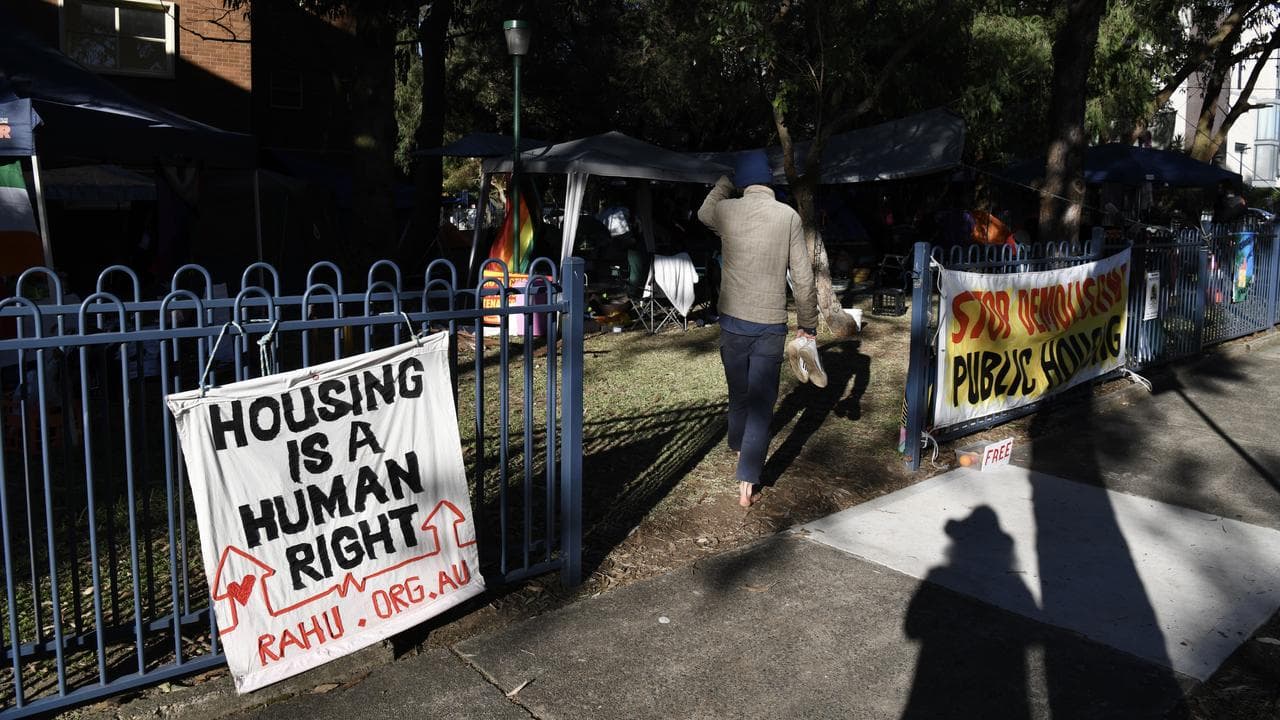
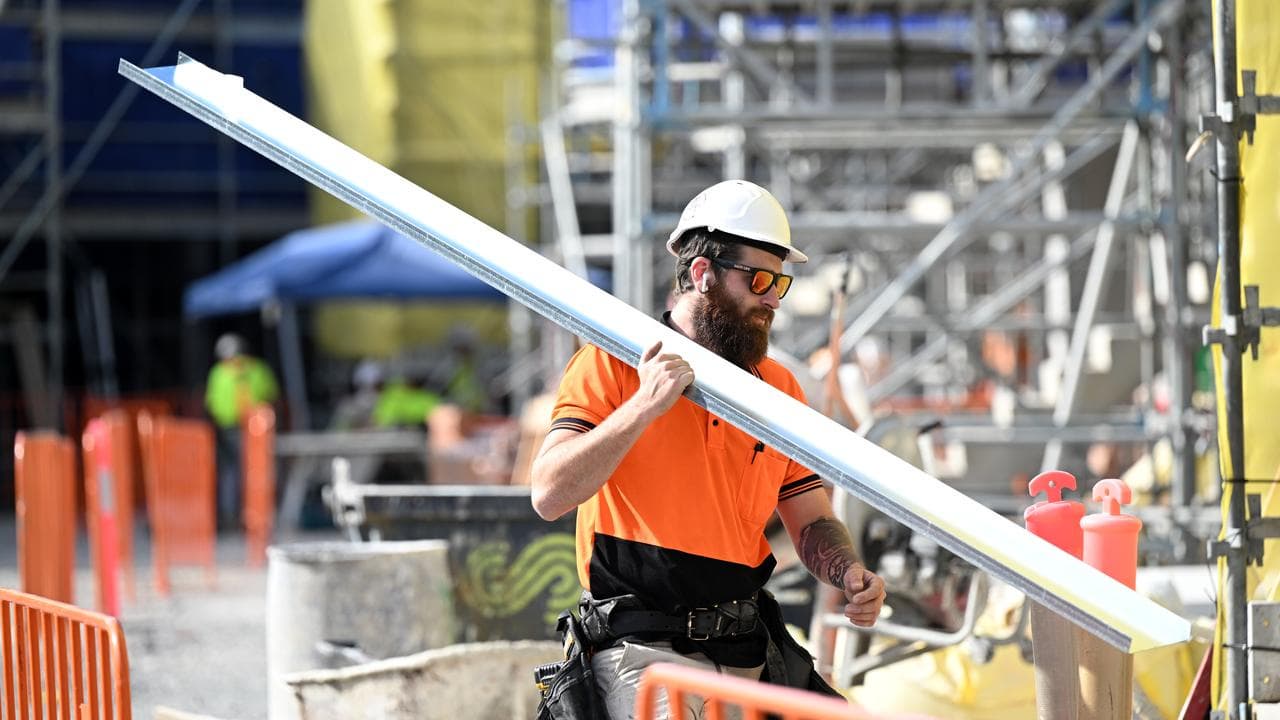
The federal government withdrew from its role in large-scale construction of public housing that provided thousands of jobs for tradies, architects and planners, and allowed banks to flood the housing market with credit.
Private property developers were now land-banking property lots and only drip-feeding them to maximise profits, Mr Chandler-Mather said.
"Apart from small changes to negative gearing and the capital gains tax discount, the reality is that this federal government is continuing this decades-long fatal housing policy."
At the high point, 18 per cent of all homes constructed each year were built by the Commonwealth as public housing, he said.
"If the federal government built public housing at the same rate as it used to, over the last five years it would have built nearly 200,000 public homes and completely eliminated the public housing wait list."
It should establish a public developer to build 360,000 homes over the next five years and 50,000 homes every year after, he said.
The homes should not just be available to low-income people but to teachers, nurses, doctors and pensioners, with the government collecting rent and sales income.
Elsewhere, the affordability council's 2026 State of the Housing System Report found the share of Australian median household income needed to pay the rent under a new lease has risen to an all-time high 33 per cent.
The number of years required to save for a mortgage has jumped to 11.2 years and the share of median household income needed to service a new mortgage remains elevated at almost 46 per cent.
The report found the Albanese government's commitment to build 1.2 million new homes by 2029 under the National Housing Accord could have been met by September 2030 before the Iran war.
"However, the conflict in the Middle East now brings heightened uncertainty to the outlook for housing supply," it said.
Also appearing before the inquiry in Brisbane on Wednesday, Queensland University of Technology's Michelle Newcomb called for rights-based housing rather than the current market-led approach focused on capital acquisition.
"Housing is a human right, it should be more heavily enshrined in our law," Dr Newcomb said.
"We're seeing the effect of a market-based approach now where people can't afford basic housing."
The committee also heard from housing experts that tenants should be supported as much as aspiring home owners.
Dr Dorina Pojani, associate professor of urban planning at the University of Queensland, said renters made up nearly a third of the country's households and millions of Australians rented for their whole lives.
"While home ownership has been an Australian tradition it should not be the only option for secure and affordable housing," she said.
Rent stabilisation is needed to ensure renters have affordable homes, security of tenure and protection from unfair eviction.
Increases should be tied to the Consumer Price Index and there should be a ceiling on allowable rent rises, Dr Pojani said.
Dr Lyndall Bryant, a property economics expert at the Queensland University of Technology, said there was "latent rental capacity" in Australia, with millions of spare bedrooms sitting unused.
She pointed to Ireland's rent-a-room program where people were encouraged to take in lodgers, with the rent earned not taxed if it's at a government-set affordable rate.
"If a small country like Ireland can do it, then why can't we?"


