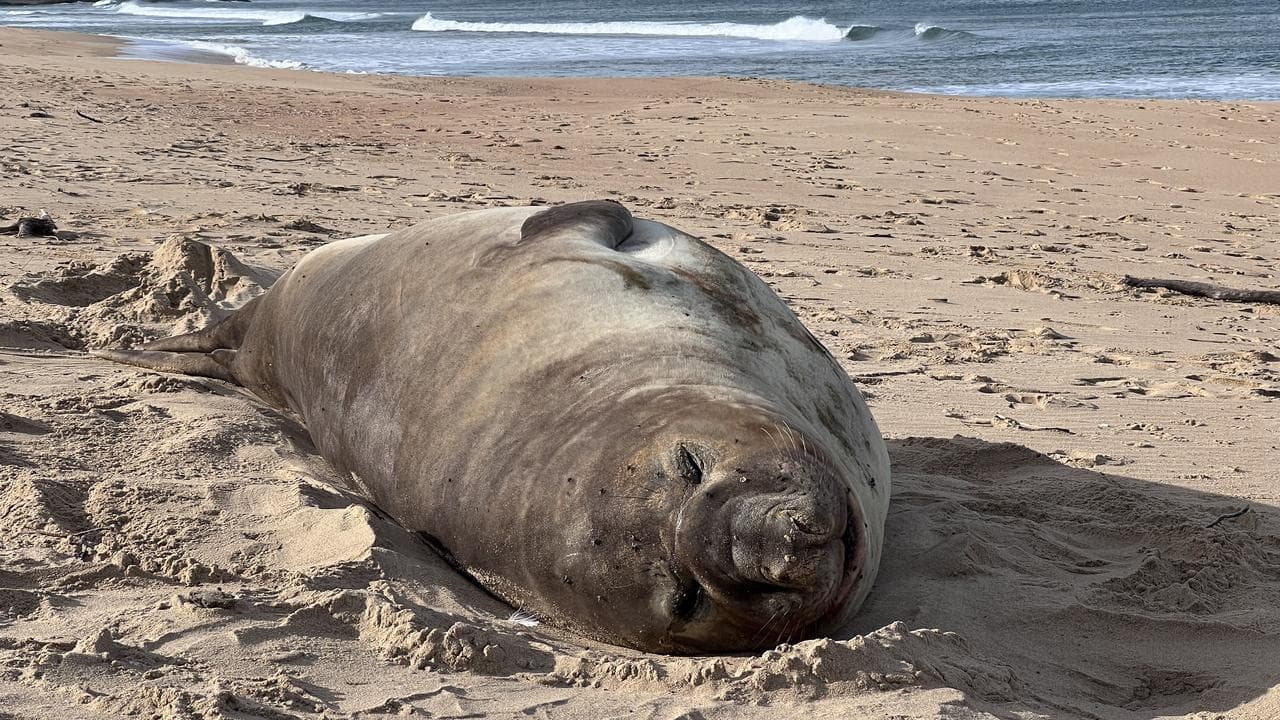
A southern elephant seal with a big social media following is at risk of being "loved to death" if people don't give him space, wildlife authorities warn.
Neil the seal has returned to southeast Tasmania for his biannual haul out in which he takes a rest on land after feeding at sea.
His hefty presence on beaches and suburban streets draws thousands of spectators, with an increasing number documenting his antics online.
Five-year-old Neil, who is a member of the largest seal species on the planet, weighs 1000kg but will tip the scales at 3000kg when fully grown.
Wildlife authorities have issued a stern warning to the public, with reports of people offering him food and getting close with small babies for photos.
"He is a large marine predator and we need to treat him as such and give him the respect he deserves," Kris Carlyon from Tasmania's department of natural resources and environment said.
"He can look cute and cuddly ... but we certainly wouldn’t be approaching things like polar bears or bison."
In other parts of the world, authorities have been forced to make grim decisions to euthanise animals when peoples' behaviour couldn't be managed, Dr Carlyon said.
"There is a risk here of essentially loving Neil to death," he said,
"(But) it's a last resort. That is where we don’t want to get to."
Neil's presence on social media - one video of him breaking bollards near a phone box has almost 17 million views - is a "double-edged" sword.
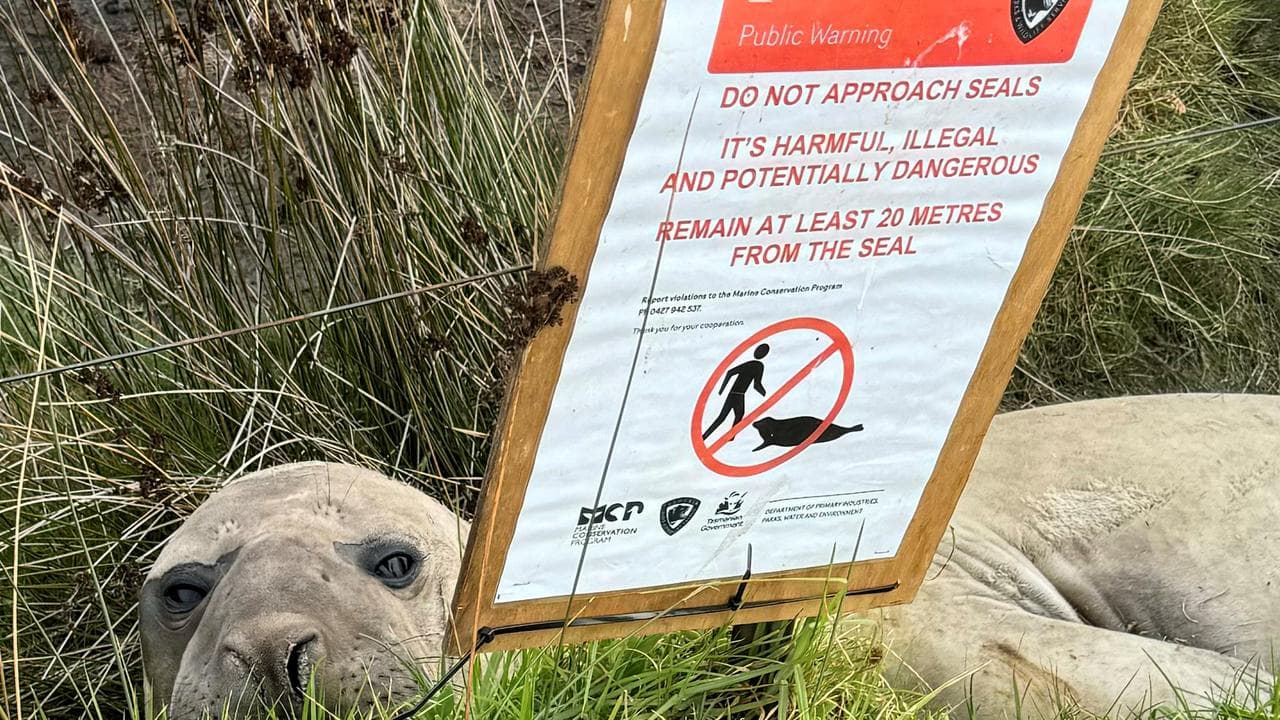
It raises wildlife awareness but can also encourage risky behaviour, Dr Carlyon said.
Neil was born on a southeast Tasmanian beach with no other seals around, likely to a young mother who was inexperienced and as a result doesn't have a colony.
He is pre-programmed to return to the same area to rest, although there is a chance he will find a breeding partner when he gets older and move.
Tasmania had elephant seal colonies in the northwest before they were wiped out by hunting in the early 1800s.
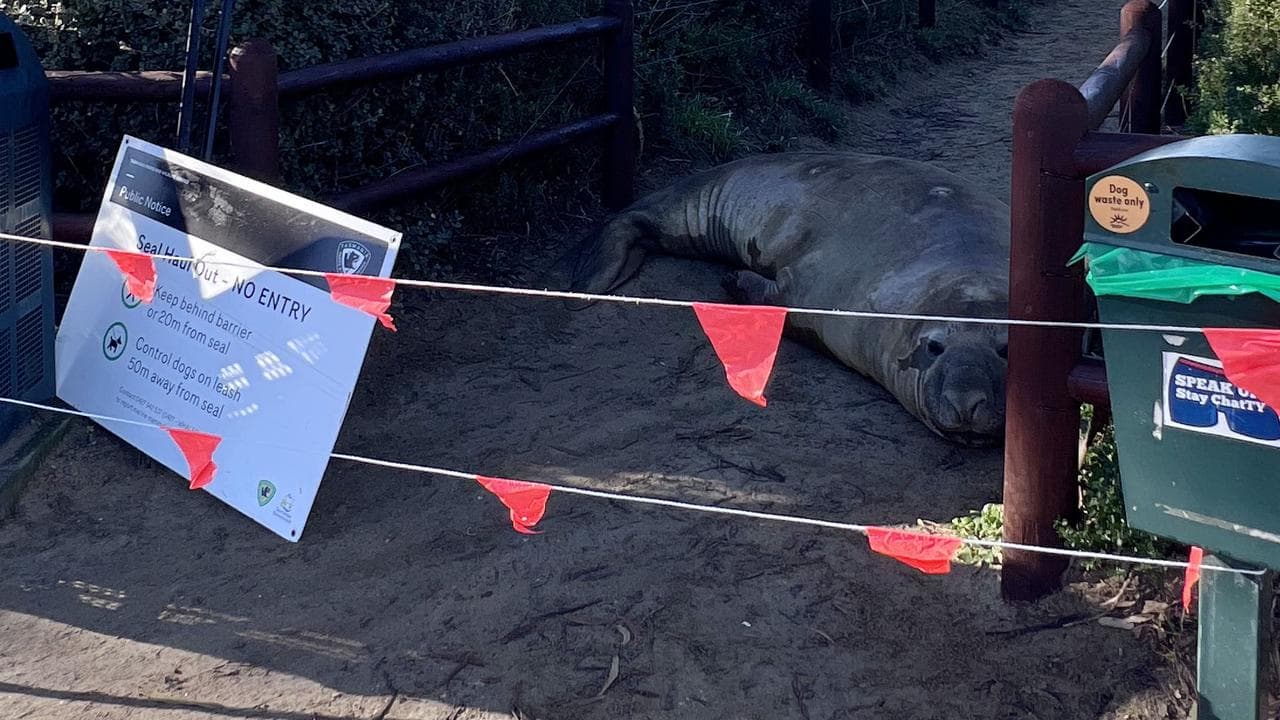
Dr Carlyon has watched Neil grow since he was a 40kg pup that wildlife officers had to move from a sandbar to ensure he didn't drown.
"Regardless of the resource burden and challenges he throws, we’re pleased to see him," he said.
People must stay at least 20m away from Neil, keep dogs on a leash and 50m away and avoid blocking his access to the water, authorities say.
Any untoward behaviour could attract penalties with fines of up to $16,000 and a maximum jail term of 12 months on the cards for people who touch or disturb native wildlife.


