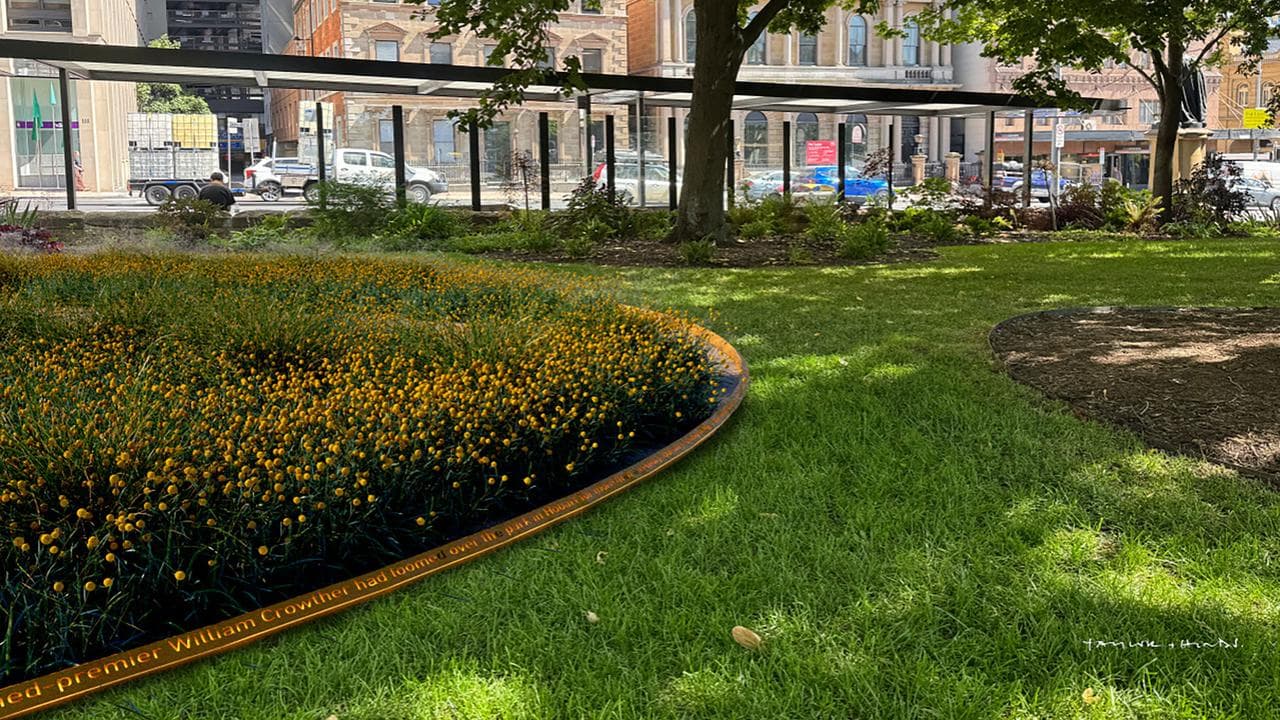
A re-interpretation of a controversial colonial premier's toppled statue will feature "sandstone, bronze and empathy", as well as commentary about its illegal removal.
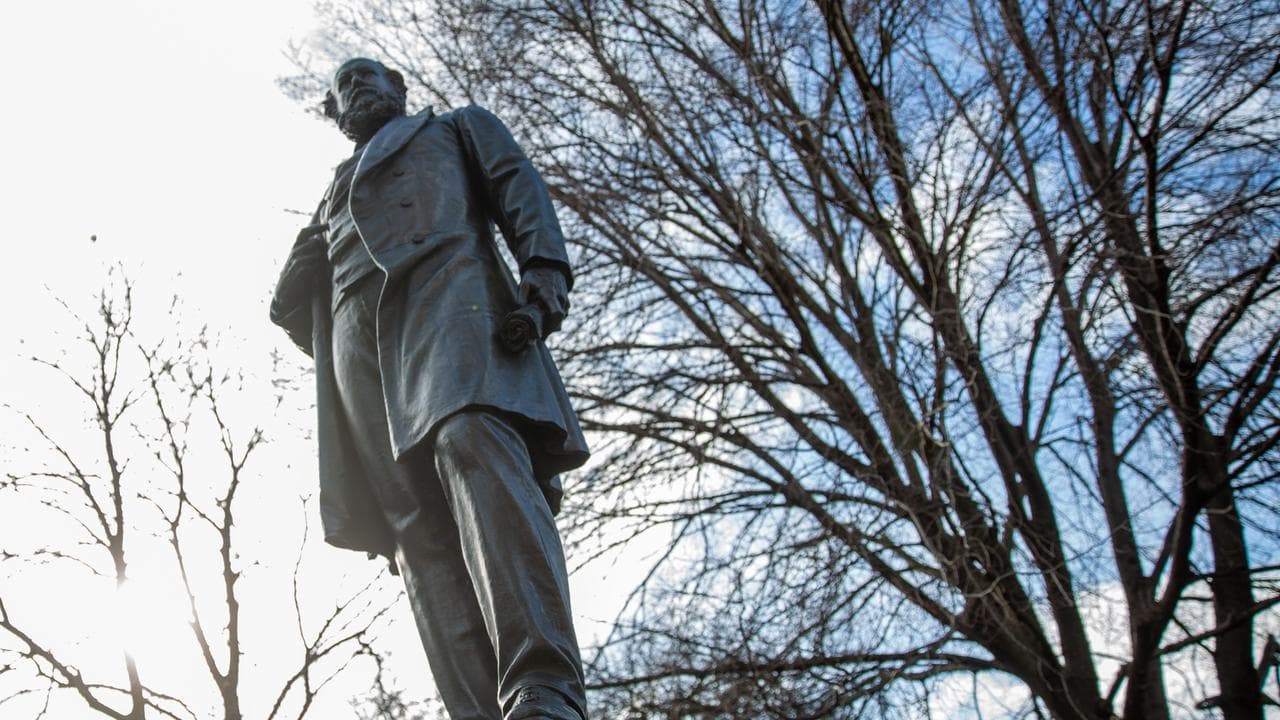
Hobart City Council in 2022 voted to take down a statue of surgeon William Crowther, which was erected in 1889 four years after his death in recognition of his community service.
Dr Crowther was accused of entering a hospital in 1869, where the body Aboriginal man William Lanne body was kept, and stealing his skull and replacing it with the skull of another man.
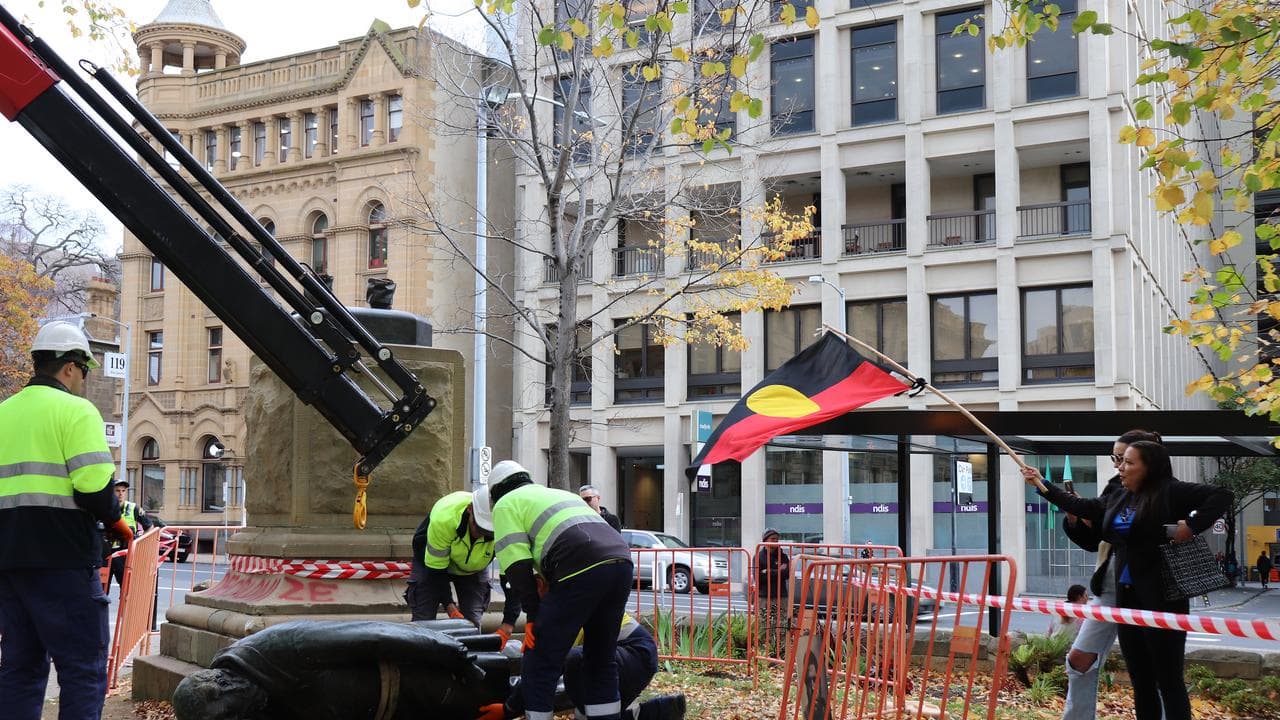
In May 2024, vandals toppled the statue before the council could remove it.
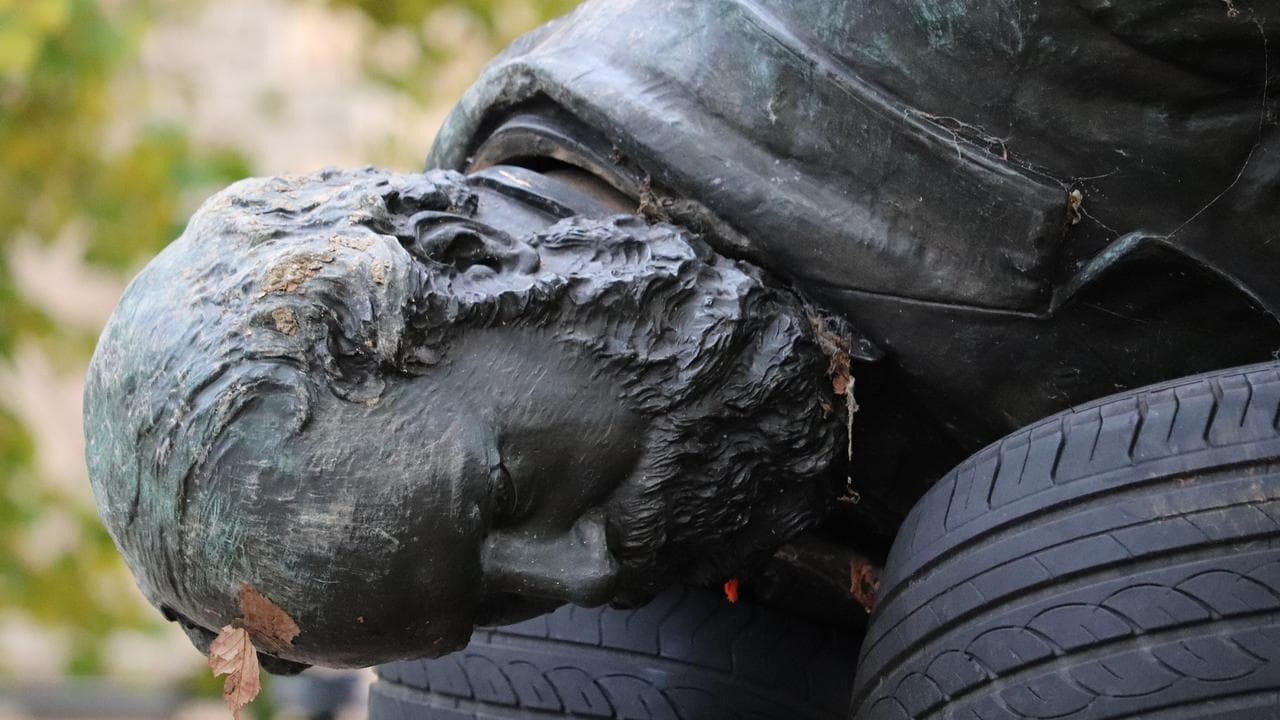
The statue of Dr Crowther, premier briefly in the late 1870s, was discovered on the ground with a cut to one leg and spray painted with "what goes around".
Council on Monday released renders of the statue's reinterpretation, decided upon after extensive consultation.
"We are now at the moment when the promise of the proposal will be realised for the community," architect Mat Hinds said.
"The materials that will be used by contractors to make the final piece are sandstone, bronze and empathy."
Short works from writers Nunami Sculthorpe-Green, Alison Alexander and Andrew Harper will feature near the remaining statue plinth.
They'll discuss the lives of Mr Lanne and Dr Crowther, Aboriginal and colonial life in the 1800s, and provide commentary on the statue's removal.
A QR-code will direct people to longer written pieces online, with final installation expected to be completed in October.
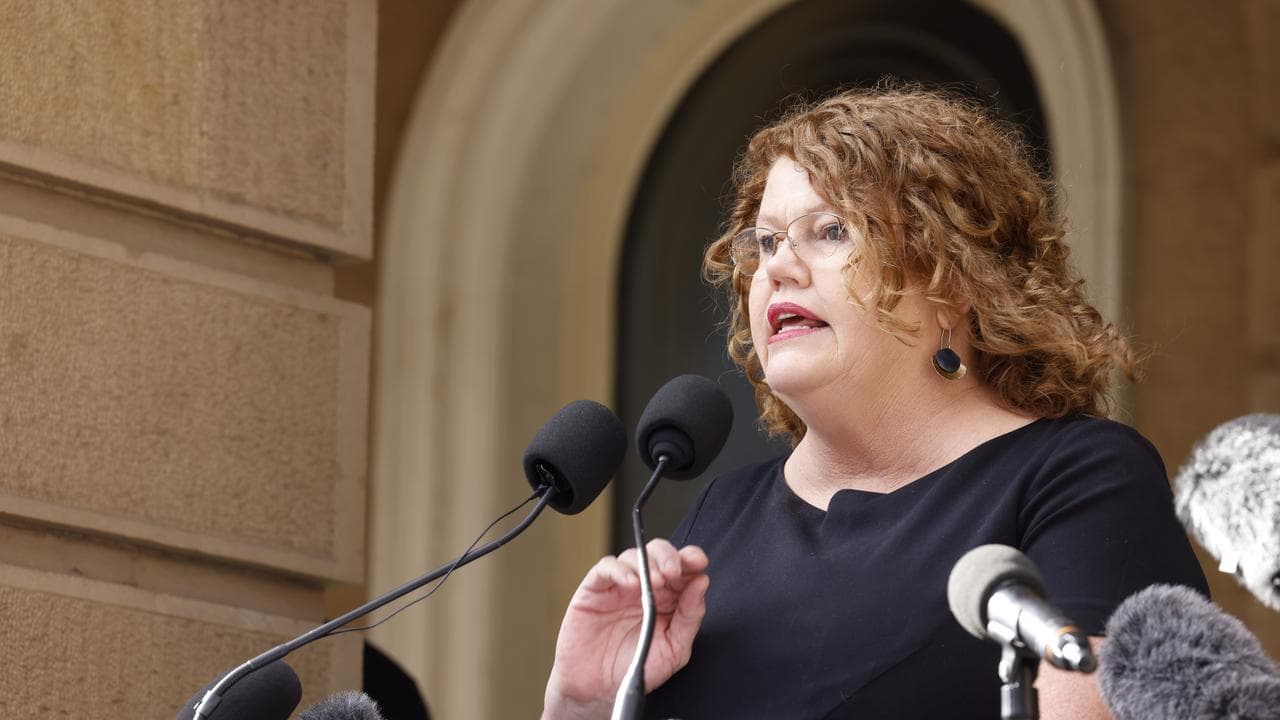
"The project marks an important milestone in a community conversation that has unfolded over several years," Hobart mayor Anna Reynolds said.
"Crowther Reinterpreted has been shaped through extensive engagement ... to better acknowledge the many perspectives and histories connected to this site.''
Indigenous groups campaigned for years to have the statue taken down, saying it was a hurtful reminder of actions from people like Dr Crowther.
There was an unsuccessful appeal from former Hobart councillor Jeff Briscoe against the council's decision to remove the statue.
He and others argued against the statue's removal on seven grounds, including that the square's historical and cultural heritage would be affected.
In dismissing the appeal, the Tasmanian Civil and Administrative Tribunal noted the removal would have a positive resulting impact and the reasons for it being taken down would be explained.


