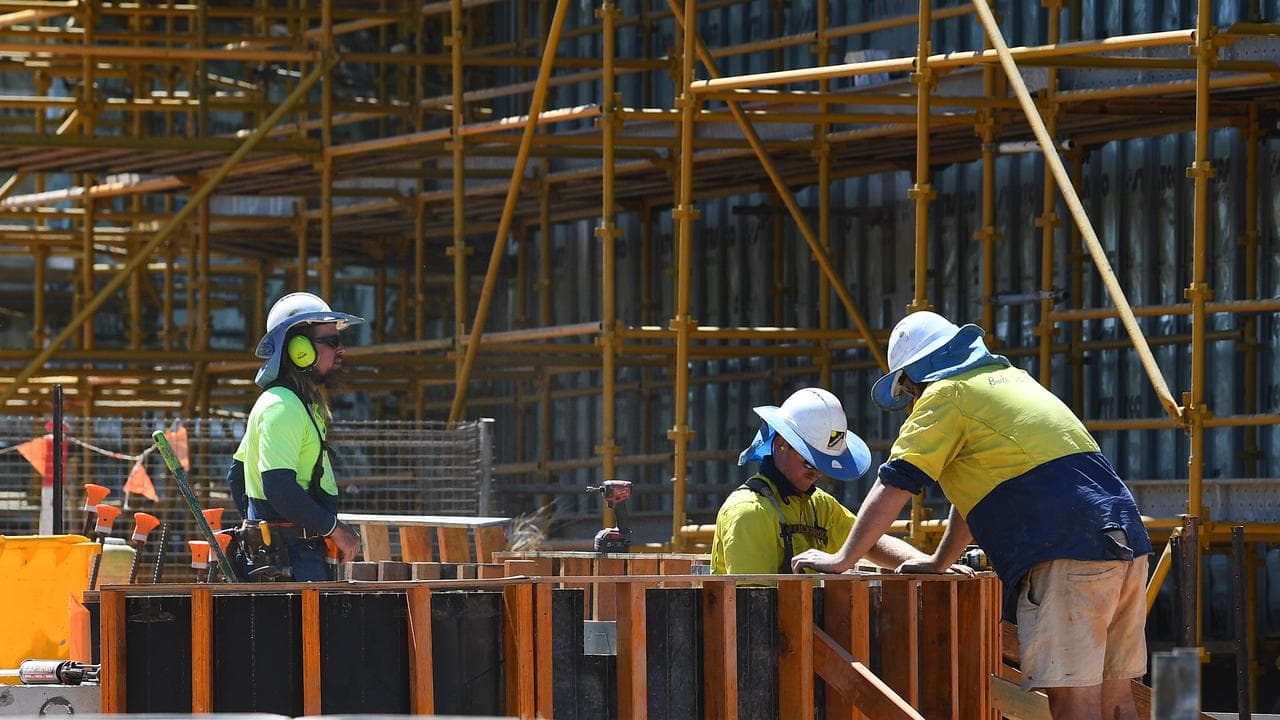
Australia's housing supply shortage is being exacerbated by requirements for young home buyers to install unnecessary features such as bathroom rails in new properties, builders warn.
Onerous accessibility and energy efficiency standards, overly complex building codes, inflexible workplace arrangements and restrictive zoning laws are resulting in slower build times and higher costs, a parliamentary inquiry into the housing sector's dire productivity performance has heard.
Home building productivity is 21.5 per cent lower than just over a decade ago, Master Builders Australia policy director Melissa Byrne told the inquiry on Wednesday.
"It now takes 33 months - just under three years - to create a new apartment. This is in stark contrast to the 21-month build time a decade ago," she said.
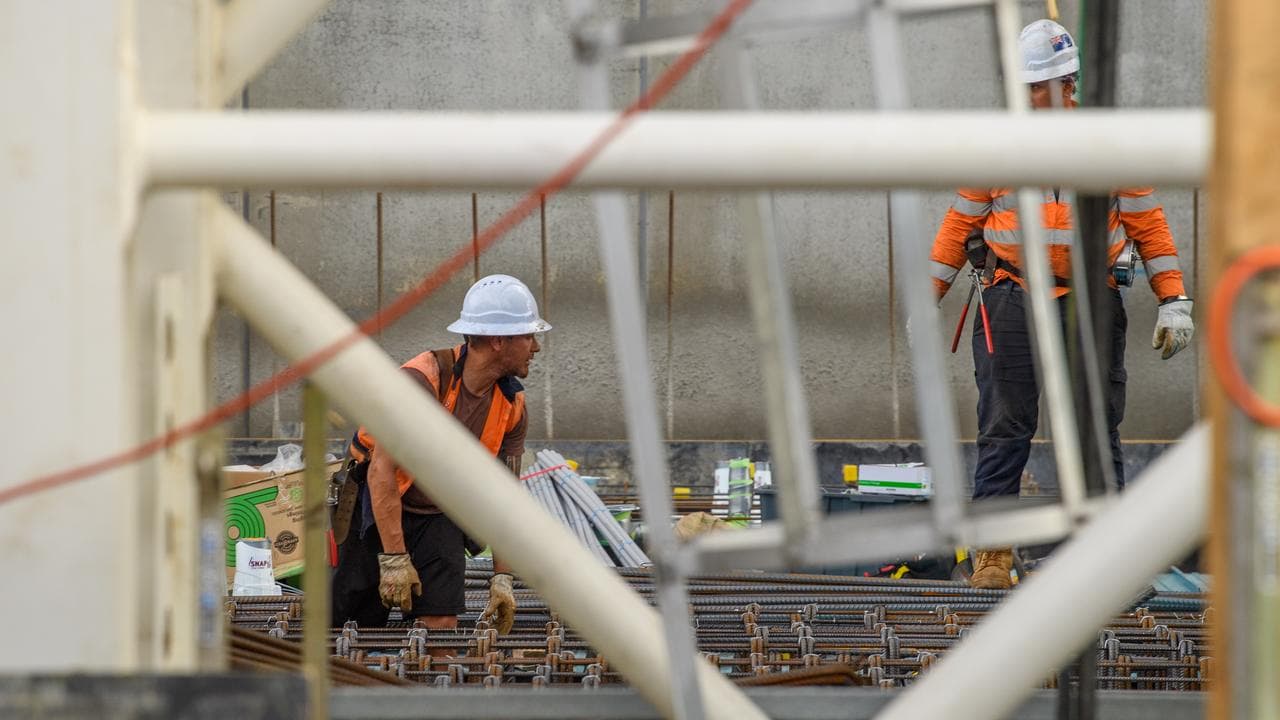
Part of the problem is the ballooning scope of the National Construction Code, which has been broadened in recent years to mandate 'nice-to-haves', like sustainability and amenity, rather than just essential safety requirements, argued Housing Industry Association chief policy executive Simon Croft.
Recently included livable housing and energy efficiency provisions were the Master Builders' key sticking points with the code, Ms Byrne said.
Accessibility requirements were saddling young home builders with costs for something that would likely not impact them for 40 or 50 years, if they remained in the house that long, she said.
"For young first-home buyers, they are required to build a home that would provide a rail in a bathroom in case they stayed in it till they were of an age that you needed that rail in a bathroom. The doorways are wider to fit potentially a wheelchair," she said.

The most recent edition of the code, which incorporated seven-star energy and disability access requirements, added $25,000 to the construction of a new home, Mr Croft said.
Opposition housing spokesman Andrew Bragg described the requirements as "gold-plating on steroids".
"It has destroyed the ability of an Australian to build a cheap house if that is their wish," he said.
"Why should a young Australian have to pay for mandatory grab rails in bathrooms?"
The federal government has paused the implementation of a new building code and is working to streamline the existing code.

Mr Croft said the HIA was supportive of the government's efforts to modernise and overhaul the code.
Inflexible industrial relations laws were also holding back construction times.
Tom Forrest, chief executive of Urban Taskforce Australia, said there was no doubt there had been a drop-off in the number of hours worked per week.
"The idea that you can't pour concrete after a particular period, because that might drive you into a period towards the end of the day where you're going over the available hours that are mandated under the EBA - it's just inflexible."


