Driven by consumer demand, compulsory super and strict greenwashing regulations, Australia's record on ethical investment is well regarded.
Or at least it was.
Amid concerns over performance and a US-led anti-woke backlash, the nation's appetite for putting hard-earned savings into companies with a conscience has fallen off a cliff.

Driven mostly by younger investors, support for funds dedicated to strong environmental, social and governance, or ESG, frameworks was riding high until 2021.
Now, the sector is suffering green fatigue.
Trading has dropped 60 to 70 per cent, according to an examination of the 250 most-traded instruments on popular investment-tracking platform Sharesight.
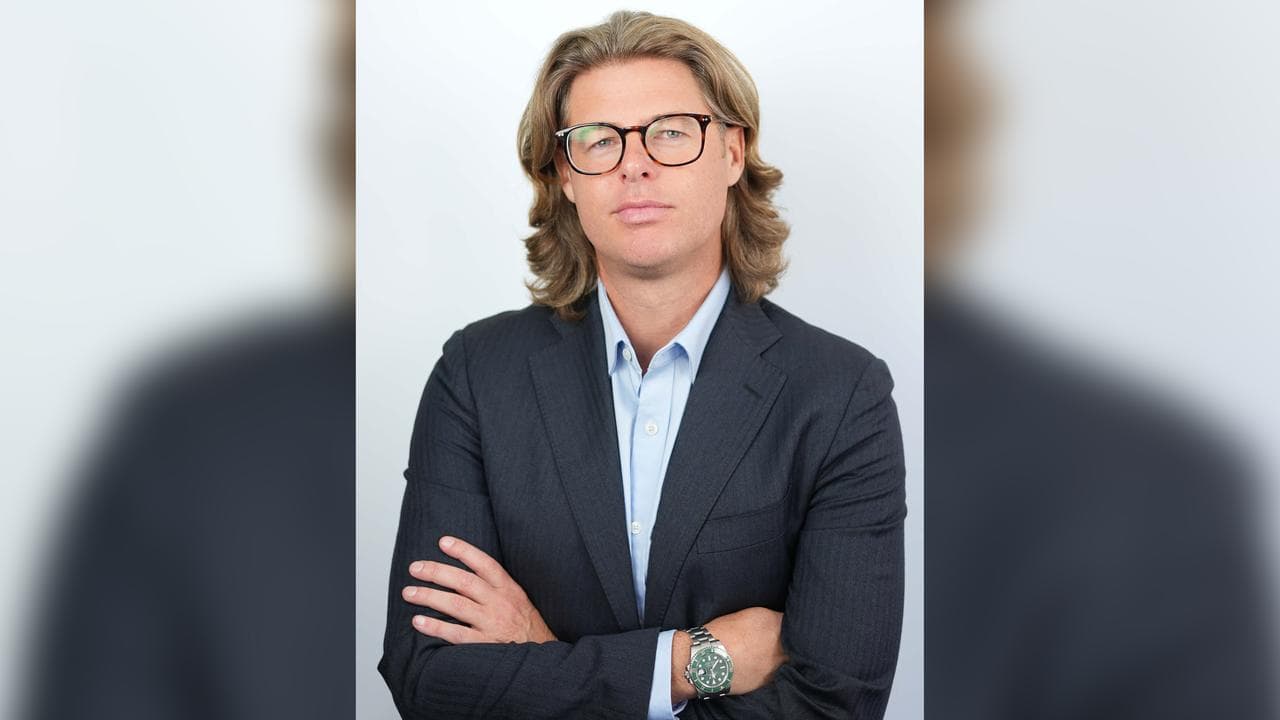
"What we've found with ESG, in particular, is just a real drop in enthusiasm for the asset class," says Douglas Morris, chief executive of the Sydney and Wellington-based company.
"That's based on just the sheer number of new buy activity, buy/trade activity, that we've seen for ESG products in comparison to other types of investments."
Founded in 2008, Sharesight has around a million customers globally, including hundreds of thousands in Australia.
A little over four years ago, ESG-focused exchange-traded funds like Betashares's Global Sustainability Leaders and Australian Sustainability Leaders, as well as Vanguard's Ethically Conscious International Shares Index, were widely held in Sharesight portfolios and among its most-traded instruments.
That was before Russia invaded Ukraine, when there was a lot of retail investor enthusiasm for trading in the aftermath of the COVID-19 pandemic.
"People were locked away inside and they had government stimulus money," Mr Morris tells AAP.
"Interest rates were low and they were trading and investing a lot."
Stock markets had performed very well to that point and rotating into ESG investments seemed "almost like the icing on the cake".
But by the end of 2025, interest in such funds had dropped significantly in Sharesight's rankings or disappeared from its list of the top 250 traded instruments entirely.

No dedicated ESG or ethical funds appeared in the top-traded holdings of Australian investors in the 12 months to April.
That's despite exchange-traded funds generally growing from about eight per cent of Sharesight member investments up to 30 per cent, Mr Morris says.
Instead, there's been a strong rotation into big US tech companies, cryptocurrency, uranium and nuclear energy stocks, defence and aerospace companies and leveraged Nasdaq-linked ETFs.
"Tech stocks have now been the most popular investment for a number of years," Mr Morris says.
"You know, your Apples, Googles, NVIDIAs, Microsofts, Teslas and a range of other players now in the AI space."
Mr Morris says ethical investments have simply not performed all that well, with just one in seven active ESG equity managers beating market benchmarks.

It was also a mistake to assume younger investors would put their money into ESG at the expense of higher returns just because they're politically left of centre.
"At the end of the day, they still want those strong returns, right?" he says.
ESG investing has also been swept up by the US culture wars, with the ruling Republican Party attacking what it considers "woke capitalism".
Proponents say ESG investing is simply a tool to manage the risk posed by climate change and poor governance structures, and that a diverse workforce is good for business.
In recent times, lax governance standards resulted in scandals at Australian companies such as Star Entertainment Group and Corporate Travel Management, costing investors huge sums.
In 2020, mining giant Rio Tinto faced a federal parliamentary inquiry into its destruction of a 46,000-year-old rock shelter at Juukan Gorge in the Pilbara.

Dugald Higgins, head of responsible investment at Melbourne-based Zenith, says based on data he's seen, ESG funds in Australia and Zealand are still growing while they have been shrinking in the US and flat in Europe.
"I mean, it's a not a lot of inflow, absolutely, and have there been some funds that have shut down, absolutely," he says.
"But all in all, money is still coming in."
Mr Higgins tells AAP ESG went through a "hype cycle" over the past few years he describes as part of a normal overreach for new products.
"You get to, like, peak hype and normally then, of course, what happens is reality bites and people realise either it's not all that its cracked up to be or it's not actually panning out the way that they thought it would," he says.
It's not that ESG doesn't work, Mr Higgins argues, but in 2022 people were "promised the world" only to realise that investing isn't that simple.
"If you think about that classic hype cycle, we're in the trough of despair, but we're on the leading edge of coming out of that into what is a more realistic and long lasting view of what this stuff is, how it should look and feel and work," he says.
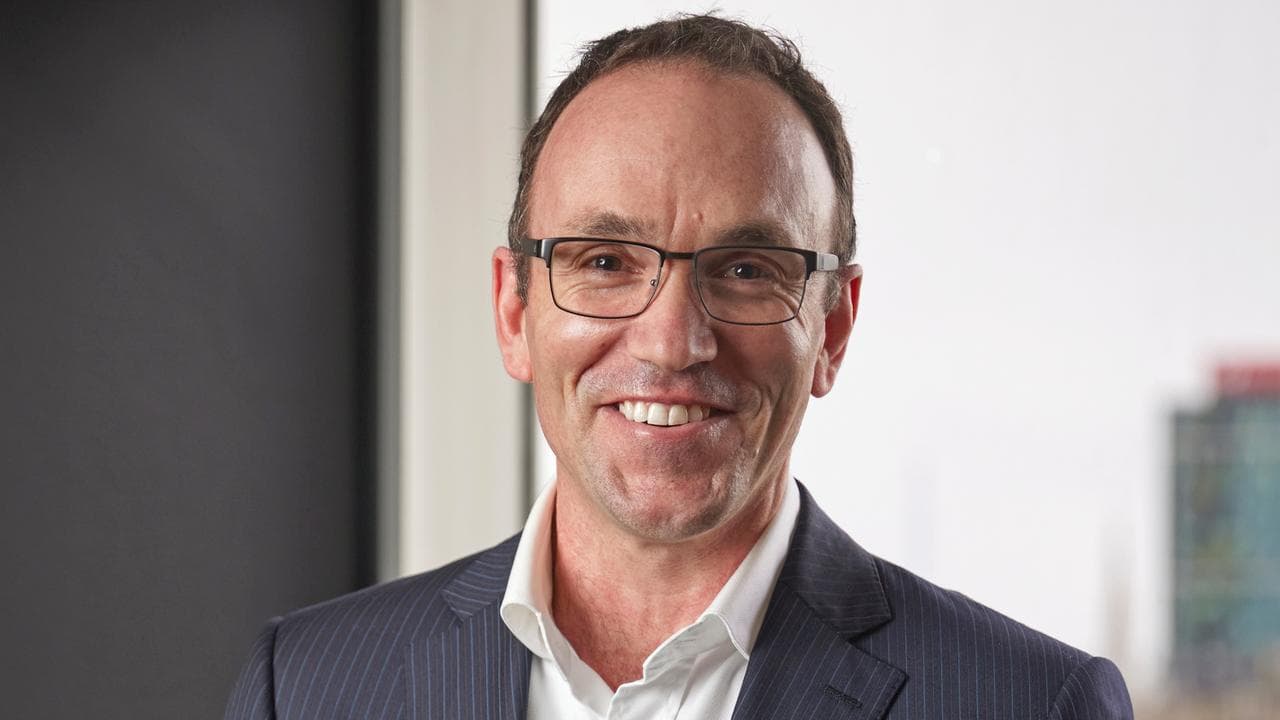
Zenith has seen very little evidence to suggest investors have to give up performance to invest ethically or sustainably over the long haul, Mr Higgins adds.
"In the short-term, absolutely, you can get radical differences.
"You'll have periods of quite pronounced over- and under-performance, which you should accept, and you've got to ride through that and accept that this is part of the deal."


