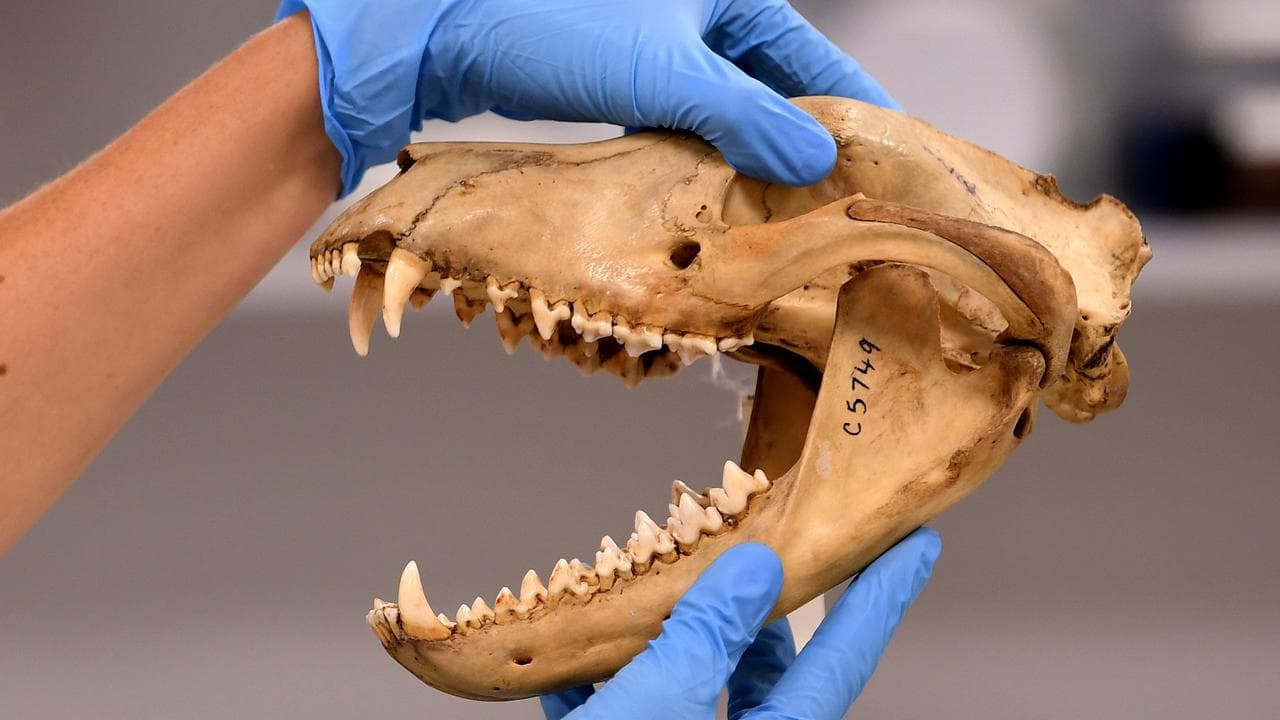
Ninety years after the death of the last-known Tasmanian tiger, Australia maintains a shameful record of habitat destruction and species extinction, conservationists say.
National Threatened Species Day on Monday marked the grim milestone, sparking a warning from the Australian Conservation Foundation.
They have highlighted the danger of further extinctions if governments don't act, saying more than 2000 Australian species and ecosystems are under threat.
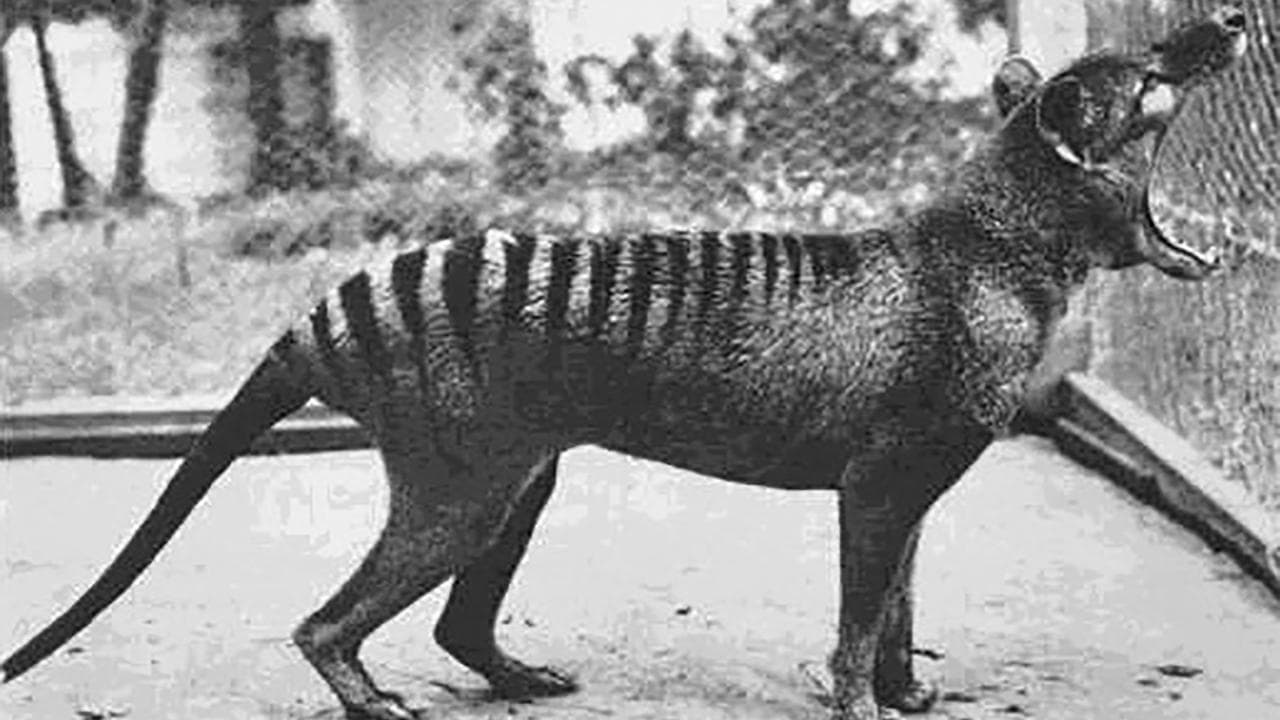
The last-known thylacine died in Hobart Zoo on September 7, 1936 after the species was wiped out through hunting by Europeans, habitat destruction and disease.
"Ninety years on Australia still has a shameful record, having caused more mammal extinctions than any other country on earth," Australian Conservation Foundation's Darcie Carruthers told AAP.
"To this day we're the only wealthy developed nation on the list of global deforestation hotspots."
More than 600 Australian animal species were under threat, buckling under the combined pressure of habitat destruction, invasive species and climate change, Ms Carruthers said.

The extent of habitat loss was made plain by Queensland government figures showing an area of forest and woodland bigger than the ACT was bulldozed in the state in just one year, she said.
Most of that was for pasture creation, with beef demand a major driver of forest destruction.
The foundation urged supermarkets and burger chains to only source deforestation-free beef.
New data shows more than 200,000 hectares of native vegetation clearing applications were before the West Australian government, with 54,000 hectares already approved for 2026, the Conservation Council of WA said.
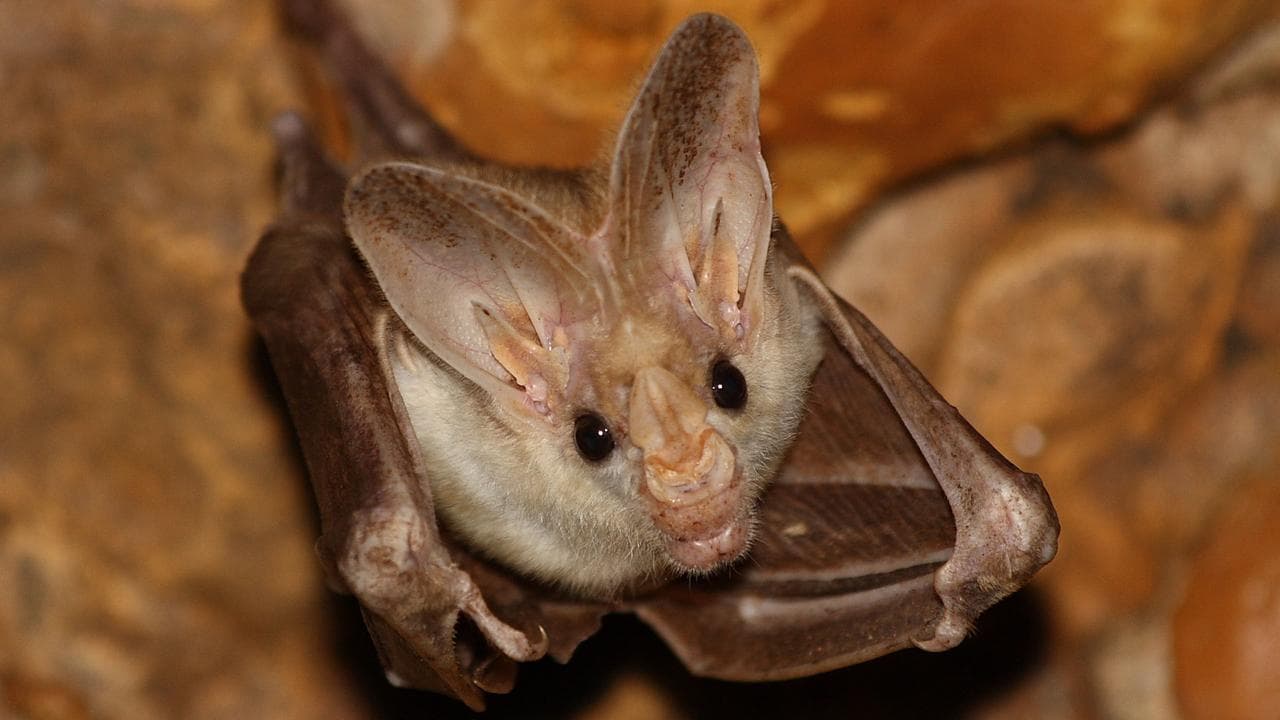
Clearances included more than 150,000 hectares in the Pilbara region that provided critical habitat for threatened species like the northern quoll, olive python and ghost bat, it said.
"There's definitely a direct link between the destruction of critical habitat and extinctions of threatened species," the council's Kelly Boden-Hawes told AAP.
"We can still bring nature back from the brink, we just have to be proactive about it."
In August, five Australian marsupials were confirmed extinct on the International Union for Conservation of Nature’s Red List, Dr Boden-Hawes said.
They included the crested-tailed mulgara, a tiny carnivorous marsupial once found across WA.

Recent good news about WA's numbats showed what could be achieved when funding and resources were invested in recovery, Dr Boden-Hawes said, with the marsupial downlisted from endangered to near threatened.
Federal Environment Minister Murray Watt said under the Albanese government, 274 species and 16 ecological communities threatened with extinction had been protected under national law for the first time.
"Since 2022, we have committed over $800 million to protect threatened species and the places they call home," he said in a statement.
That funding was on top of $270 million invested in H5 bird flu preparedness.
“We remain committed to long-term environmental recovery, in partnership with state and local governments, conservation groups, wildlife experts and local communities,” Senator Watt said.


