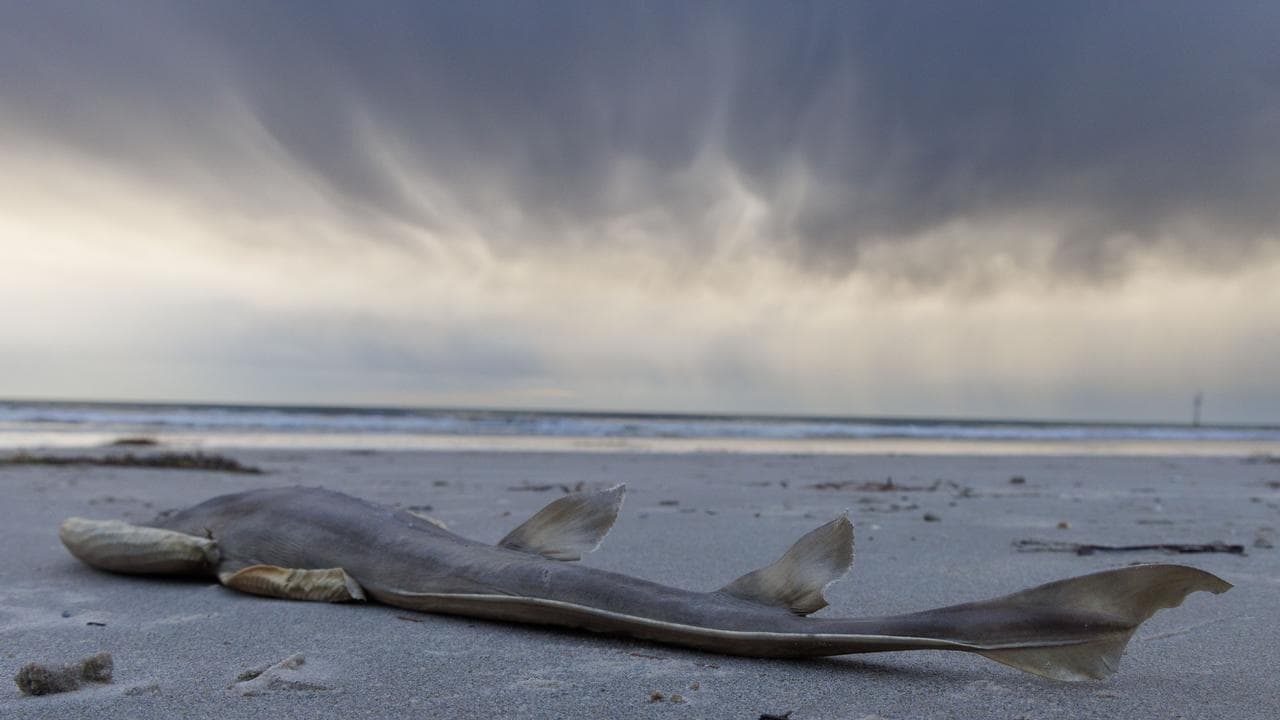
An algal bloom that has devastated marine life and vast stretches of coastline is dissipating but experts warn recovery will take years and "may never happen".
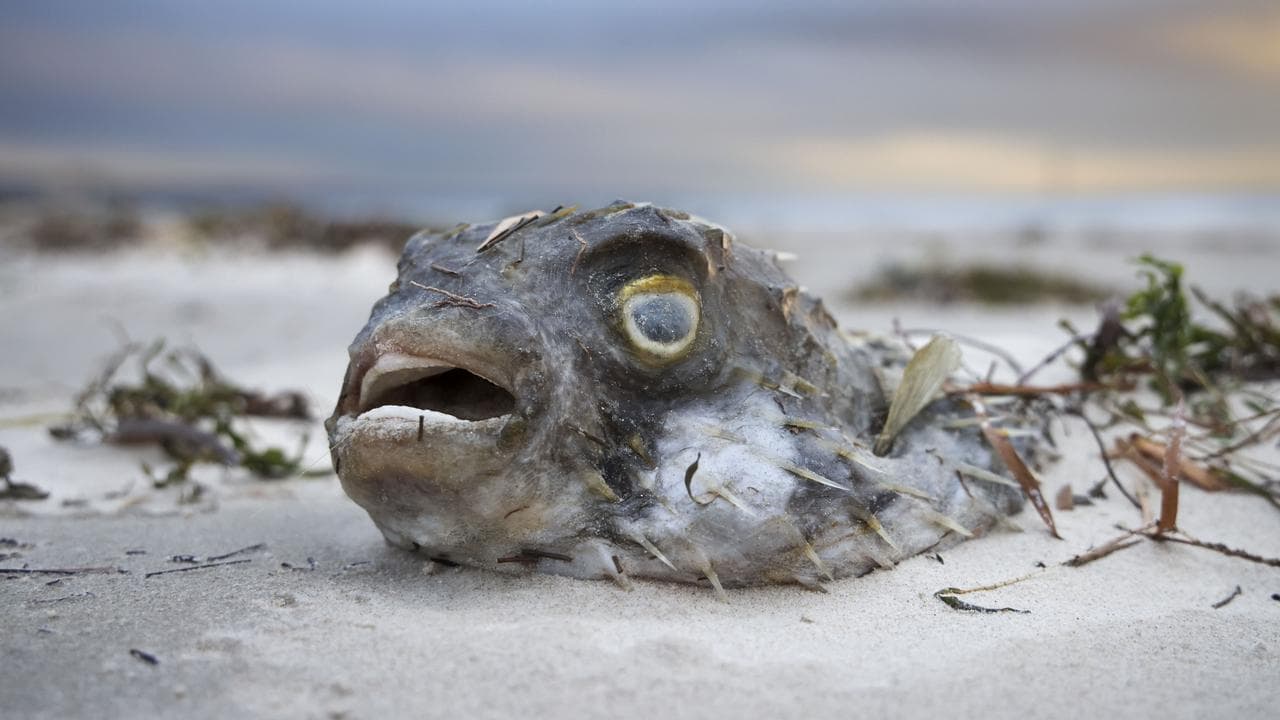
The harmful algal growth that was identified off the Fleurieu Peninsula in mid-March 2025 has decimated ecosystems in South Australia, killing thousands of marine animals and crippling industries that rely on the ocean for their livelihood.
Professor Mike Steer, who is leading the government's response, said apart from hotspots on the southwest Yorke Peninsula and northern Spencer Gulf, the bloom had "virtually disappeared" through metropolitan South Australia.
“In fact, the majority of Gulf St Vincent appears to be clear,” the South Australian Research and Development Institute executive director said.
Asked about the algal bloom’s current situation, Prof Steer said it was persisting in localised areas.
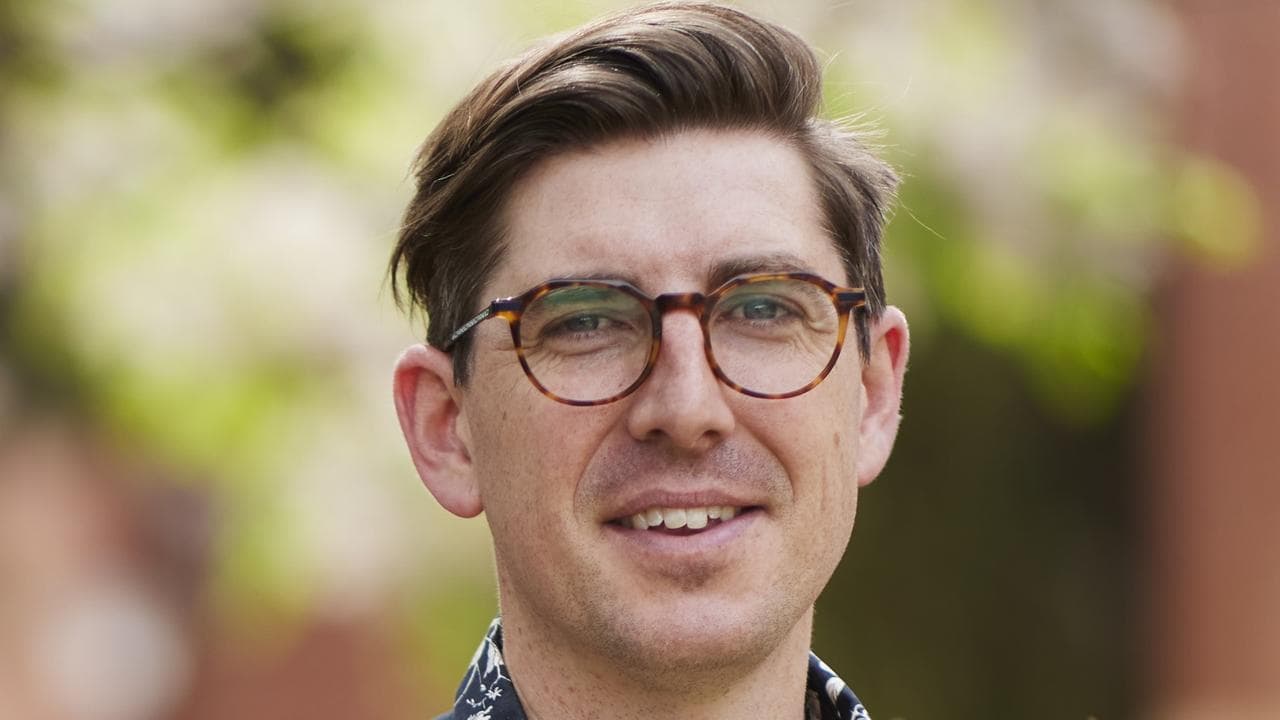
Adelaide University's Dominic McAfee, who is currently visiting sites off Kingscote on Kangaroo Island to plan restoration work, said “the sea is acting differently”.
“No one's under any illusions that it'll take many years before we see something that may resemble pre-algal bloom conditions, but that may never happen,” Dr McAfee told AAP on Tuesday.
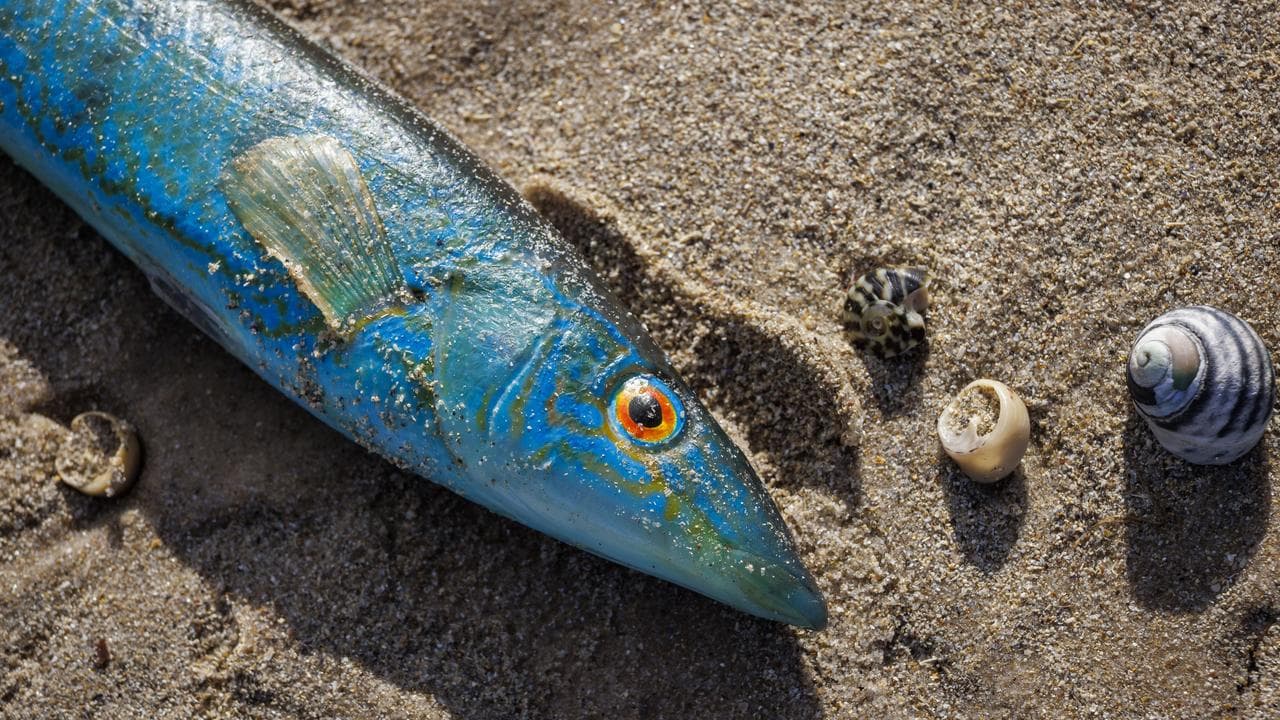
“These are unprecedented times … there's been almost 100 per cent mortality of the razor fish, for example, and they form pretty vast habitats in SA.
“There's clearly a lot of species missing that we would ordinarily see, and there's different behavioural patterns as well.”
The state government has established seven extra onshore water testing sites on the Yorke Peninsula, after a surge in levels of the karenia species that is producing the toxins.
Citizen scientist Lochie Cameron, who lives at Yorke Peninsula's Corny Point, said fish kills in the region had been “horrific” and the government was playing down the bloom's severity.
“There's no squid. The catch rates are down 98 per cent. It's having a massive impact across a range of industries," he told AAP.
“If this hits Port Lincoln ... there's a half a billion dollar fishing industry on the bottom of that peninsula, there's a possibility of it disappearing.”
About 400 fisheries, aquaculture, tourism and recreational businesses have been impacted.
At least $150 million worth of taxpayer grants, vouchers and cashbacks have been issued, including more than $2 million in travel discounts.
Adelaide University marine ecology professor Ivan Nagelkerken said what the government had done was a good start and the vouchers had given people "good feelings”.
“But what have we really learned?” he said.
“I would say relatively little, because this money goes into patching the problems now, not the fundamental research into how these algal blooms develop, getting all the data so we can better predict the future.
“We need dedicated funding for scientific research into this issue while it's still happening, because when it's gone, opportunities to investigate are gone too, and then we just have to wait until the next one.”
Mr Cameron said he was shocked by what he saw when snorkelling at Port Vincent.
"There's nothing - all of the life that should be here under these rocks is gone,” he said.
“I'm not hopeful that I will see full recovery in my lifetime.”


