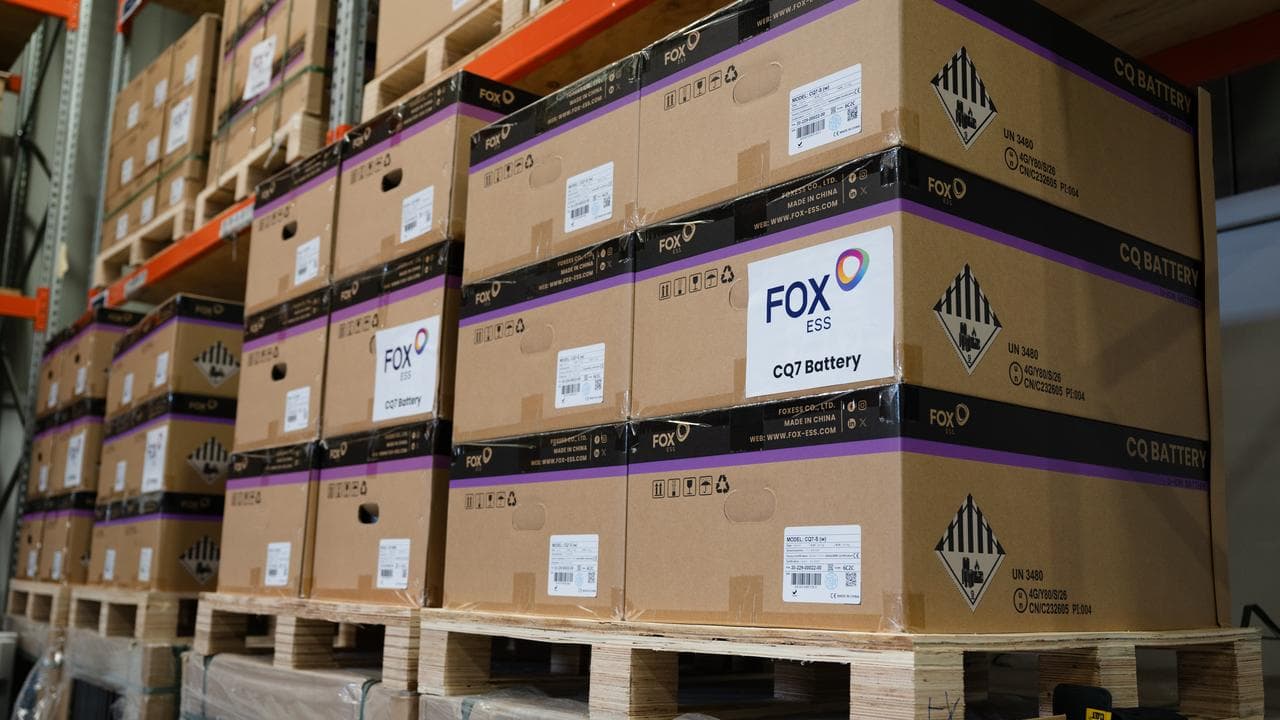
More than half a million Australian households have installed a battery to tap into their own energy, government figures have revealed, in a trend experts predict will continue to lower electricity prices.
But action is needed to address households missing out on the current subsidies, they say, including apartment dwellers and renters.
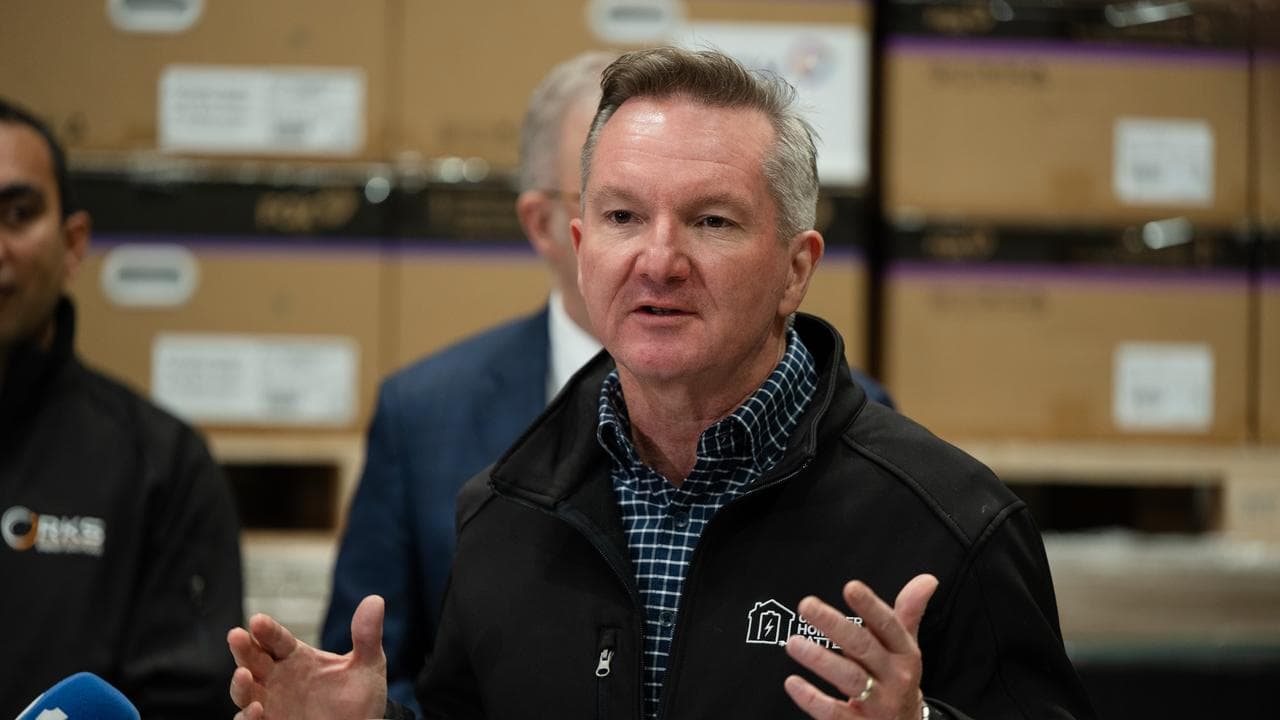
Prime Minister Anthony Albanese and Energy Minister Chris Bowen announced the milestone in Sydney on Friday, revealing more than 507,000 households installed a battery under a national scheme launched in July 2025.
The Cheaper Home Batteries Program discounted the price of small-scale battery systems connected to solar panels by 30 per cent for Australian homes, businesses and community organisations at a cost of $7.2 billion over four years.
The scheme had proven particularly popular with home owners outside cities, Mr Bowen said, in electorates such as Hume, Mitchell, Greenway and Macquarie in NSW, Wright in Queensland, and Mayo in South Australia.
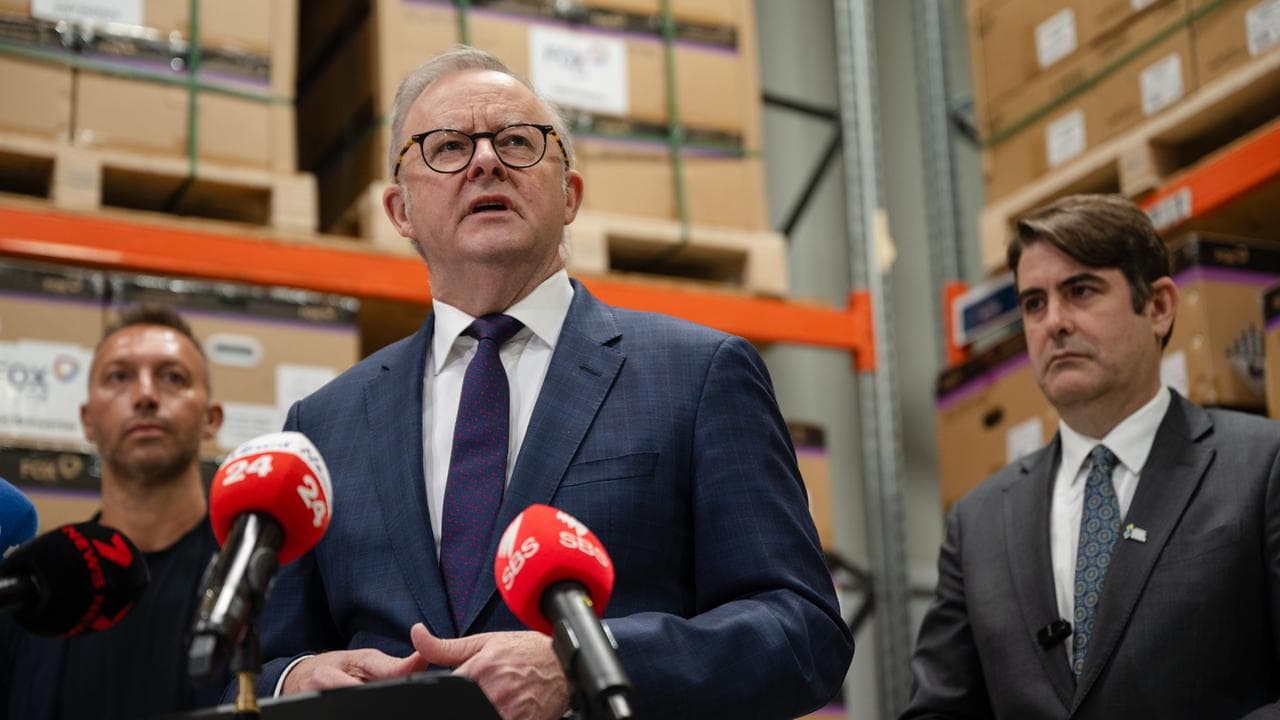
“Mainly, it’s an outer suburban, regional story,” he said.
“We’re seeing some electorates with more than 10 per cent of the houses now having cheaper home batteries.”
Passing more than half a million installations was a significant milestone, Smart Energy Council chief executive David McElrea said, and a testament to widespread support for renewable energy generation.
“A few years ago, home batteries were a niche technology,” he said.
“Today, they are a mainstream, essential component of how Australians power their lives, save money on electricity bills and build a cleaner energy grid.”
While each household battery is not large, Climate Energy Finance director Tim Buckley said together they had made a major difference to energy demand, and could reduce power prices this year and the next.
“You can have your solar during the day, you can use that to charge your battery, and the battery is big enough on average to power most houses through the night as well,” he told AAP.
“The amount of capacity installed collectively is dramatic, it is world-leading, it is in the top three.”
The battery scheme had also encouraged home and business owners to install additional solar, Mr Buckley said, and the government should broaden future subsidies to help more residents tap into renewable energy installations.
“Ultimately, we must still address the fact the vast majority of younger Australians either rent or live in apartments and they’re the most vulnerable to cost-of-living pressures,” he said.
More than 4.5 million households have installed solar panels in Australia, according to the Clean Energy Regulator, including more than 187,000 added this year.


