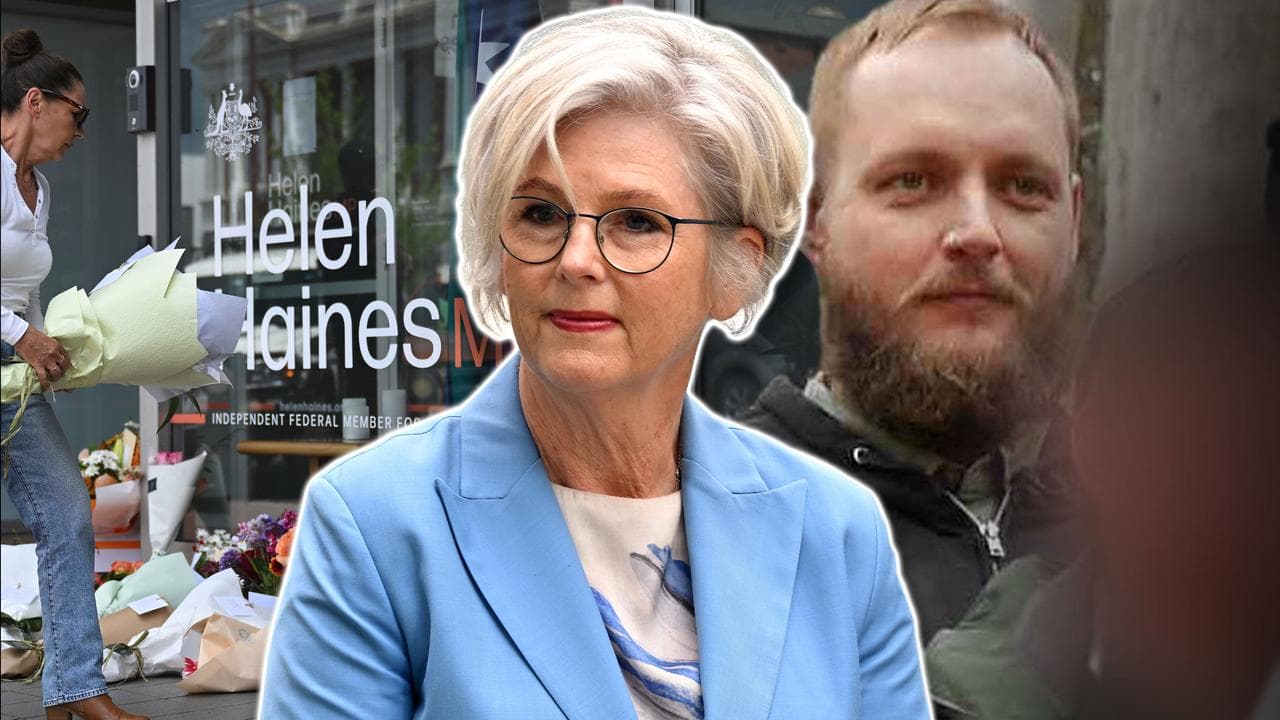
The impacts of isolation, social media and mental health service gaps are in the spotlight following an alleged deliberate attack on MP Helen Haines.
Dr Haines underwent the amputation of both her legs after 43-year-old Brendan Nugent allegedly deliberately struck her with his four-wheel drive.
She remains in a critical condition in Melbourne's Alfred Hospital.
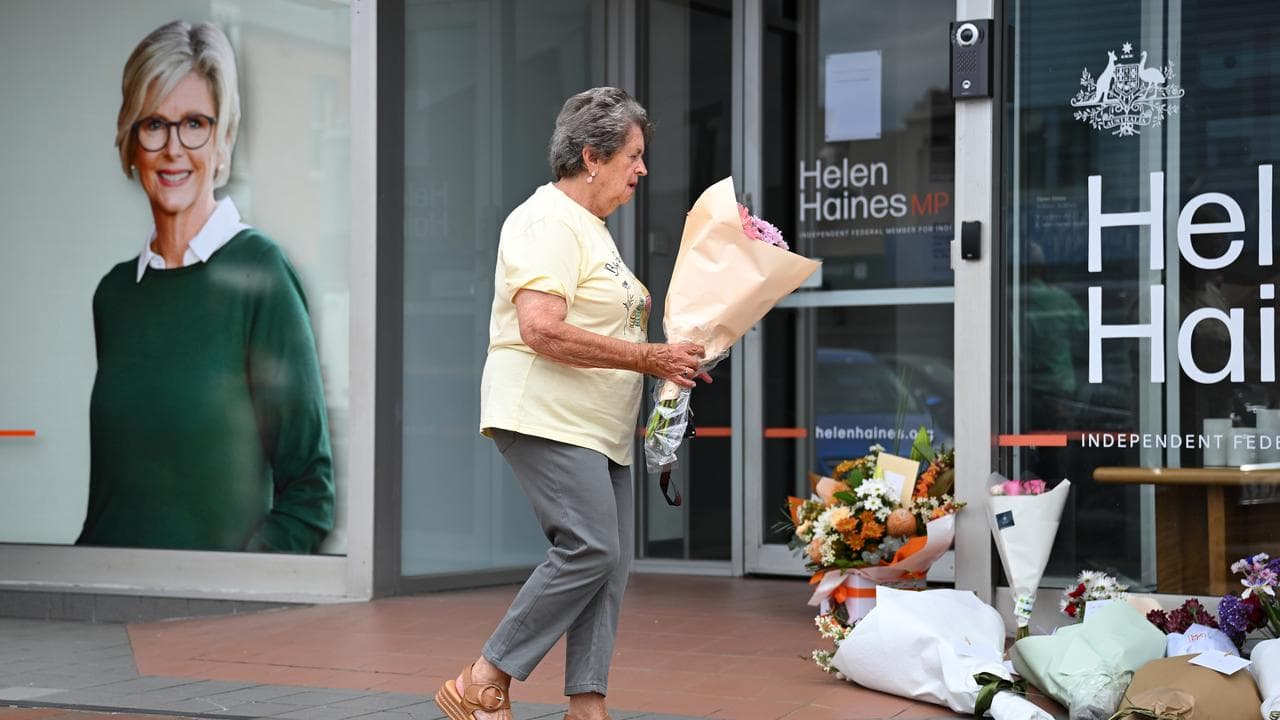
The alleged attack took place on Monday outside Dr Haines' electoral office in Wangaratta, about three hours northeast of Melbourne.
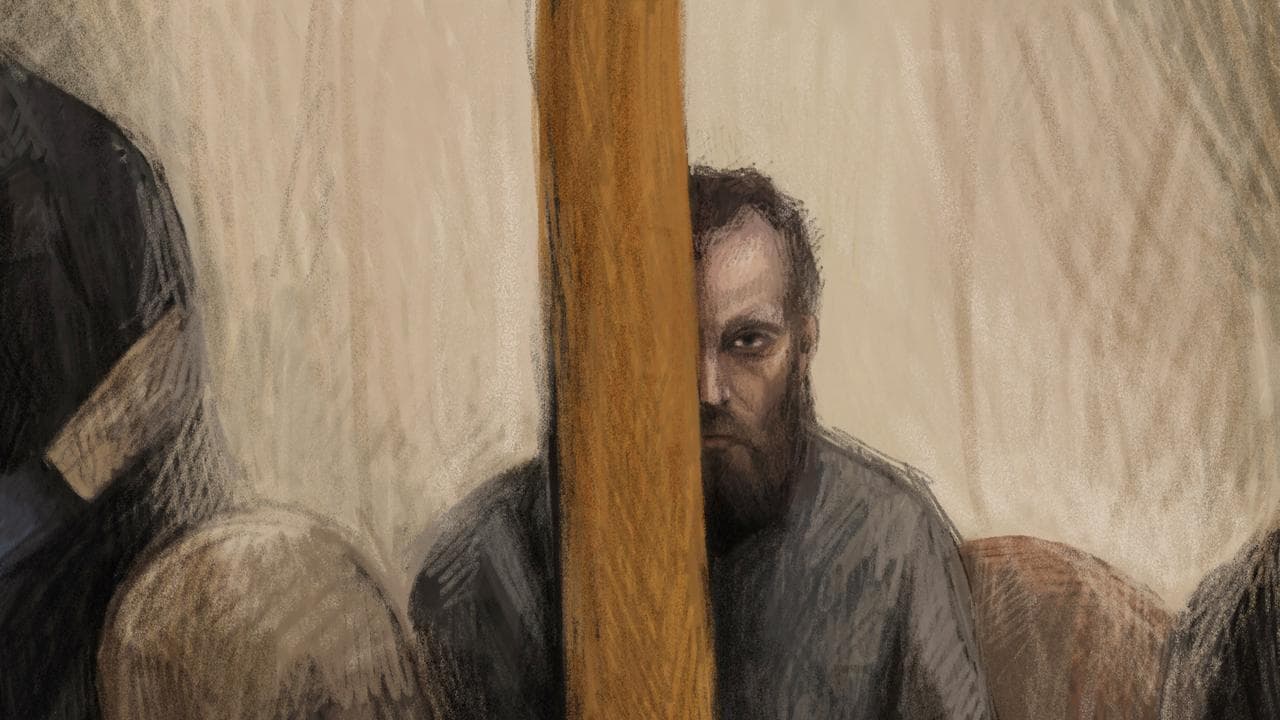
Nugent, who neighbours have said lived alone on a remote property in nearby Tarrawingee, appeared briefly in court on Wednesday charged with offences including dangerous driving causing serious harm.
His lawyer Chirag Patel told the court Nugent had not previously been diagnosed with any mental health issues, but he was concerned for his client's psychological wellbeing and wanted him assessed.
While the motivations which led Nugent to allegedly carry out the attack are unclear, experts say regional settings may contribute to a downward spiral if mental health issues are left unchecked.
Strains such as financial or relationship issues could become more pronounced in regional settings, Griffith University criminology expert Keiran Hardy said.
“It's certainly not as simple as just people from rural areas are at greater risk, but I do think there are contributing factors which we can see in those areas,” Dr Hardy told AAP.
“For example, lack of access to mental health support.”
Gaps between mental health services and law enforcement could be more pronounced outside cities which meant people fell through the cracks, he said.
“Even where there are eyes on them it can be hard to connect the dots a lot of the time,” Dr Hardy said.
“In rural situations there's even fewer eyes on people.
“If there fewer people in the community checking in, people can become more isolated.”
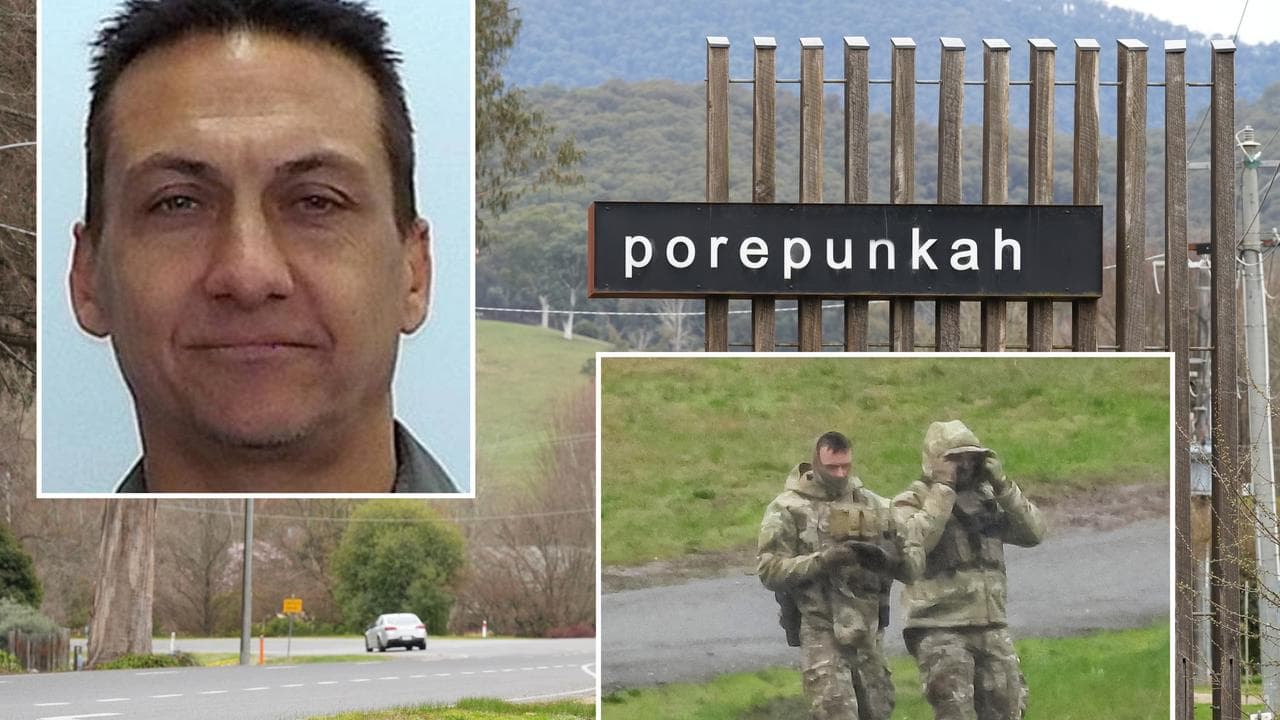
Southern Cross University professor and former magistrate David Heilpern studies the anti-government sovereign citizen movement with which police killer Dezi Freeman identified.
In August 2025, Freeman shot and killed two police officers trying to carry out a search of his remote property in Porepunkah, an hour south east of Wangaratta.
There is no evidence to suggest Nugent identified with the sovereign citizen movement, but police have said they will investigate any potential links.
There tended to be a much higher concentration of sovereign citizens outside urban areas, Prof Heilpern said.
In 2022, brothers Gareth Train and Nathaniel Train and Gareth’s wife Stacey Train, who lived at a remote property four hours west of Brisbane in Wieambilla, shot and killed two police officers after engaging with anti-government and fringe religious ideologies.
“It’s a horse and cart argument,” Prof Heilpern said.
“Do they isolate first?
"Dezi made himself more and more remote as he cut himself off from society."
Violence against public officials was rising and was often perpetrated by people who felt isolated or on the fringes of society, Charles Sturt University political scientist Dominic O'Sullivan said.
Social media created an echo chamber, while sections of traditional media encouraged outrage and anger, he said.
"If people are constantly angry and that anger is validation by from what they would see as an authoritative news source, then one has to ask whether that has an impact and what kind of impact it has," Professor O'Sullivan told AAP.
Lifeline 13 11 14
beyondblue 1300 22 4636


