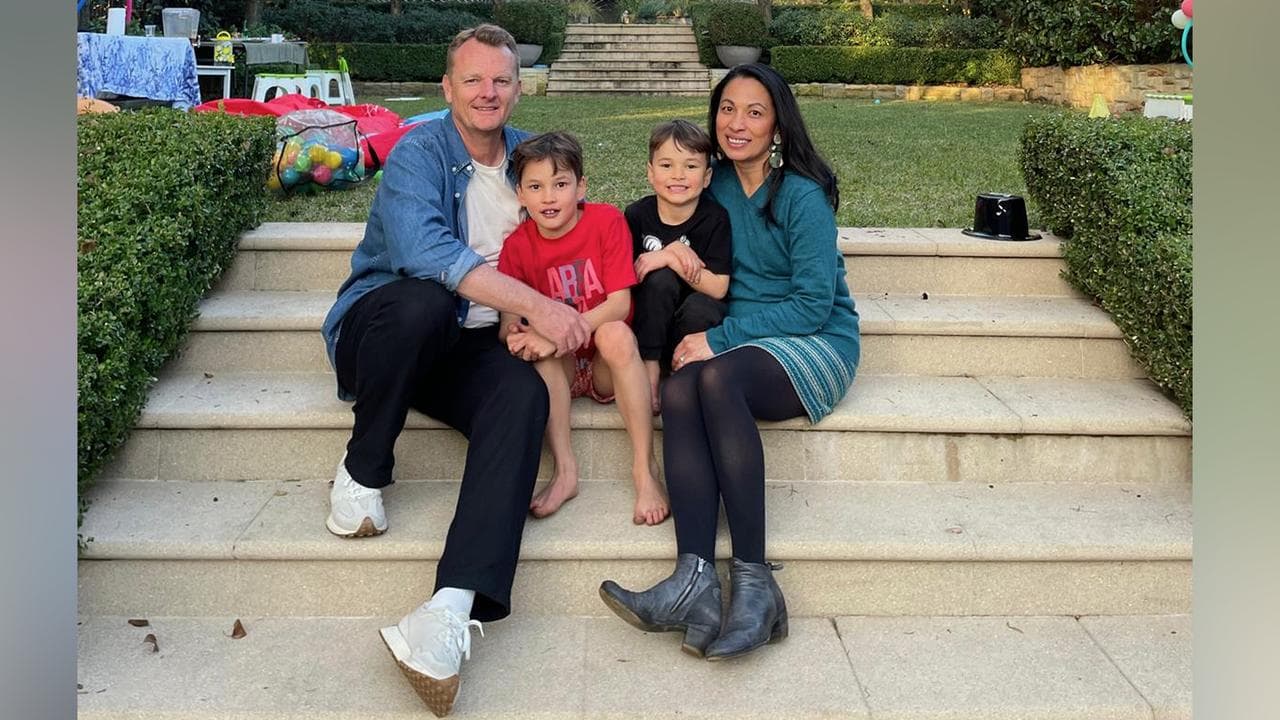
When the cake is cut at a friend's birthday party, nine-year-old Edward knows he won't get a slice.
It was a similar story at daycare, where the NSW student learned to expect a bowl of muesli when his classmates were given cupcakes.
Food allergies have been a part of his life since he was seven months old and the list of off-limit ingredients has only grown - from milk, to cashews and a variety of other nuts, and now shellfish too.

It doesn't seem to bother him much but for his mum, Natalie Nguyen, the fear his allergies might set him apart from his peers can be overwhelming.
"It's a little heartbreaking because he watches everyone else eating things and has to wonder what it tastes like," she told AAP.
"I worry about kids feeling ostracised and like they're always the odd kid out."
Edward's experience is not unique, with food allergies affecting an estimated one in 10 Australian kids.
Allergic disease is among Australia's greatest public health challenges, touching about a third of the population.
The toll goes beyond the individual, with allergies estimated to have cost the national economy about $18.9 billion in 2024, according to a 2025 Deloitte Access Economics report.
The figure is largely made up of productivity losses, such as work absences, as well as efficiency losses and health system costs.
The federal government has taken steps to tackle the rise of allergies in recent years, including the creation of peak research body, the National Allergy Centre for Excellence, in 2022.
But experts say more funding is required for cutting-edge research.
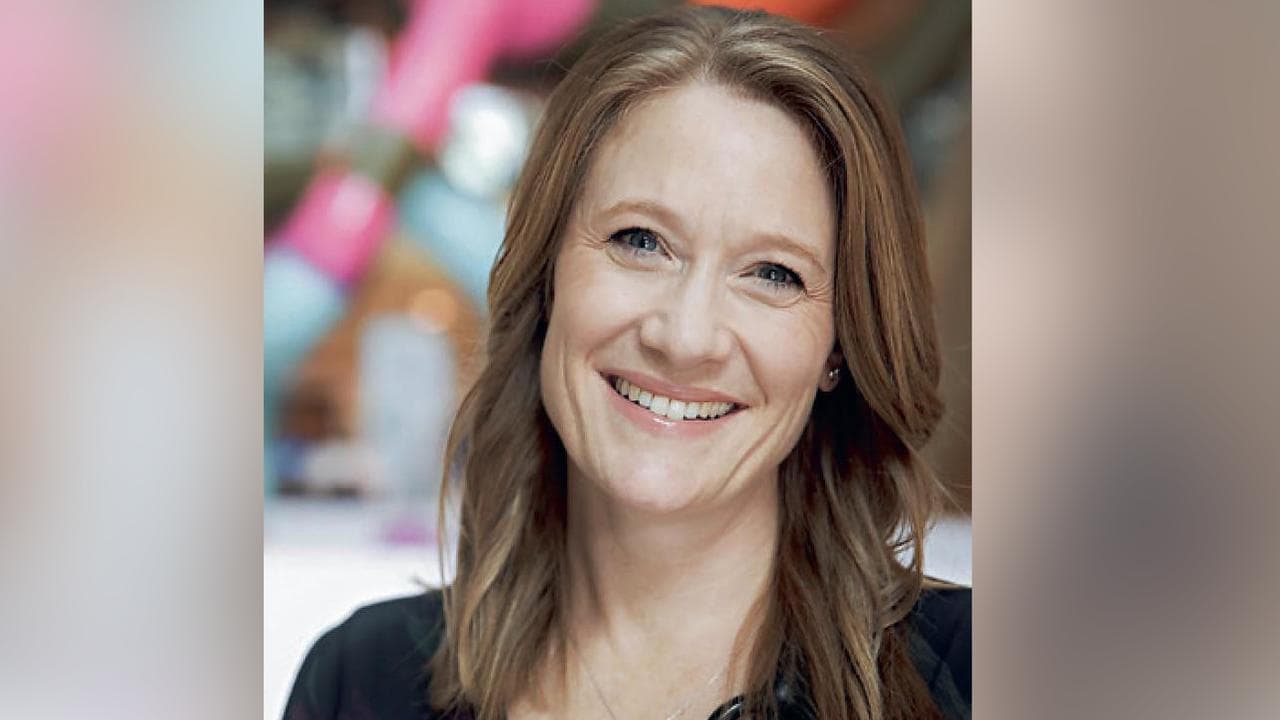
"There is so much more work to do," said NACE director, professor Kirsten Perrett.
"We need more investment in our researchers, and more funding for studies and clinical trials to explore the underlying mechanisms, discover and test novel treatments and prevention approaches and to improve care for people living with allergies."
It's a cause close to Ms Nguyen's heart, who warns Australians against growing complacent in the search for more effective treatments.
"I still have hope that one day we’re going to see a magic pill and then they’ll all be OK," she said.
While there are signs new feeding guidelines have halted the rise of food allergies among infants, Dr Perrett says the same cannot be said for other allergies.
Hayfever is the most common allergic condition in Australia, followed by eczema, asthma and food and drug allergy.
The drivers behind each are unique, but Dr Perrett says the overall rise in allergies has much to do with a lack of exposure to allergens in early life.
"It is very important that developing immune systems be exposed early in life to allergens and environmental exposures," she said.


