Australia’s law banning under-16s from social media does not stop young people from being exposed to harmful content, a lawyer for a major platform has argued.
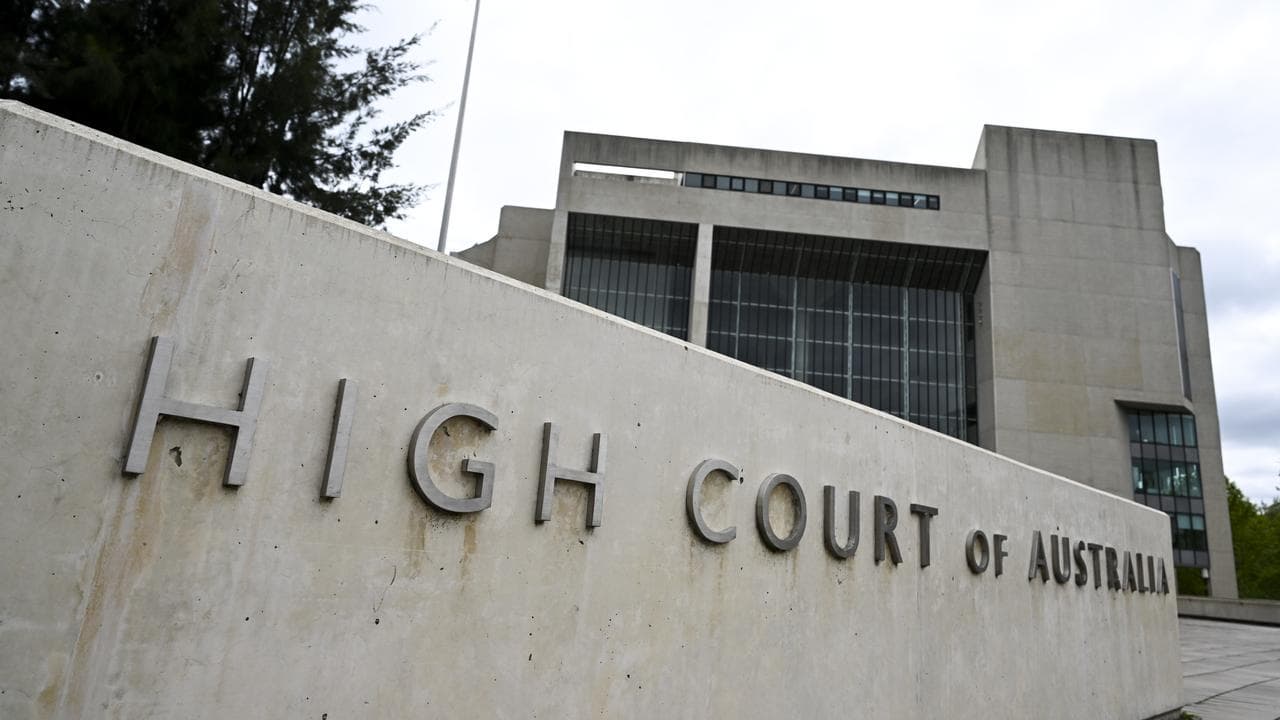
The High Court of Australia is being asked whether limiting political engagement outweighs the harm done by social media platforms.
The Digital Freedom Project, an association advocating for the rights of young people to use media, and US-based social platform Reddit, have launched legal action against the Commonwealth, arguing the ban goes too far in burdening the implied freedom of political communication.
A two-day hearing before all seven justices began at the High Court on Tuesday, when one of Reddit's barristers, Perry Herzfeld SC, argued the government's legislation was "ill-targeted" and inaccurately captured the forum-based platform in the ban.
The ban bars children under the age of 16 from holding accounts on 10 digital platforms, including TikTok and Meta platforms Facebook, Instagram and Threads.
Mr Herzfeld submitted the ban did not stop children or young people from being exposed to dangerous online content, as some platforms do not require people to hold an account or be logged in to view content.
Reddit barrister Jackson Wherrett said four alternatives had been identified, including more regulation of design features such as the prohibition of push notifications and imposition of time limits to stop endless scrolling.
Mr Wherrett also cited the Labor government's digital duty of care bill, which would place the legal responsibility on tech platforms to proactively secure their systems rather than relying on users to report harms.
A feature of the bill would allow users to opt out of their personalised algorithms.
Reddit's submissions were echoed outside the court by Renee Jones, whose 16-year-old son, Noah, is a founding member of The Digital Freedom Project, which launched the challenge in the lead-up to the ban beginning in December 2025.
A second challenge emerged days later from Reddit, which argued the ban raised issues on privacy and political expression.
Speaking outside the court, Noah said young people should be able to share their views online, arguing that otherwise they would be “spectators in their own world”.
"They shouldn't be shut out," he said.
His mother said the ban would leave young people ignorant about safe online interaction and the dangers that came with being on social media.
"I want my son to grow up into a young Australian man who is resilient, who is responsible online, who can identify the dangers, and who is able to vet some of these things," she said.
Noah and another then-15-year-old, Macy Neyland, were originally named as plaintiffs in the case.
But the pair were removed over concerns they could be held liable for legal costs, should the case fail.
The effectiveness of the ban has been frequently called into question.
The Commonwealth's legal team began their submissions on Tuesday afternoon, with Joanna Davidson SC identifying what she said were seven credible risks posed by social media platform designs and features.
Children and young people's developing brains were particularly susceptible and vulnerable to these risks, Ms Davidson said, and parliament did not need further comprehensive proof to act.
Their submissions will continue on Wednesday.
A July report by the eSafety Commission, which enforces the ban, said more than five million Australian accounts had been removed or deactivated.
But the effectiveness of the ban has been frequently called into question, as four in 10 children aged 10 to 15 remained active on social media three months after the ban began, down from 52 per cent.
The government has acknowledged concerns the bill might impinge on the rights of children, but it believes the ends justify the means.


