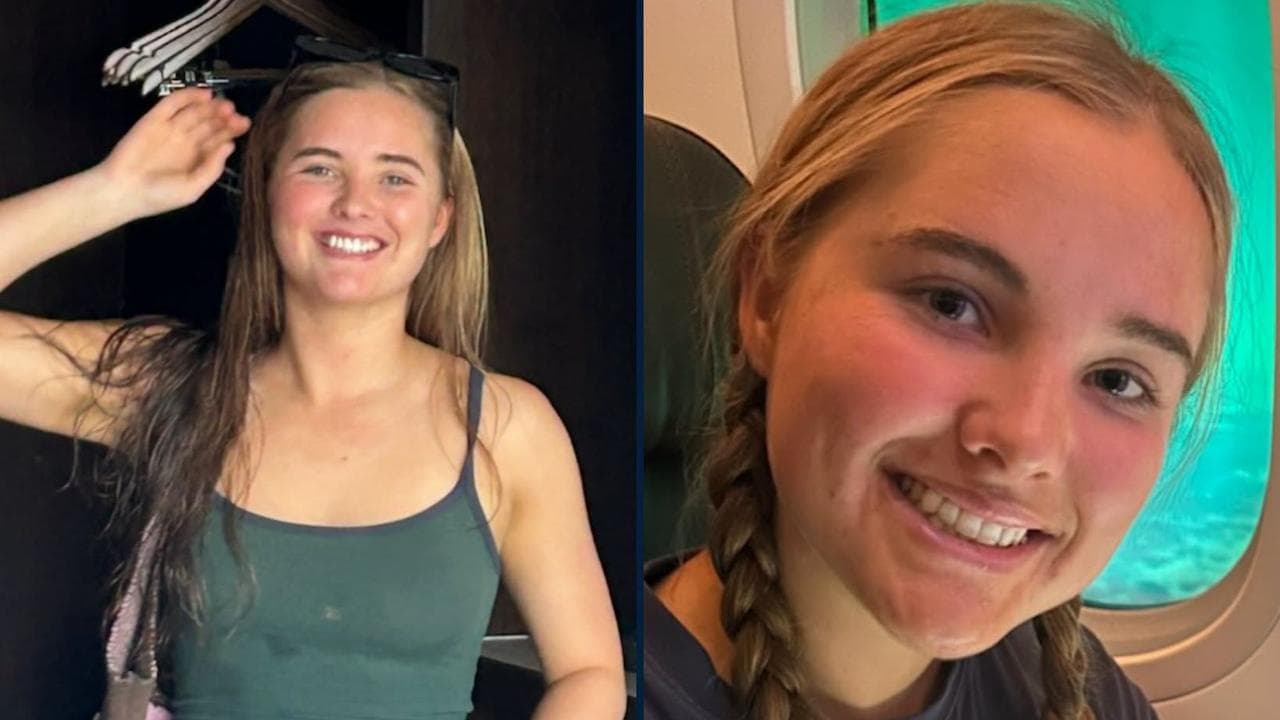
A teenage hiker missing for more than a week before being found dead will receive a special honour from her state, as her father highlights the dangers of the bush.
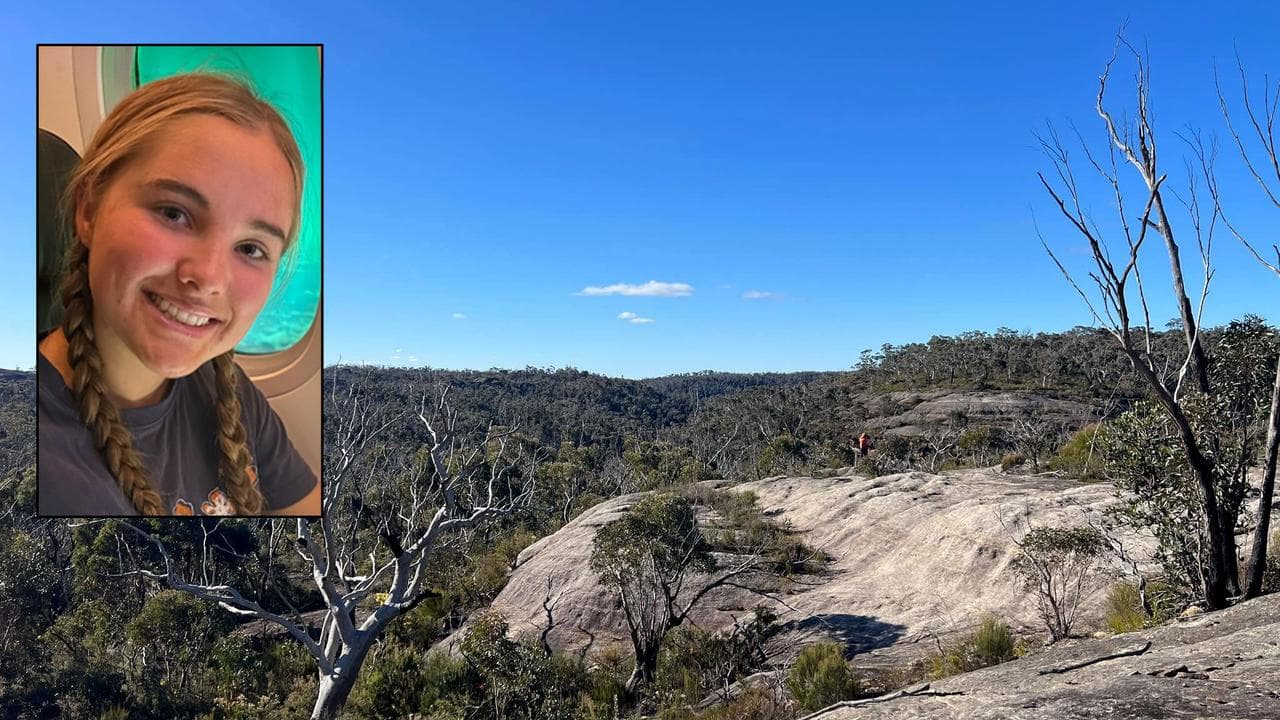
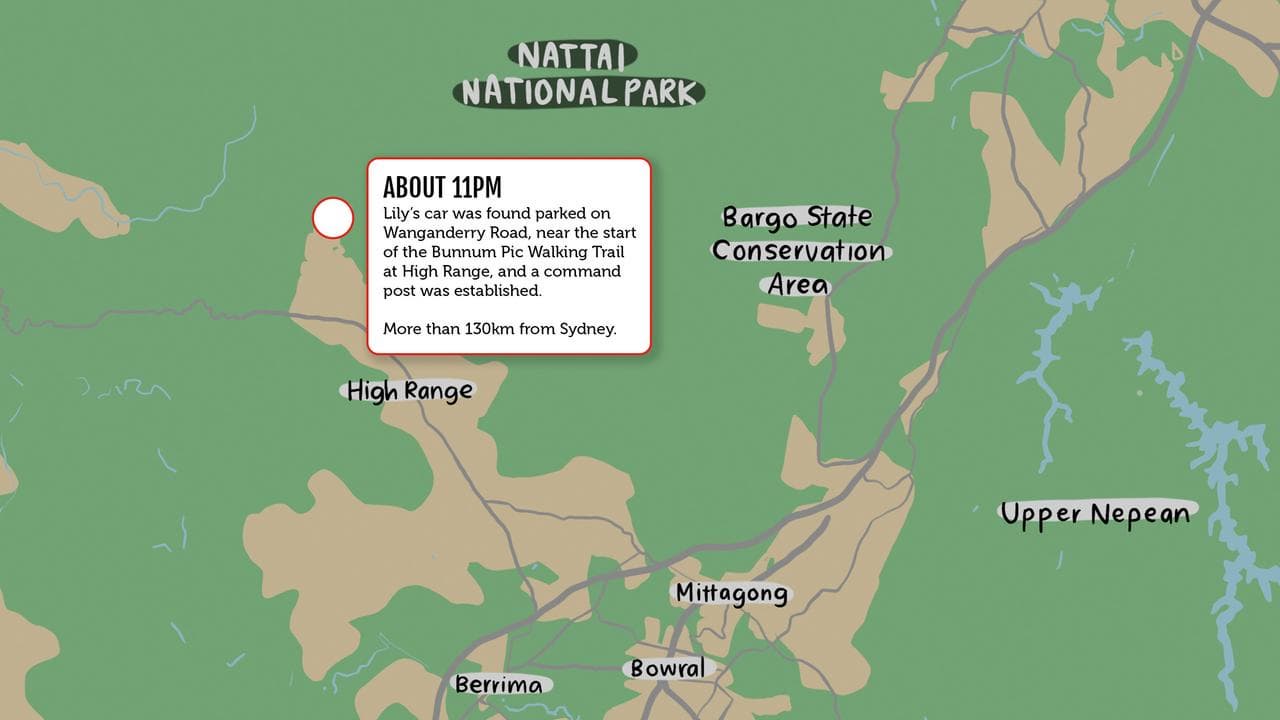
Lily Hooper, 18, was found dead on Thursday, eight days after leaving her home in Oakdale, southwest of Sydney, for a day-long hike in Nattai National Park.
Her father has asked the government to consider flying the flag on Sydney Harbour Bridge, where Ms Hooper worked as a tour guide, at half-mast.
NSW Premier Chris Minns confirmed he was in contact with the family and the state was planning to honour the teenager.
“I want to talk with them and work on it together, but we’ll do something special for Lily,” he said.
“In recognition of her life, but also in recognition of the fact … Lily was doing everything right, getting out into public, getting out into the wilderness, seeing nature, living her best life.”
A park in her local area hosted an array of purple candles and flowers in Ms Hooper's honour over the weekend.
Jim Hooper said he wanted his daughter's death to help raise bush safety awareness.
“It’d be good if there was a legacy that was left like a Skye’s Law, Jack’s Law ... Lily’s Law," he told Seven on Sunday.
"That’s about the awareness of going out in the bush with (radio beacons), tracker devices, Garmin, Navman type devices... the bush can swallow you up."
Geospatial scientist Krystal Dacey told AAP disappearances were a risk for hikers of all experience levels.
“From my work on lost people, I can say that high levels of wilderness experience does not prevent a person from getting lost,” she said.

Ms Dacey said traditional bush safety recommendations remained relevant - including the use of personal locators.
Considering navigation itself as a risk could also help prevent hikers from becoming lost, she said.
Authorities recovered Ms Hooper’s body on Thursday evening, found a significant distance from where she left her car.
Almost 1000 people were involved in the search, including personnel from the defence force, police and fire rescue along with about 200 State Emergency Services volunteers.
Search and rescue specialist Paul Luckin said the searchers would also be affected by the tragedy.
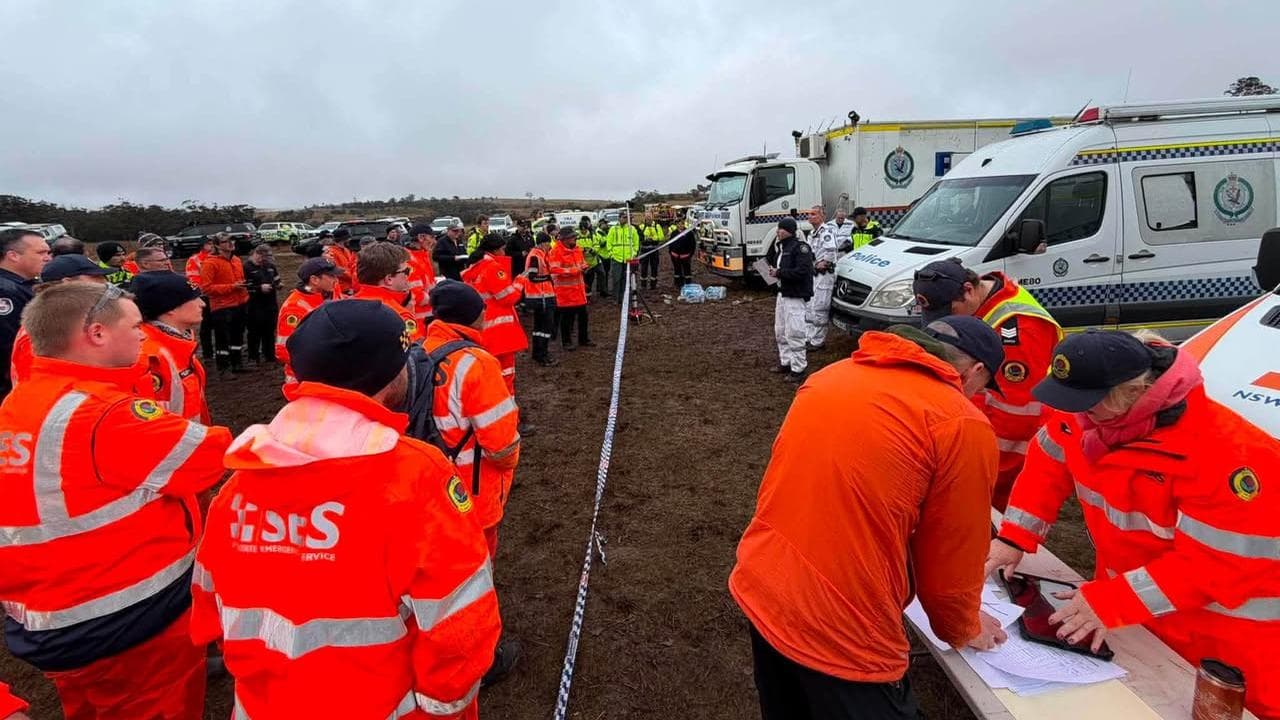
"(Their) determination to succeed and their emotional imperative to find the missing person and find them alive is very high," he told AAP.
"Not finding (a missing person) can have a devastating effect on people involved in a search, and even worse is finding them, but finding them deceased ... it is mentally extraordinarily damaging."
Multiple agencies are investigating an internal miscommunication, after Ms Hooper’s parents were initially wrongly led to believe their daughter was found alive.
Police Commissioner Mal Lanyon has apologised over the incident.
Mr Luckin said communications were extremely difficult to manage in the field and prone to mix-ups.
"Inaccurate communication can have disastrous consequences, where a message is either misheard or poorly heard or heard but misunderstood ... that can be absolutely devastating on the families as well as individuals involved," he said.
"(But) there is no easy answer to communications. You can have the best equipment and the best training, but the environment that you're in can make it absolutely impossible.”


