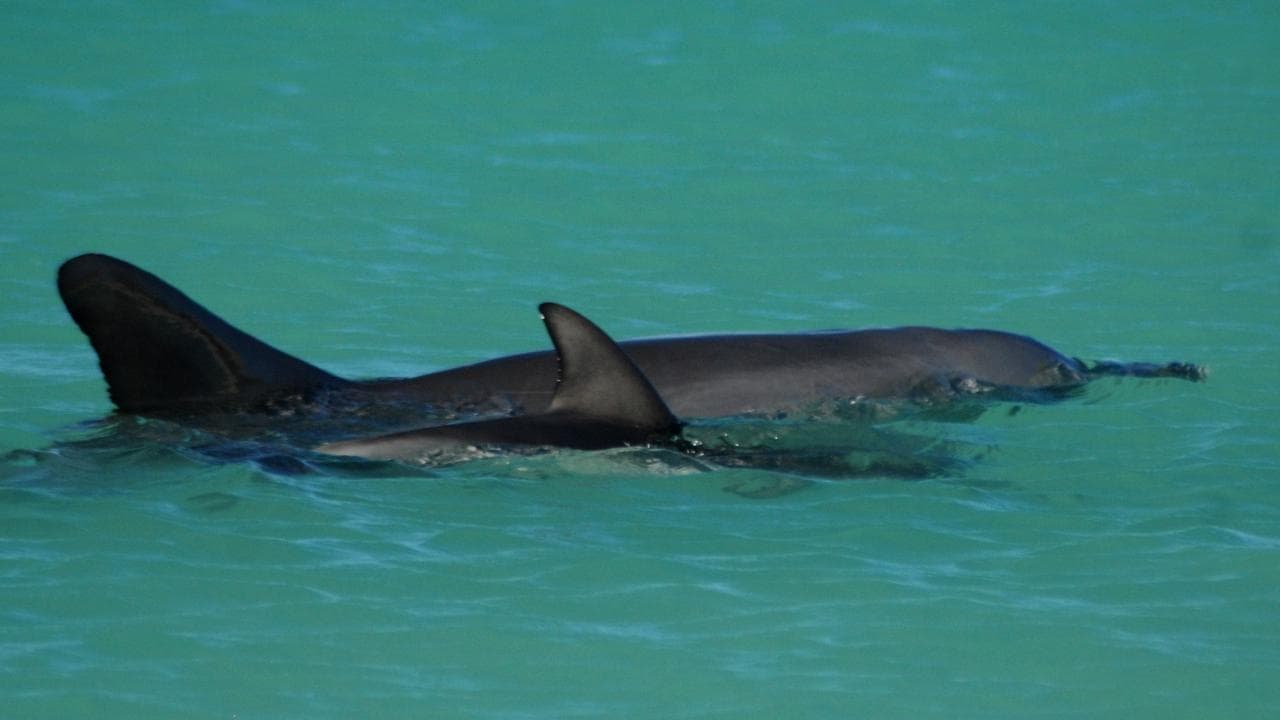
Researchers will be evacuated from a World Heritage island to protect their mental health amid a worsening bird flu outbreak, as it emerges a dolphin has tested positive for the virus.
The Australian Antarctic Division says it will withdraw staff from the Australian territory of Macquarie Island in the Southern Ocean to protect the psychological wellbeing of its scientists.
South Australia - the state hardest hit by bird flu - on Friday reported 46 new events, including the first detection of the virus in a common dolphin.
Other species to succumb to the virus include a fox, a brown falcon - the first Australian detection of the H5 strain in a bird of prey - and an Australian raven.
Tasmanian authorities on Friday said about 100 penguins had been found dead from an unknown cause on King Island, in the Bass Strait.
The animals' decayed condition meant they were not considered suitable for H5 bird flu testing, Tasmania Parks and Wildlife Service said.
Authorities are working to improve feral cat control on the island and reduce their threat to resident bird species.
"While assessments of the site have identified injuries on many of the birds, it is not possible to definitively determine the cause of death from the information currently available," spokesperson Brendon Clark said.
Australian authorities say the risk to human health from bird flu remains low.
However, there are fears that a significant mortality event during the upcoming seal breeding season could cause severe psychological distress to expeditioners on Macquarie Island.
The island is home to several species of seals, with more than 80,000 southern elephant seals, and millions of breeding seabirds including multiple penguin species.
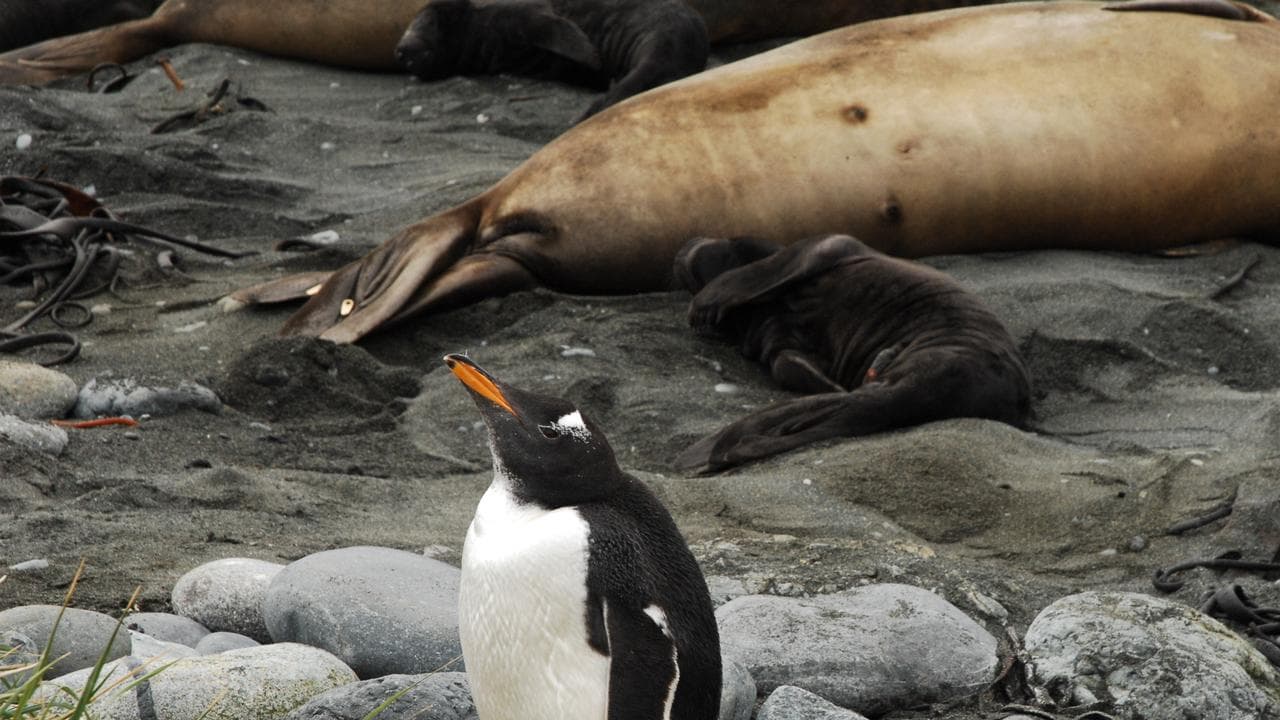
While the island is officially yet to be impacted by bird flu, the government's decision indicates it is taking the likelihood of the virus reaching its shores seriously.
The Department of Climate Change, Energy, Environment and Water is predicting a high likelihood of a significant mortality event during the upcoming breeding season.
The island, where 24 expeditioners live and work, was established on the Southern Ocean island in 1948. It is roughly halfway between Tasmania and Antarctica.
The health of expeditioners had to be the highest priority, the department's deputy secretary Sean Sullivan said.
"Our expeditioners already live and work in one of the world’s most remote and challenging environments," he said.
"It is important that we minimise any additional risks that could affect the well-being of our people and the safe operation of our stations."
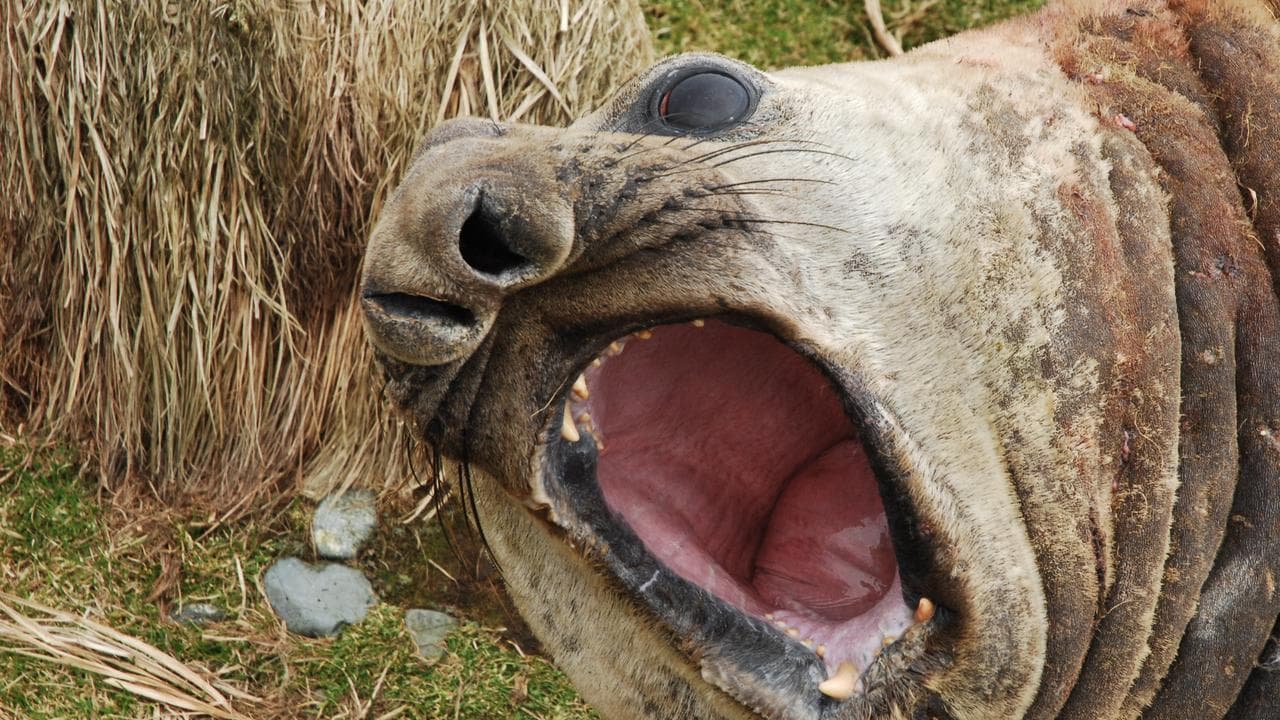
Elephant seals have proved particularly susceptible to H5 bird flu, with pup mortality rates of more than 90 per cent discovered in some colonies in the sub-Antarctic external territory of Heard Island and McDonald Islands.
A bird flu outbreak on Macquarie Island would be devastating, Mr Sullivan said.
"There would be thousands of deaths. You can imagine the impacts that would have in terms of being restricted to base," he told the ABC.
"Obviously the distress of being around a mass mortality event, as well as impacts with respect to air quality ... that would have long-term impacts on staff."
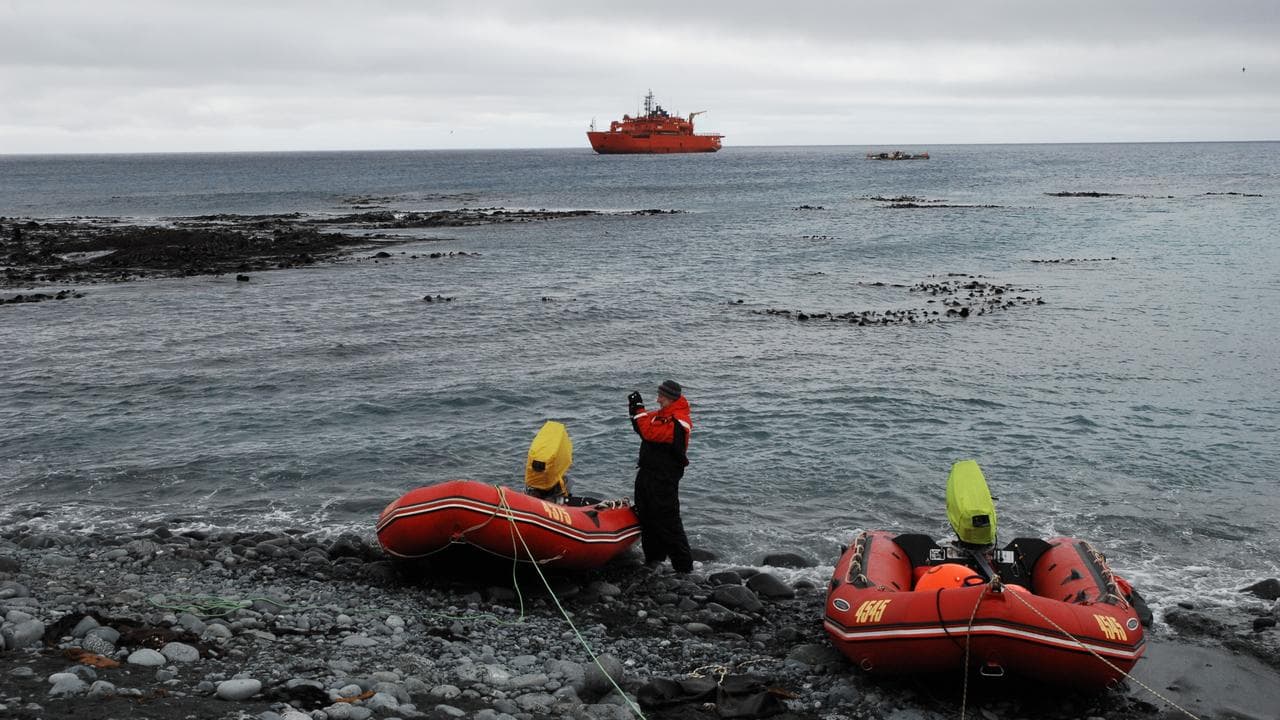
Australia’s icebreaking research and supply vessel, RSV Nuyina, will travel to the island in early October to pick up workers and essential cargo.
The department said sending the Nuyina to extract its staff from Macquarie Island was a significant undertaking.
It said it was taking the precautionary measure as an unplanned evacuation could take months or disrupt the work being undertaken on other Antarctic stations.
The department said the situation at Macquarie Island was different to Australia’s Antarctic stations, where stringent H5 bird flu preparations can manage risks for expeditioners.
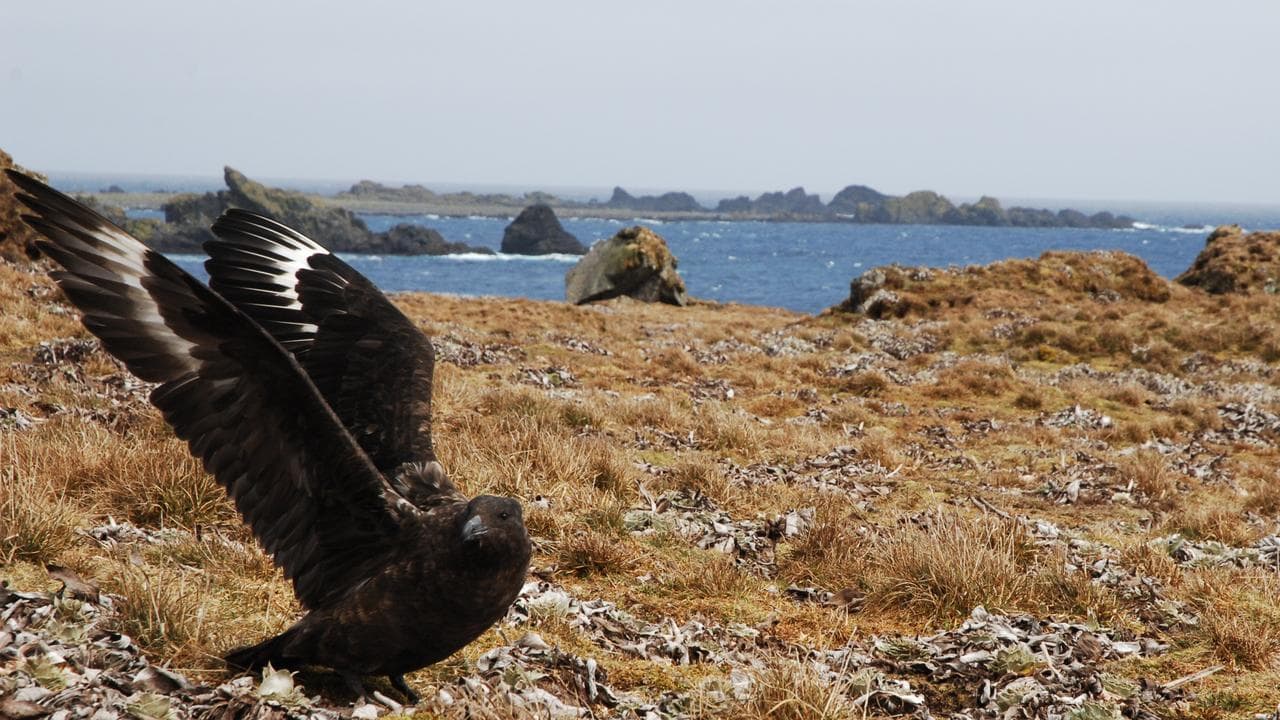
Because of the island’s remoteness and harsh conditions, active control measures for wildlife are not currently planned.
Rabbits, rats and mice have all been eradicated from the island.
Mr Sullivan said the Australian Antarctic Division was exploring options for monitoring the situation on Macquarie Island, with a view to returning expeditioners to the station in coming seasons.
"We remain committed to maintaining a long-term presence on Macquarie Island," he said.


