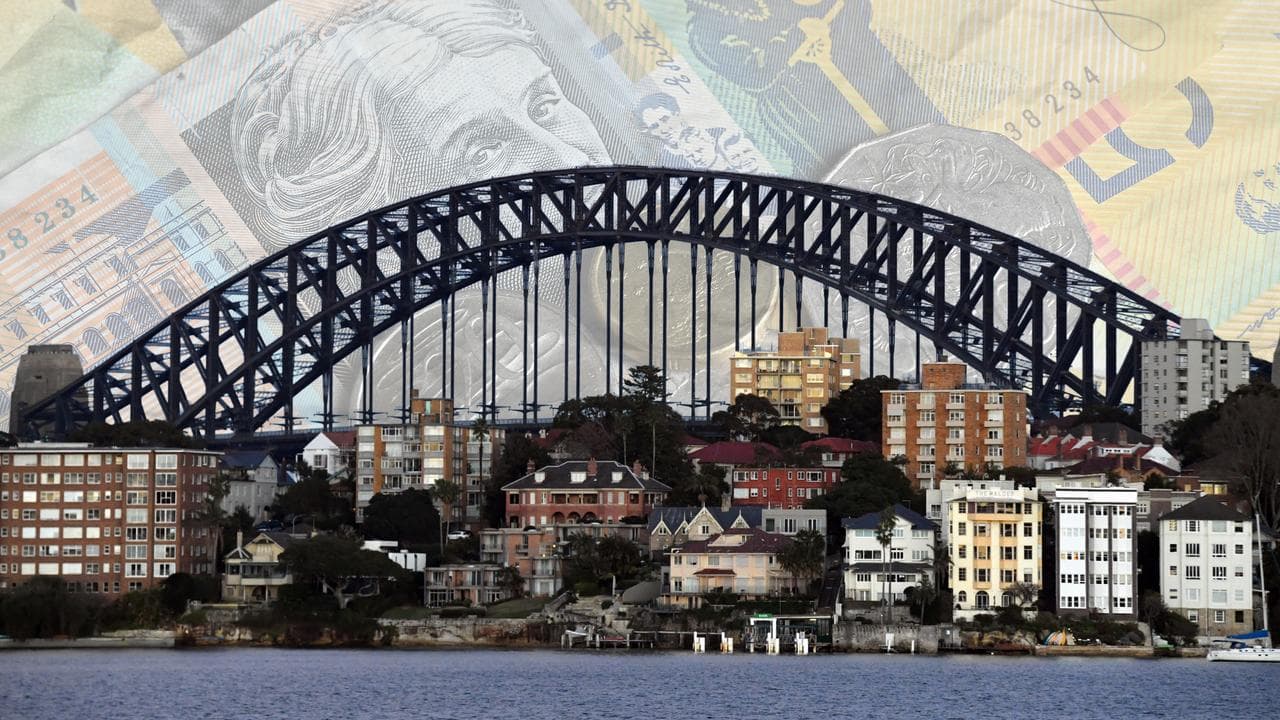
The vast majority of home owners are selling their properties for more than they bought them for, even as house prices enter a tailspin.
Despite warnings that Australians could end up in negative equity and financial distress as a result of the accelerating housing downturn, only a small portion of resales made a loss in the first half of 2026, according to real estate platform Domain.
Its latest Profit and Loss report, released on Wednesday, showed 97.4 per cent of houses sold in the six months to June made a profit, with the median gain reaching a new high of $458,000.
But the share of houses sold for a profit was down 0.1 per cent from the previous six months, which could signal the start of a larger decline in profitability, Domain chief economist Nicola Powell said.
"It does show that first crack in profitability," she told AAP.
"Resale profitability is a lagging indicator that tends to follow changes in home pricing."
The share of houses that sold for a loss in Sydney rose from 2.0 per cent to 2.4 per cent, while in Melbourne the share of loss-making houses increased from 4.4 per cent to 5.7 per cent.
"We've seen a decline in the proportion of houses being resold for a profit in Sydney and Melbourne, and that's really aligning to what we're seeing in market conditions, where we have seen a strong deterioration in price," Dr Powell said.
Dwelling prices in Sydney and Melbourne fell 1.4 per cent and 1.2 per cent, respectively, in July, according to property data firm Cotality.

The federal opposition claimed the downturn risks sending first home buyers who have accessed the government's five per cent deposit scheme into negative equity - meaning they owe the bank more than the property is worth.
“It's clear that the Albanese government doesn't understand that they're deliberately crashing Australians' wealth," said shadow treasurer Tim Wilson, who blamed Labor's changes to property investor tax breaks for the falling housing market.
But in a speech in July, Reserve Bank governor Michele Bullock said negative equity was affecting fewer than one per cent of borrowers and financial stability risks were contained.
Although the shadow treasurer attacked the government over the downturn, opposition housing spokesman Andrew Bragg has previously said he wanted house prices - especially entry-level homes favoured by first home buyers - to fall by as much as six per cent.
While falling house prices will put more Australians into negative equity, it only becomes a problem when homeowners are forced to realise the loss with a sale.
Given unemployment and default rates were relatively low, most households would just hold off selling, Dr Powell said.
"This is not a freefall of property prices," she said.
"It will get to a point where the market will stabilise, and that's because you'll see a pullback in sellers because they just don't want to sell in a falling market."
Other factors will also put a floor under property prices.
As well as Australia's ongoing shortage of housing stock, the rising cost of building new homes - which was 51 per cent higher than at the end of 2019 - would prevent a dramatic decline in prices, Ray White chief economist Nerida Conisbee said.
"When established housing becomes cheaper than delivering new supply, projects stop stacking up,'' she said.
"Construction slows, fewer homes are added and the shortage becomes worse.
"Buyers are then pushed back towards established housing, limiting how far prices can sustainably fall."


