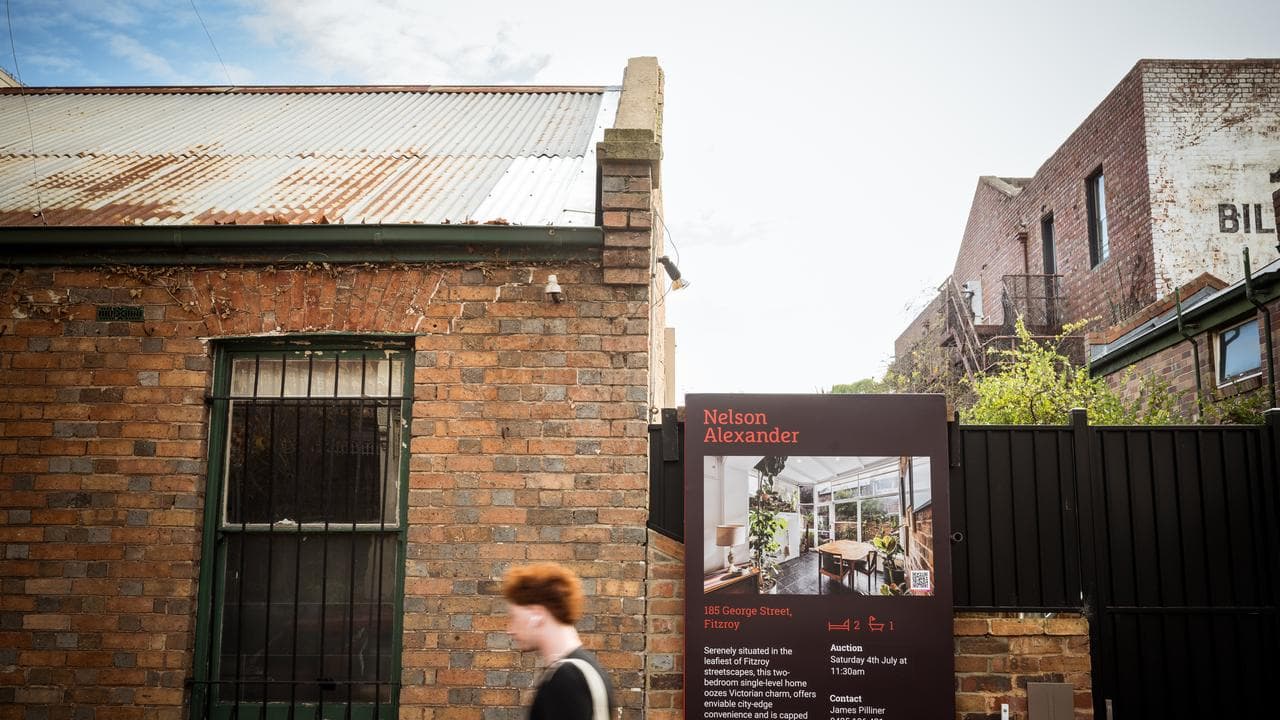
The data centre boom is expected to boost Australia's economy even as the deteriorating housing market weakens consumption, the Reserve Bank says.
In an updated set of forecasts released on Tuesday as it held the cash rate at 4.35 per cent, economists at the central bank said weaker housing market conditions would weigh on GDP growth in 2026.
Property prices have already fallen by 1.6 per cent since their March peak and will further slow an economy already negatively impacted by three interest rate rises since February and the Middle East war.
GDP growth is expected to ease below two per cent in 2026, which will help get inflation back down towards the RBA's 2-3 per cent target range.

Both headline and underlying inflation are forecast to get back to the bank's point target of 2.5 per cent by early 2028.
"Housing prices are assumed to continue to decline gradually for a period, reflecting the tightening in monetary policy earlier in the year, tax policy changes and the general economic environment," RBA economists said in the Statement on Monetary Policy on Tuesday.
While the RBA produces its own housing price forecasts, it also relies on estimates produced by market economists at the major banks.
Earlier on Tuesday, ANZ Bank economists doubled their expectations for how far property prices would fall in 2026.
"It is clear the combination of restrictive interest rates, recent tax policy changes and global uncertainty have dampened sentiment in the market," said ANZ economists Madeline Dunk and Adam Boyton.
They now expect a 10.6 per cent decline from the peak of prices to the trough in capital cities during 2026 and 2027.
Sydney is tipped to lead the way down with a 14.5 per cent loss, slashing nearly $190,000 off median values.
Lower housing prices will weigh on consumption by reducing household wealth, the RBA said.
It will also lower economic activity through reduced turnover of homes.
"Weaker housing prices also reduce the incentive to build new homes, although this channel is expected to be smaller than it has been historically, given the large pipeline of work yet to be done," the RBA said.
But the bank revised up its growth forecasts for the 2026/27 (1.5 per cent) and 2027/28 (1.6 per cent) financial years, compared to its last set of forecasts in May, in part due to a stronger outlook for data centre investment.
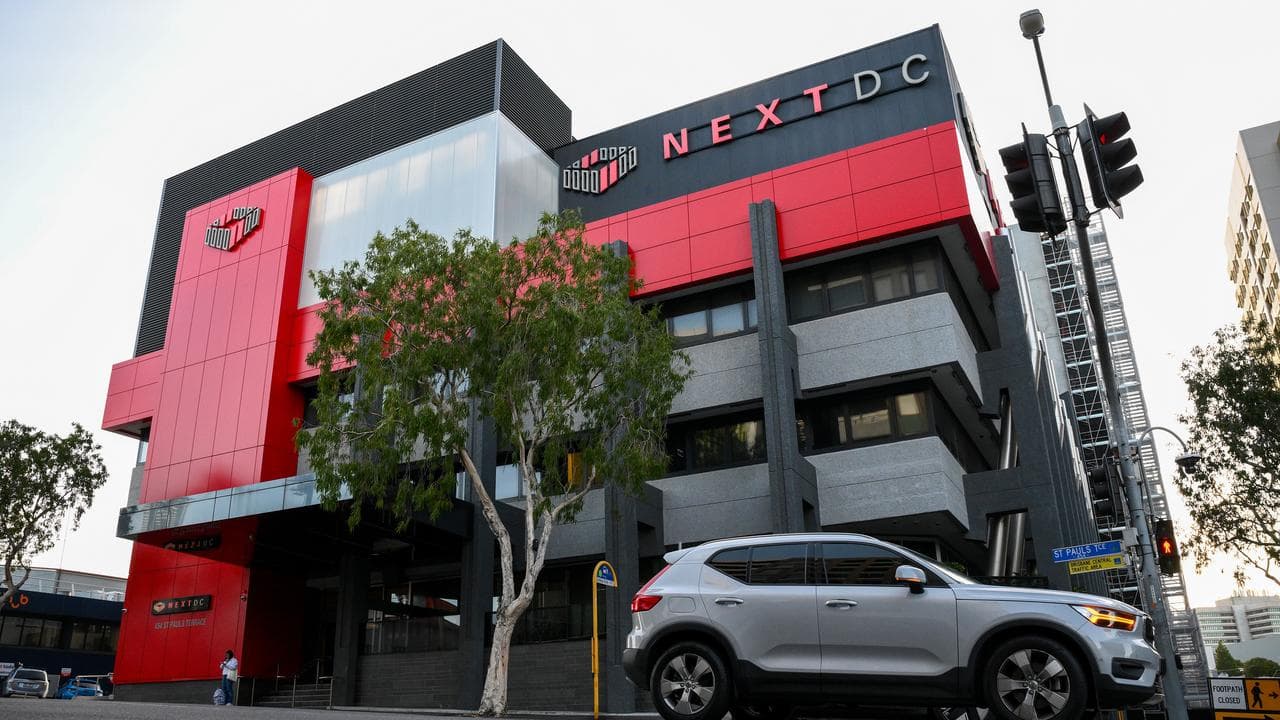
Despite the AI boom boosting business investment, the productivity benefits are yet to be realised.
The RBA downgraded its productivity growth forecast for 2026 from 0.2 per cent to a decline of 0.5 per cent.
"There is little evidence of a sustained improvement in productivity growth to date," the RBA said.
"If productivity growth were to remain subdued over the forecast period rather than pick up modestly as assumed, the economy's supply capacity would be lower than currently expected."


