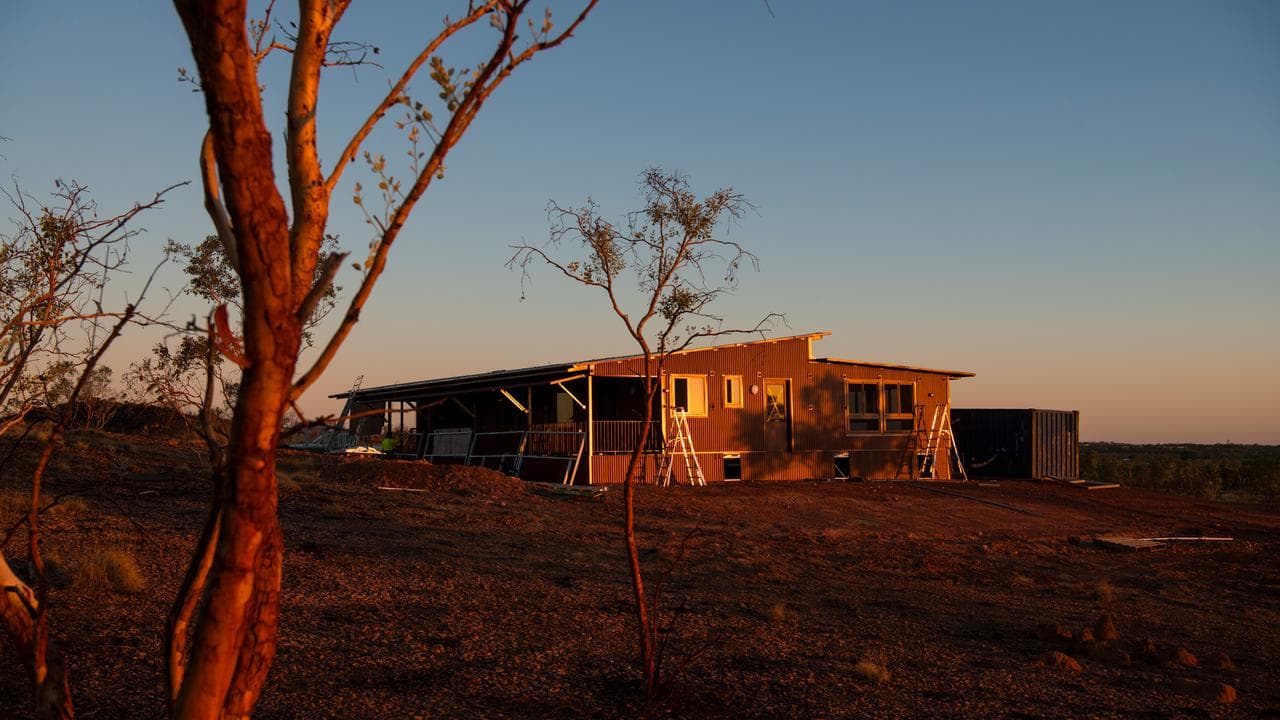
Camouflaged in the red desert of Northern Territory are brand new homes built "the right way" with Aboriginal elders and young leaders putting one brick on top of the other for future generations.
The home's high-thermal-mass walls are designed to stay cool through extreme heat with solar panels, battery storage and rainwater harvesting now in place on the edge of Tennant Creek.
Wilya Janta housing collaboration, the brainchild of Aboriginal remote housing advocate and 2026 Australian of the Year nominee Norman Frank Jupurrurla, was the driving force behind the unique build.
The cost-competitive house boasts two bathrooms, two kitchens and a room for sacred objects reflecting Indigenous men's business and uses locally made termite-mound and spinifex mud bricks.
"Our community has been saying the same thing for decades: don't just talk to us — listen," the group's Chief Cultural Officer Jimmy Frank Jupurrurla said.
"This isn't just one house. It's proof of a better way to build across the Territory."
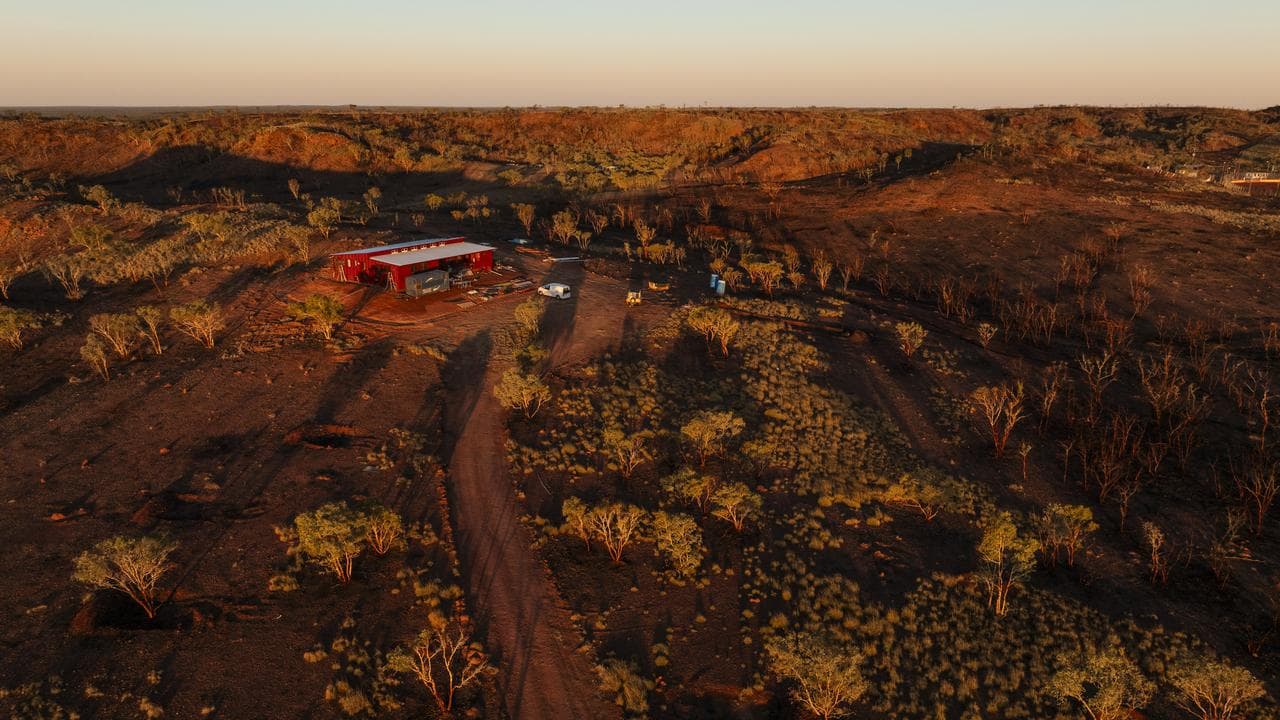
It has also spawned a local niche industry for men to manufacture mud bricks employing 20 Aboriginal people in the poorest one per cent of communities nationwide.
The house remains cool on the inside on hot days with wide breezeways, roof ventilation, generous eaves and verandahs which all help dissipate the desert heat.
Dubbed the Explain Homes, the house took four months to construct and was developed alongside the Right Way Housing Guidelines.
The 40-page document co-designed by Warumungu community members spells out how housing should be planned, designed and delivered for government and industry in a culturally safe and durable way.
For example, the homes will be built east to west because Warumungu people sleep with their heads facing the east and feet facing the west.
The guidelines offer "a practical blueprint" for the federal and state governments as they enter the second year of a landmark 10-year joint plan to build 2700 remote homes for Indigenous communities in the next decade to the tune of $4 billion to combat overcrowding.
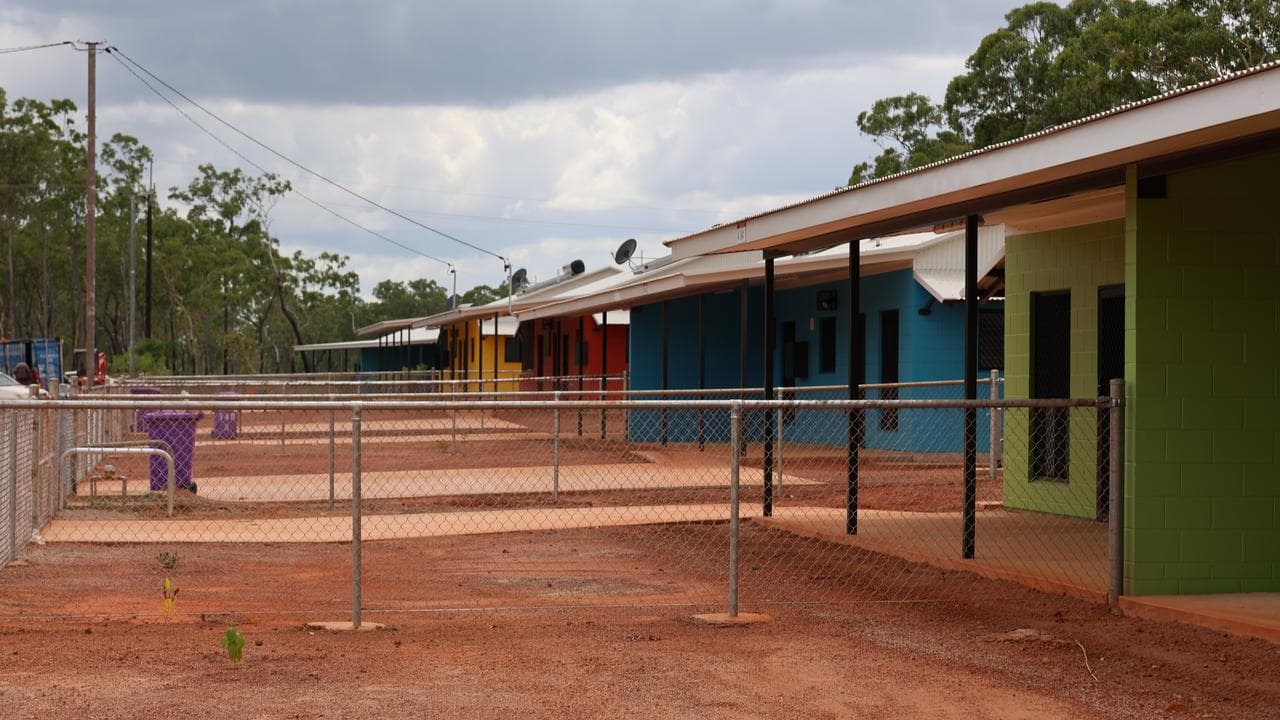
Dr Simon Quilty, a medical doctor working in the Territory for decades, has seen first-hand the effects of unsafe government-built "prison houses" that only have capacity for about five people while not catering to large families.
He explained they cause rheumatic heart disease and exacerbate social tensions with mounting bills for air-conditioning due to poor functionality with small windows, lack of a breeze and dark surroundings.
"The Explain Home is to explain to government that houses can be built better, cost the same and can engage community in different ways," he told AAP.
"What really stands us apart from government is the way we built this house comes from deep trust and collaboration."
While grounded in local Country, Dr Quilty said the blueprint can be scaled up in other remote communities across the Barkly and Central Desert regions.
He said the impetus for better housing comes in undoing the "incredible destructive forces" in the wake of the Howard-era 2007 military intervention in the Territory that set remote housing initiatives back.
"Local organisations were doing a great job developing homes that were more suitable to community until the early 2000s but the intervention absolutely demolished local capacity so we're building from the ground up," he said.
Dr Quilty said the elder Mr Jupurrurla had invited Anthony Albanese to tour the home to show that community input from grassroots organisations, rather than top-down government initiatives, are working and cost the same.
But he also cautioned that governments cannot keep on re-inventing the wheel politically when it comes to Aboriginal affairs and that genuine community input needed to be at the heart of projects that affect them.
"This is the problem of not having Treaty with Aboriginal people," he said.
"You only need to look at housing at the moment because the appallingly performing houses being built would be illegal in any other state in Australia.
"These houses cause hopelessness and it is directly linked to the intervention."


