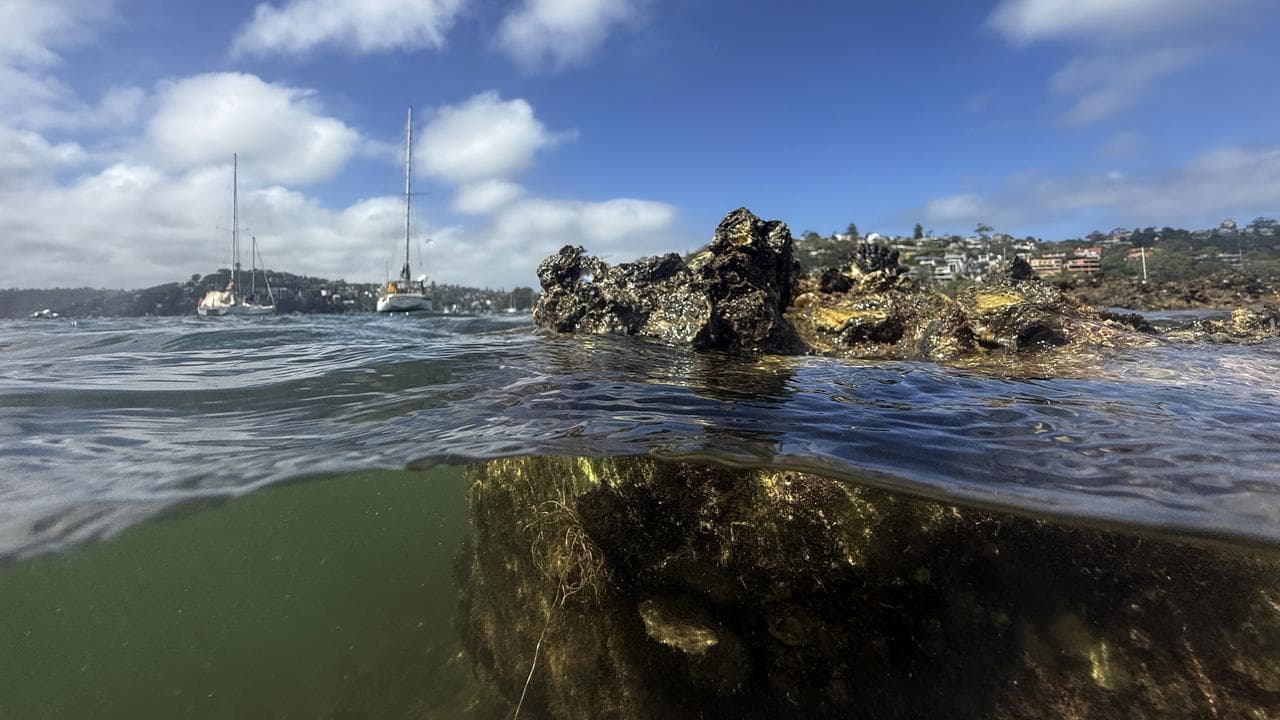
Only a fraction of Australia's once-abundant oyster reefs remain.
Their demise can largely be traced to industrial activity brought by European settlers to harvest the shellfish for food and dredge reefs to make early roads and buildings.
But as providers of sea life habitat, water filtering and coastal protection, oyster reefs have become a prime target for restoration.
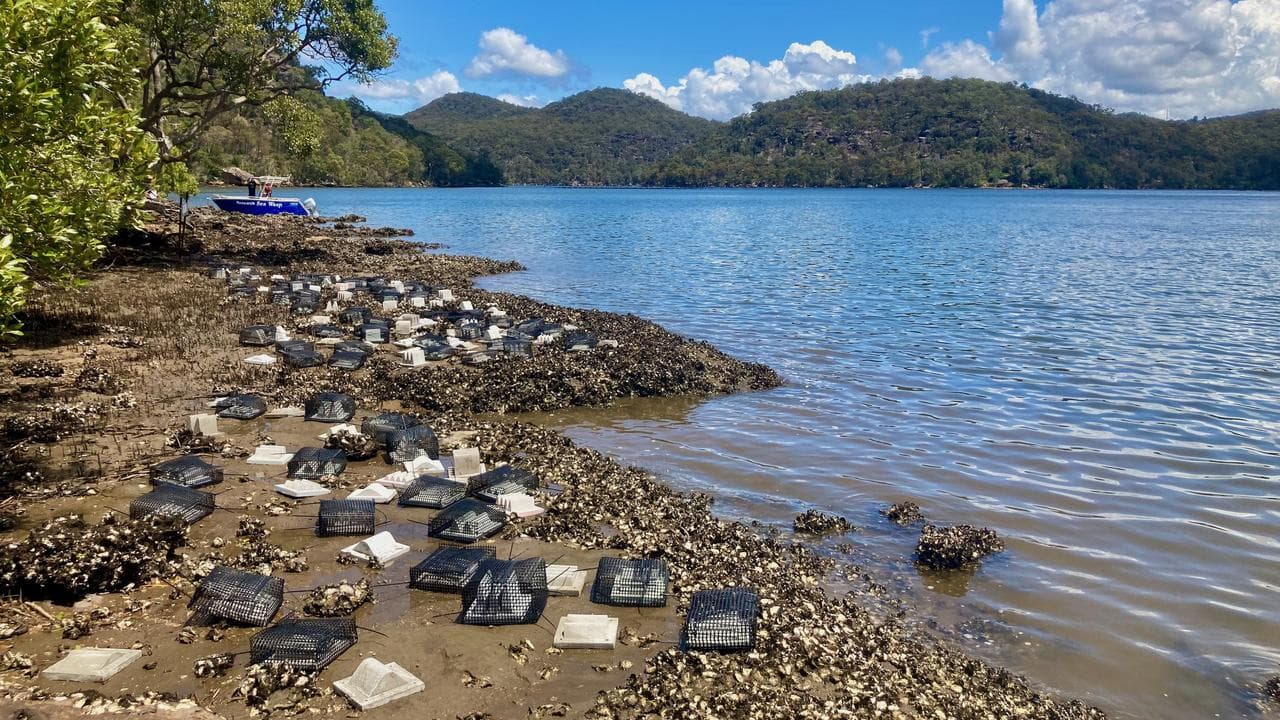
Oysters won't settle on sand or mud, so restorers give them a hand with a hard surface substrate then seeded with the live molluscs to boost initial numbers.
Research led by Macquarie University suggests the design of the artificial base surface could vastly increase survival rates.
Lead author of the study published in Nature, Juan Esquivel-Muelbert, started from the hypothesis that oyster reefs organically engineer the ideal architecture for juveniles to thrive.
Dr Esquivel-Muelbert and his colleagues from Macquarie, University of NSW, University of Sydney and the University of Hawai’i studied several surviving reefs for clues.
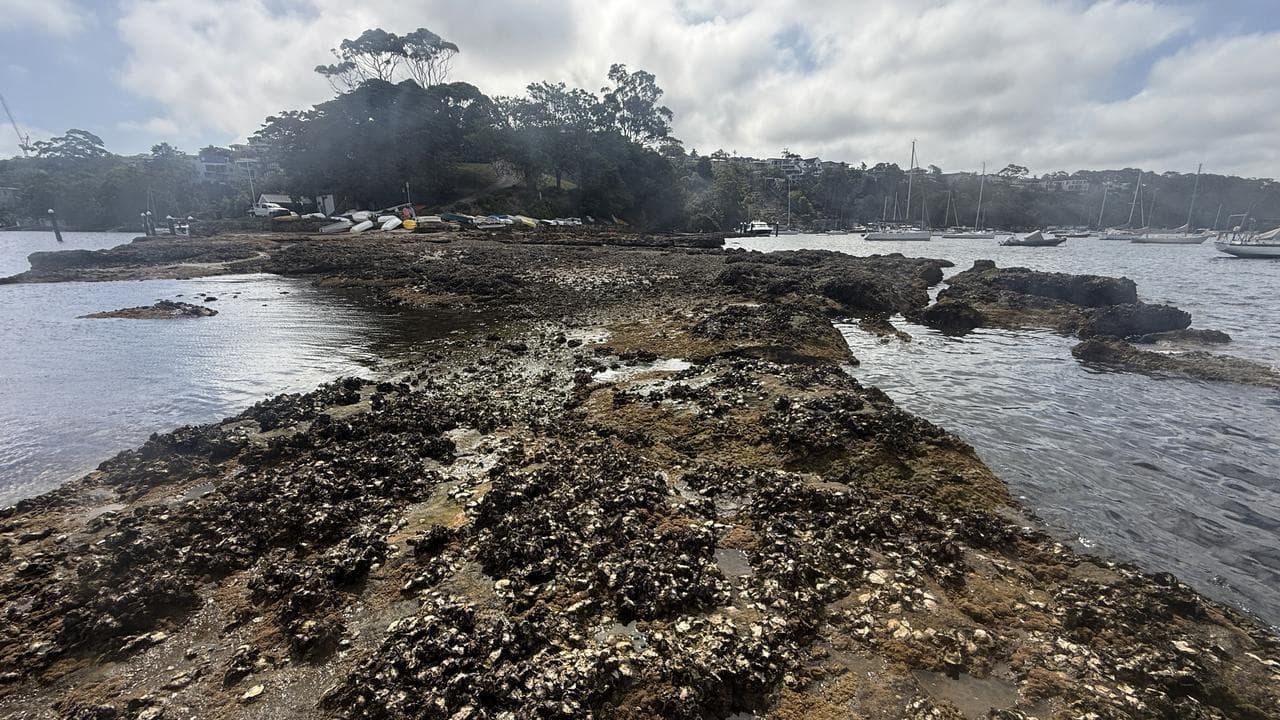
After taking thousands of photos, the team identified a consistent geometric pattern across naturally occurring reefs formed from living oysters and the discarded shells of earlier generations.
The team engineered 16 distinct concrete tile designs that encapsulated the fractal dimension and height range of natural oyster reefs.
They then left them in three greater Sydney estuaries - Port Hacking, the Hawkesbury River and Brisbane Waters - to test survival.
The team experimented with a number of designs, ranging from basic and flat to the more intricate.
The tiles closest to the natural reef geometry were most successful.
"We found that, yes, reefs have that shape because that's the shape that maximises oyster survival from predators," Dr Esquivel-Muelbert told AAP.
Oysters reproduce much like corals, with eggs and sperm released into the water to fertilise.
The larvae then float around until they find a solid spot to latch onto.
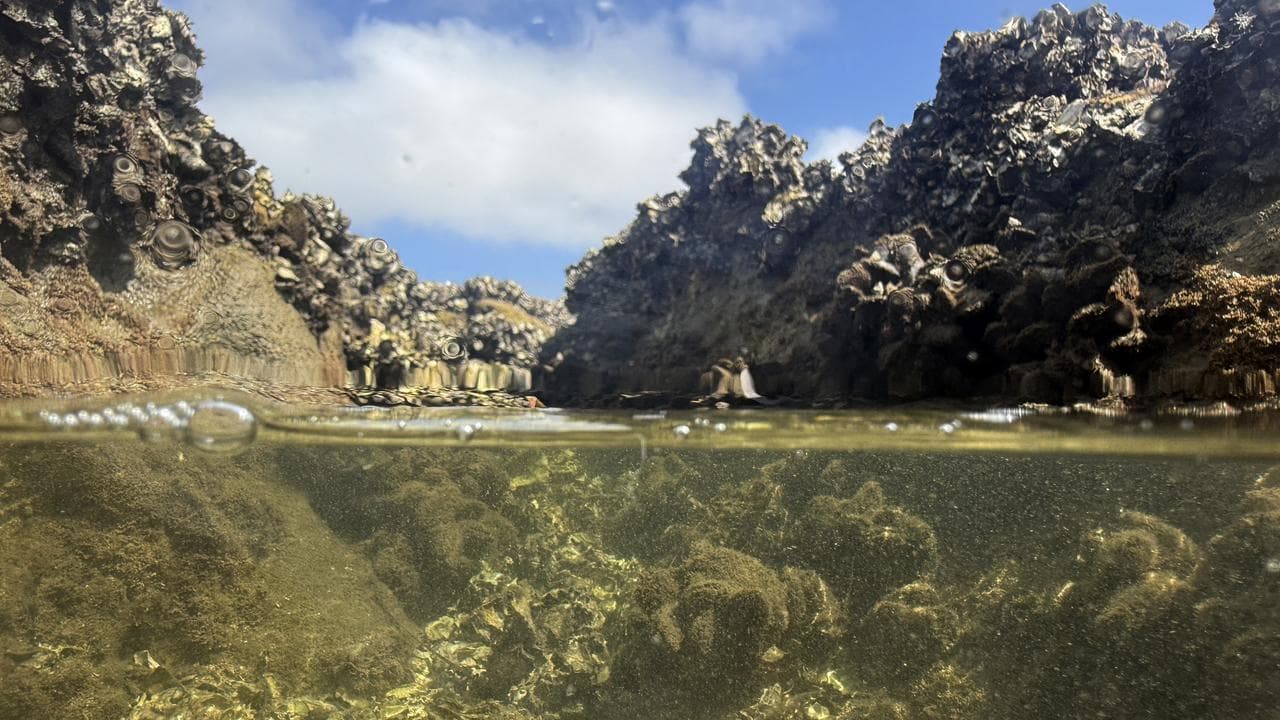
Fish, crabs and birds like to snack on these young oysters, so reefs form in a way that allows juveniles to grow shielded by their larger cousins, with plentiful nooks and crannies to nestle into.
"Once it's settled, it won't move anymore," Dr Esquivel-Muelbert explained.
"If the oyster settles on a place that is set for predation, then it will probably get eaten."
Oyster reefs were once abundant on Australia's southern and eastern coasts, but more than 85 per cent of what was there before European settlement is thought lost.
The shellfish were harvested for food and the reefs dredged on an industrial scale to make lime for cement and mortar, said Melanie Bishop. a coastal ecologist with Macquarie’s School of Natural Sciences.
“Many of Sydney’s early colonial buildings are held together with oyster shell,” Professor Bishop said.
Hyde Park Barracks and Vaucluse House feature 'shelly mortar' in their construction, as does Australia's oldest surviving public building, Old Government House at Parramatta.
There is already momentum behind oyster reef restoration in Australia, with efforts led by The Nature Conservancy and government funding flowing into various projects.
More than 40 hectares of shellfish reefs were restored across Western Australia, South Australia, Victoria, Tasmania, NSW and Queensland between 2021 and 2023 through the $20 million Reef Builder program.
Dr Esquivel-Muelbert said there was a recognition restoring oyster reefs would boost biodiversity and support local fisheries.
As well, a single oyster can filter up to 100 litres of water per day, a useful service for urban estuaries and bays.
The reefs also help buffer the shoreline from erosion and sea level rise by absorbing wave energy.


