Australia will fund the development of Pacific athletes to bolster their medal chances at the 2032 Brisbane Olympics.
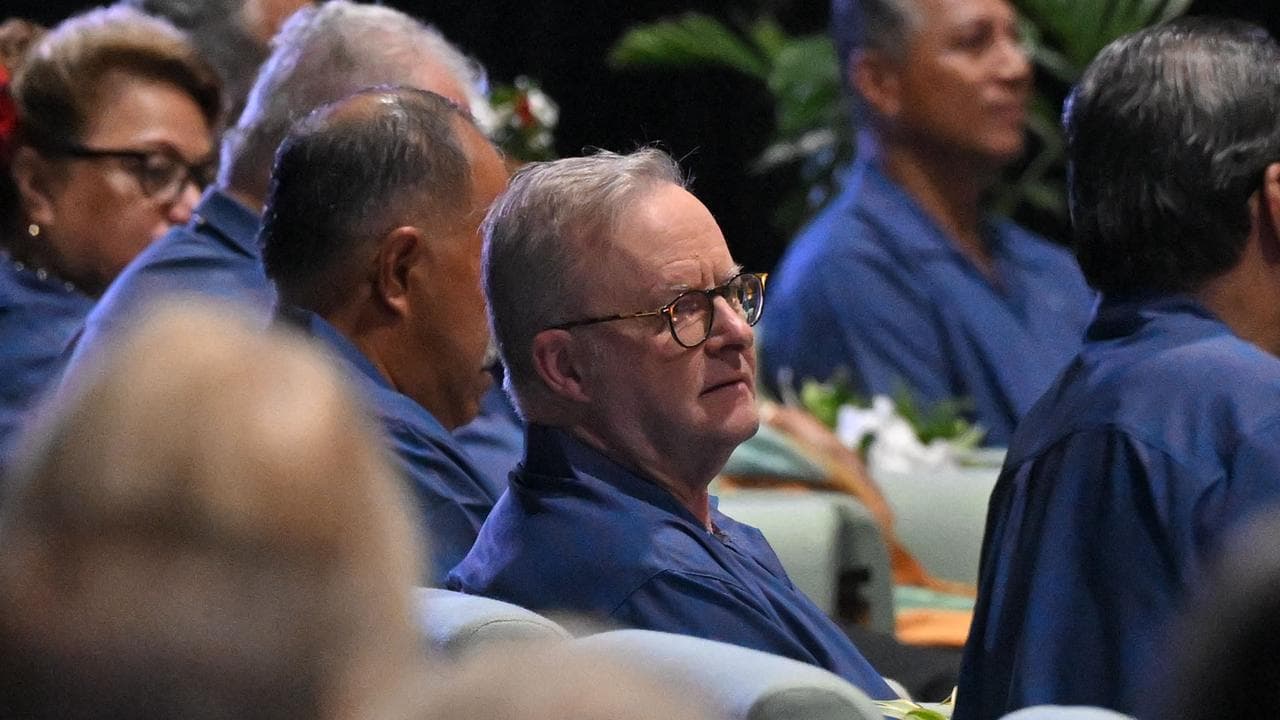
Anthony Albanese announced a $15.6 million investment in high-performance sport in his latest bout of sports diplomacy at the Pacific Islands Forum in Palau.
The soft power spending plays to a shared love of sport in the region.
"As we move forward in planning for Brisbane 2032, Australia looks forward to welcoming the best of the best sporting talent from the Pacific and supporting them to go for gold," Mr Albanese said.
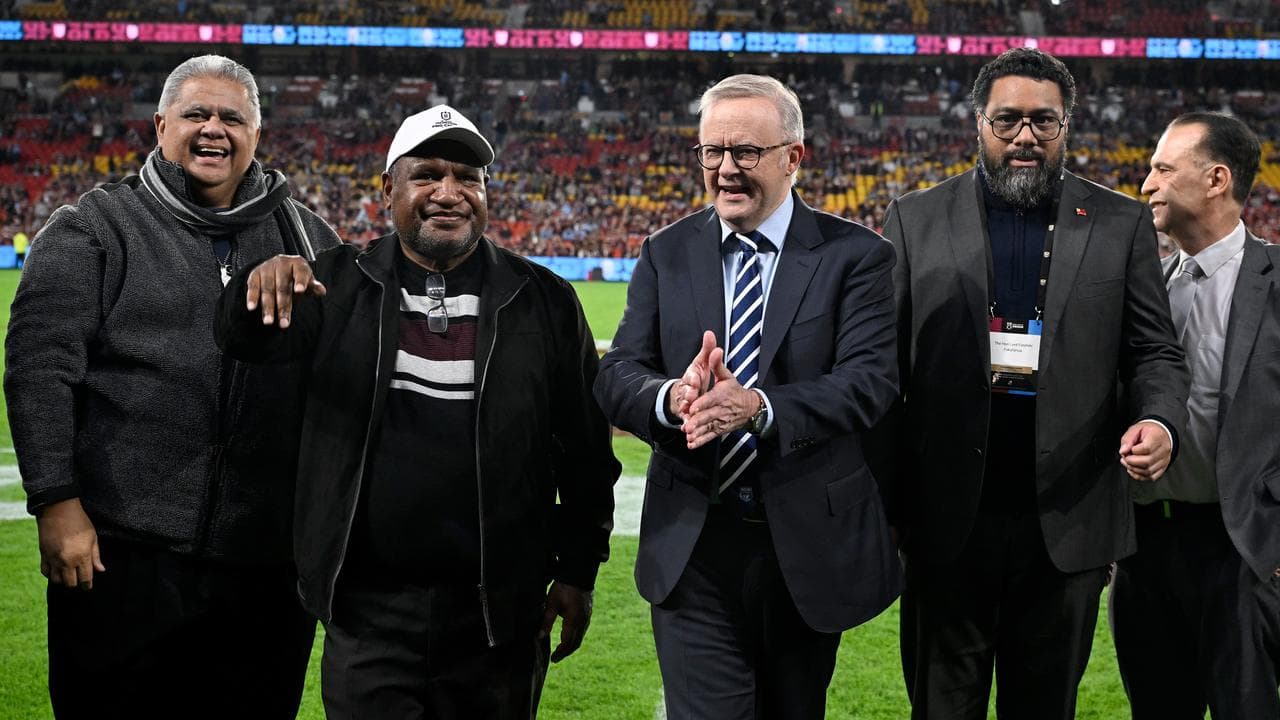
The new funding is a drop in the ocean compared to the $600 million rugby league pact that will bring an NRL team to Port Moresby in 2028.
That investment includes $290 million for the PNG Chiefs and $250 million towards growing rugby league in the region.
The latest pledge will help Pacific athletes train for and attend the 2027 Pacific Games, the 2028 Los Angeles Olympics, the 2029 Pacific Mini Games and other key events through to 2030.
The government's step-up in sports diplomacy has been welcomed by Bond University assistant professor Stuart Murray, who said Australia's strategic thinking in the build-up to the Sydney Olympics was non-existent.
"There was absolutely nothing," he told AAP.
"Governments that used to get big events like the Olympics ... their (diplomatic) thinking was sporadic, jingoistic, very national and opportunistic."
Australia's thinking now is built around a "green and gold decade" of events through to 2032, finding ways to include the region and bolster ties.
"Sports diplomacy is a many-headed beast," Dr Murray said.
"Aussies love sport and they want to help their neighbours but there's a human security side too - how can we use the vehicle of rugby league to help girls and women in Papua New Guinea, with horrendous rates of violence?
"How can we use sport as a way to boost education to reduce violence?"

Dr Murray said funding that allowed Pacific athletes to compete under their own flags would be especially welcome.
"There's a huge amount of stuff we do out into the Pacific ... including grabbing talent," he said.
It's a criticism that has been levied at the NRL deal, which will direct millions to rugby-mad nations such as Fiji, Samoa and Tonga, aimed at developing talent for mostly Australian clubs.
Rugby union's big splash has benefited through funding to the Fijian Drua Super Rugby franchise, but the code fears the NRL splash could erode its talent pathway.
Rugby Australia is pitching a "Veimoana" partnership to the Albanese government that could bolster the sport in Fiji, Samoa and Tonga with a new competition.
It is not uncommon for politicians or royals, as is the case in Tonga, to head up national rugby bodies.
"Rugby has been played in the Pacific for more than a century and is deeply embedded in communities," Rugby Australia's Daniel Millis told AAP.
"Many Pacific leaders are themselves products of the game, having represented their villages, provinces and even their countries.
"That gives rugby a unique ability to open doors for Australia at the highest levels, while also ... delivering meaningful opportunities and development outcomes for communities.”
On top of the NRL deal, the Department of Foreign Affairs and Trade runs two sport development programs in the region.
PacificAus Sports ferries high-performance teams to and from the Pacific across several sports, growing links and creating competition opportunities.
That could mean A-League teams playing matches in the region, youth national team exchanges across several sports, or national netball teams in Australia-hosted tournaments.
TeamUp is Australia's community sports initiative in the region, with "gender equality, disability inclusion, health and social cohesion" goals.
The two programs cost a combined $25.6 million annually, bringing the overall Pacific sports bill to about $90 million for each year of the NRL deal.


