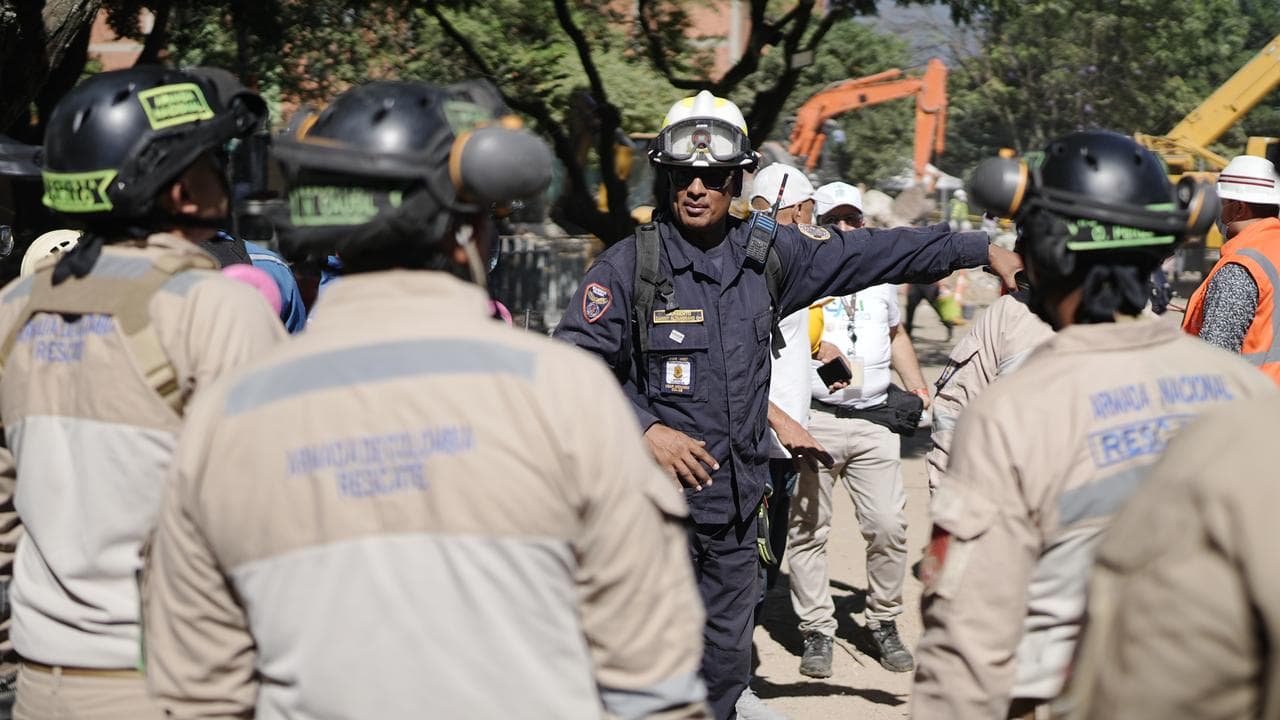
Hopes of finding more survivors from the powerful earthquake that rocked Colombia early this week are fading as rescue workers narrow their searches while families in the worst-hit areas wait for news of missing relatives.
In Cali, the country's third-largest city, crews have turned their attention from a search-and-rescue effort to debris removal at most sites, a sign the disaster response was entering a grimmer phase after the crucial first 72 hours.
The 7.4-magnitude quake struck shortly after 7.30am on Monday, toppling apartment blocks, damaging homes, schools and hospitals and sending residents into the streets across western Colombia, home to the country's coffee farms.
At least 273 people were killed - many in Cali and Pereira, a city in the coffee region - and more than 3800 injured, according to government data on Thursday morning.
It also said 377 people were still reported to be missing.
In Pereira, Enrique Marin said he drove more than 10 hours from Bogota after getting a call from a friend who told him Marin's mother was trapped underneath the rubble of her home.
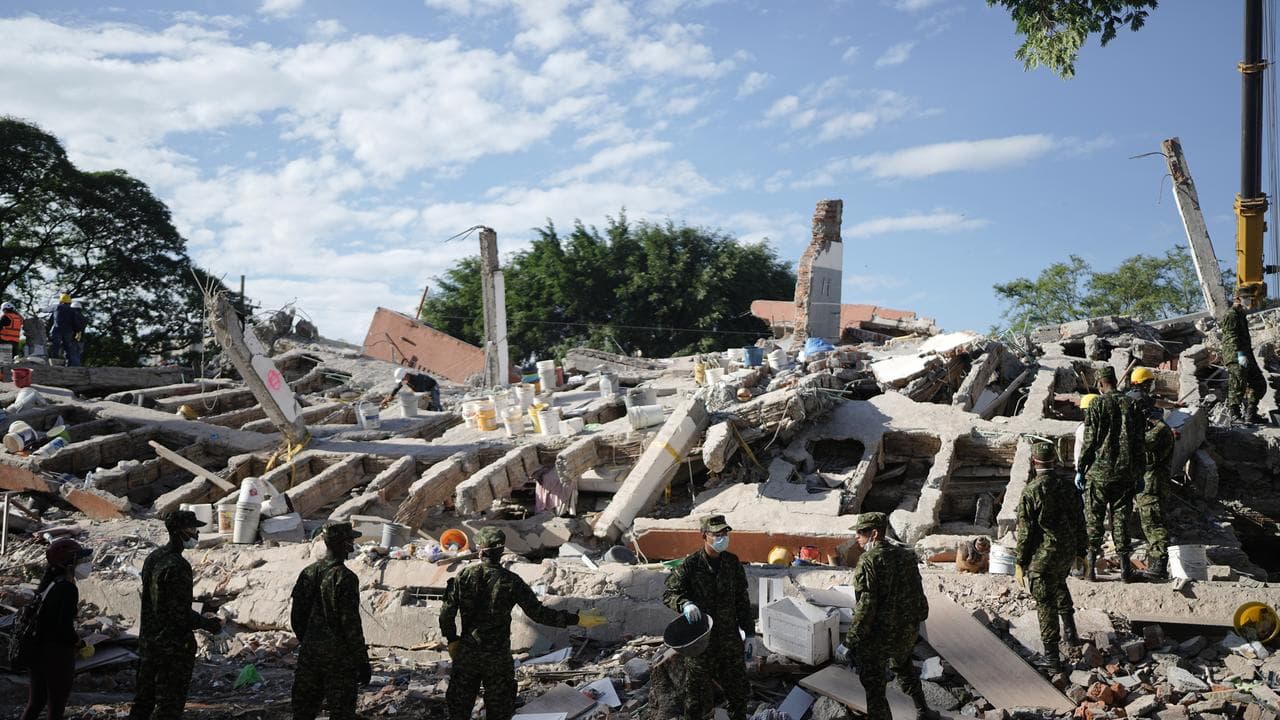
"My mother was rescued six hours after the earthquake. They pulled her out with vital signs but she died on the way to the hospital," Marin told Reuters as he stood in front of the debris clutching a bicycle from his childhood, the only item he said he was able to recover from the house.
He said his mother was found in her nightgown with the house keys still in her hand.
At the Torres del Limonar residential complex in southern Cali, rescue brigades with buckets and cranes continued to search for 15 people still missing.
Rescuers have found seven survivors and 13 corpses at the site.
Monica Mina, a 38-year-old restaurant owner, told Reuters she and other chefs in the city were working almost around the clock to distribute about 1000 meals a day - including scrambled eggs and bits of pork - for rescuers, medics and volunteers.
Outside major cities, rescue groups said smaller towns and communities were still struggling with little or no response from the Colombian government.
Nazly Lozano, the International Rescue Committee's program assistant at the port city of Buenaventura northwest of Cali, said rescue workers had not reached some stricken areas until Wednesday night, leaving locals to dig through the rubble with their bare hands in a desperate search for survivors.
IRC workers said some neighbourhoods in Buenaventura remained inaccessible due to armed groups, some of which seized food donations, vowing to distribute these items themselves.
Residents still lack basic services such as water and electricity and were using logs to cook their meals, the IRC workers said.
More than 150 aftershocks have been recorded since Monday, adding to the risks for rescue workers combing through the debris as well as people made homeless by the initial quake, which was one of the strongest felt in Colombia in several decades.
The government has estimated the quake destroyed more than 12,500 homes.
President Abelardo De La Espriella, who took office just days before the disaster, said on Wednesday he would declare an economic emergency and create a reconstruction fund to channel domestic and international aid toward rebuilding hospitals, schools, homes and infrastructure.


