
An impulsive, radicalised man aged under 35 is most likely to be perpetrating online hate in Australia, new research has found.
The findings, released by the Australian Institute of Criminology (AIC), add to growing concerns of how online abuse is impacting marginalised communities and women in positions of power.
The AIC surveyed 9,951 Australian adults online at the end of 2024 and found 1.7 per cent had subjected others to online hate, an increase from 1.4 per cent in 2022.
Three quarters (74.7 per cent) of them were men, while one quarter were women.
Two-thirds of those who admitted to perpetrating online hate were aged under 35, and 77.1 per cent lived in metropolitan parts of Australia.
They were also more likely to be impulsive, have viewed fringe or radical content online, more likely to hold prejudicial attitudes and engage in antisocial online behaviours such as harassment, hacking or phishing.
They were also more likely to spend less time connecting with people in person, and more likely to have experienced online harm themselves.

The research highlighted how exposure to hate and harmful online environments can become part of a damaging cycle, AIC deputy director Dr Rick Brown said.
"Behind online hate is often a complex mix of impulsivity, harmful attitudes, social disconnection, victimisation and broader antisocial behaviour," he said.
"Reducing online hate is a shared responsibility. Governments, technology companies, communities and individuals all have a role to play in building safer online spaces."
It comes as calls grow to include protections against hate speech in the Digital Duty of Care laws.
Under the draft legislation, online services and platforms would be required to adhere to a set of safety standards, putting the onus of protection and harm reduction on technology companies.
Public policy think tank The Australia Institute has sent an open letter to the federal communications minister calling for the bill to include protections against hate speech, private right of action, and substantial penalties for social media companies that break the law.
Sexual violence prevention organisation Teach Us Consent founder Chanel Contos said the research provided a clear picture of how online hate develops and was a reminder to look at systems that shape it.
"Platforms aren't rewarded for the quality of their content, only for how long we stay on our screens," she told AAP.
"When algorithms prioritise whatever provokes the strongest emotional reaction, hateful content doesn’t just exist - it dominates."
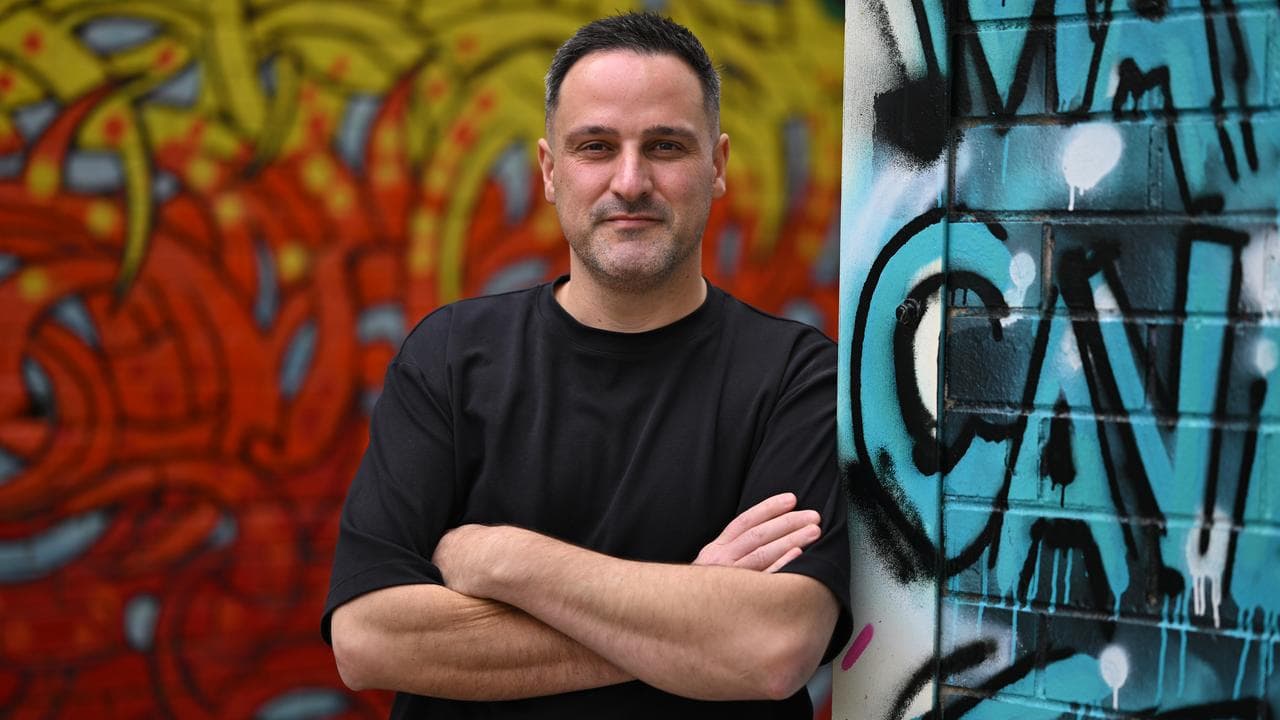
Preventative health charity The Man Cave, which teaches boys emotional literacy, said greater accountability was needed from tech companies profiting from misogyny, extremism and division.
"We need to stop treating online hate as simply a problem with young men and start confronting the systems profiting from their anger and disconnection," Man Cave chief executive Ben Vasiliou said.
"That means demanding greater accountability from technology companies, challenging the algorithms that amplify harmful content, and investing in positive, credible voices that can reach young men where they actually are."


