An Aboriginal community awarded $150 million in compensation in a battle with a mining giant says it is a win for First Nations people.
But the group says it's disappointed with the size of the payout after Andrew Forrest's Fortescue Metals Group built lucrative mines on its land without agreement and destroyed cultural sites.
Yindjibarndi Ngurra Aboriginal Corporation had submitted Fortescue should pay $1.8 billion after mining without free, prior and informed consent.
The Federal Court on Tuesday determined it would receive a fraction of the amount, with $150 million awarded in compensation for Yindjibarndi's cultural loss and $100,000 for its economic loss.
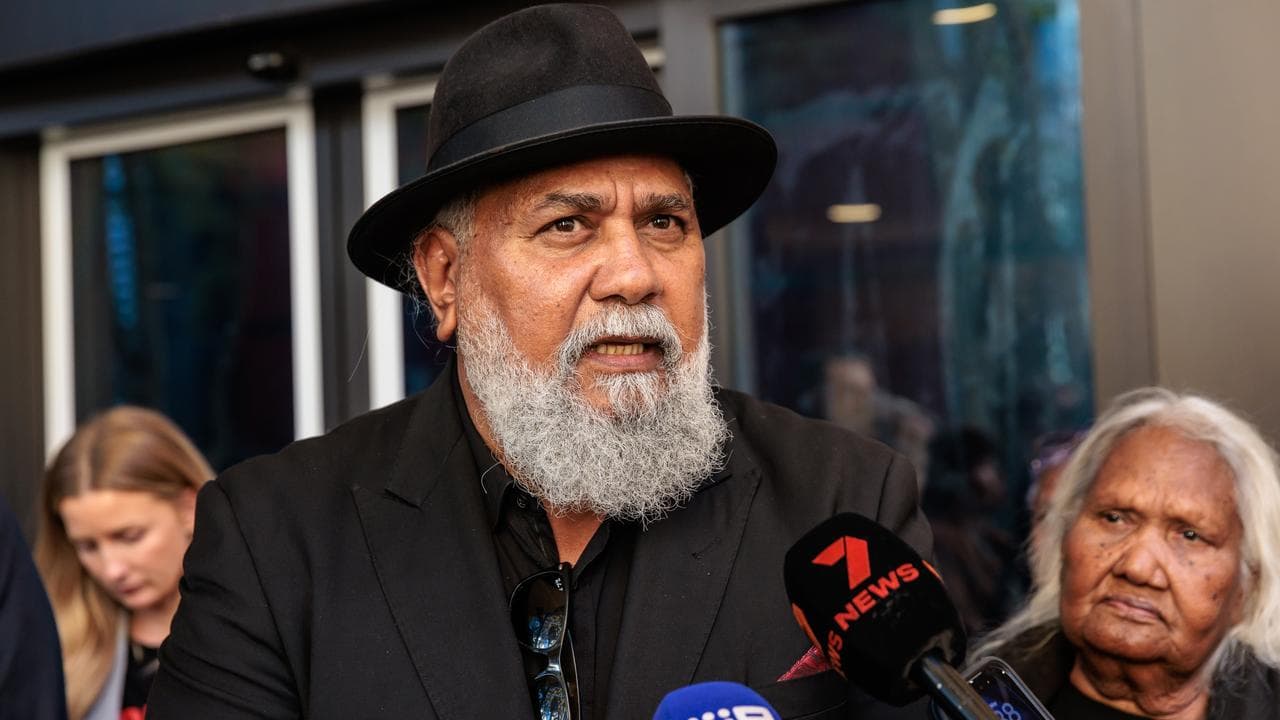
Outside the court, Yindjibarndi Nation chief executive Michael Woodley said the group had stood up for its right to protect its culture and its belief that First Nations people should be compensated for mining on its land.
"We're obviously disappointed with the economic loss," he told reporters.
"The culture and spiritual loss is something that we can work with.
"It's a win for First Nations people on that front."
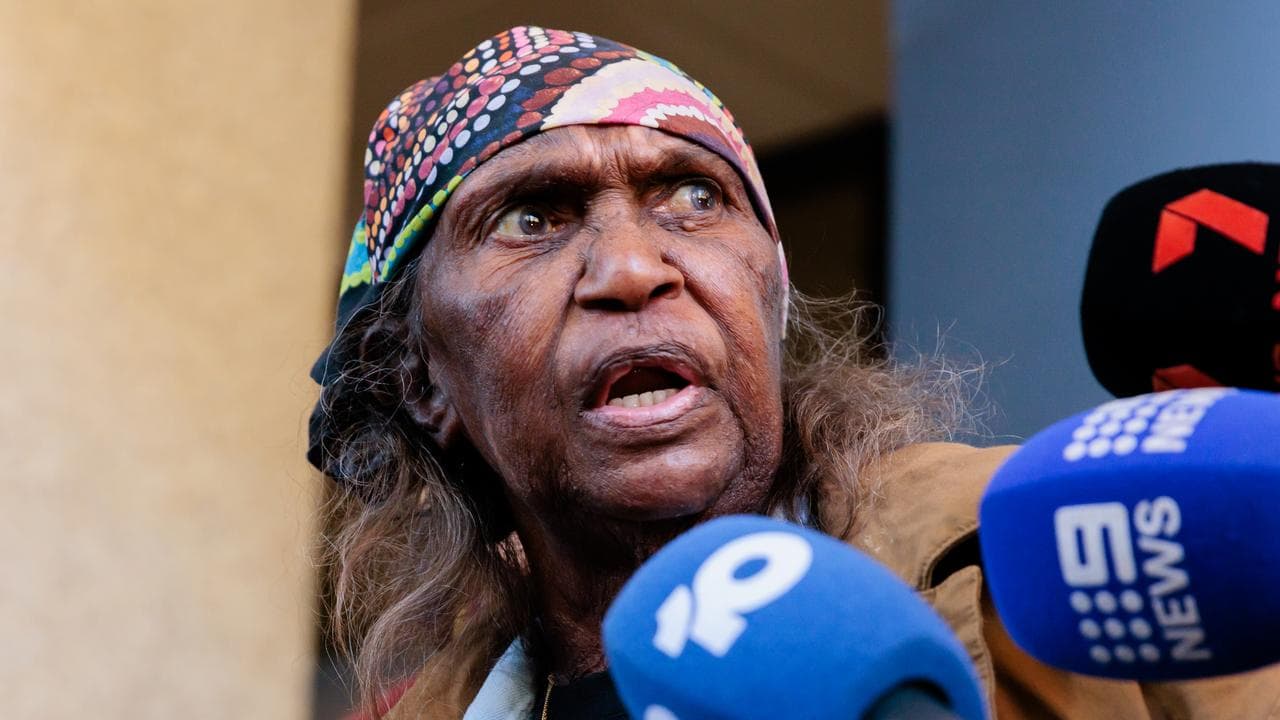
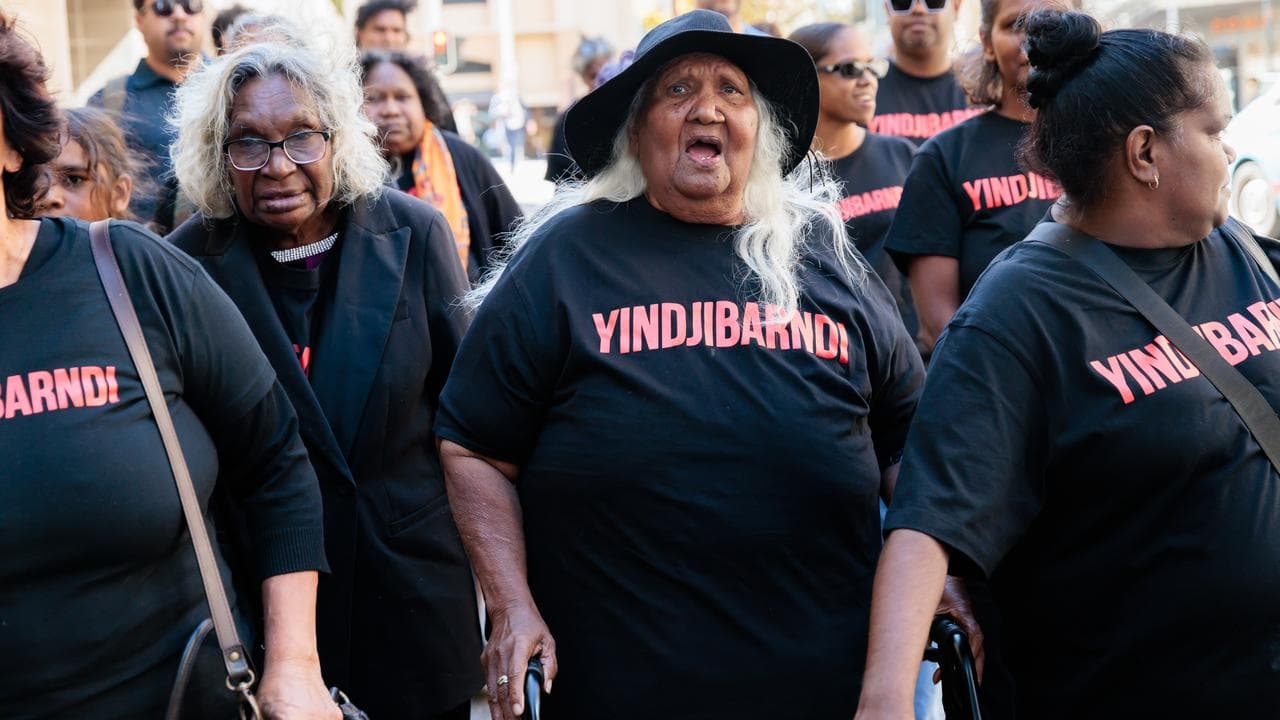
Mr Woodley said his community, many of whom were in court, were dismayed at the huge gap between what they had been expecting to be awarded and the actual judgment amount.
"It goes to the long journey that we've been on, and I think the part of the journey was the total disregard from this particular mining company and the state government of not really valuing First Nations people," he said.
The Yindjibarndi group said it would review the 350-page judgment before making its next move.
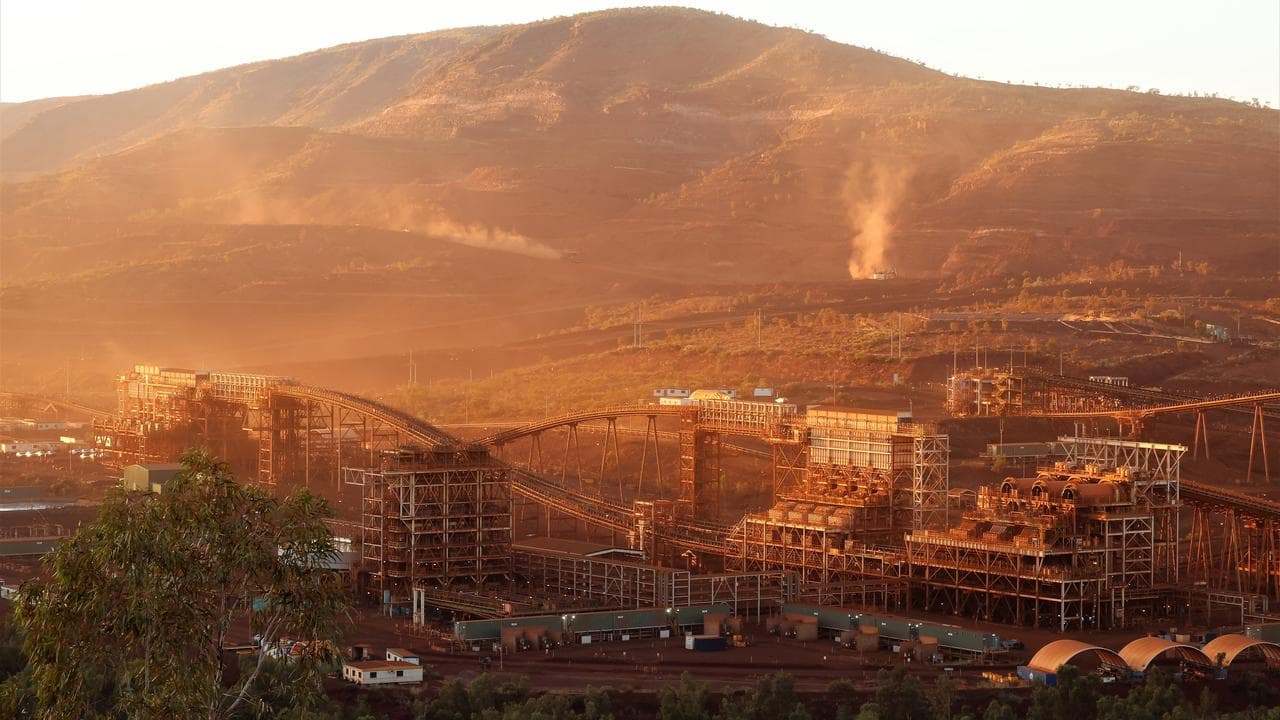
Fortescue started mining at the Solomon Hub in the Pilbara in 2013, but its relationship with Yindjibarndi had soured years earlier over the alleged destruction of sacred sites during the mine construction.
Traditional owners refused Fortescue's royalty offer and the miner did a deal with breakaway group Wirlu-Murra Yindjibarndi Aboriginal Corporation after paying people $500 each to attend a meeting that voted in favour of the offer in 2010.
Fortescue said it accepted that the Yindjibarndi people were entitled to compensation.
"Andrew Forrest and Fortescue care deeply about all First Nations people, including the Yindjibarndi community," the company said in a statement.
Fortescue has agreed to and pays financial compensation under its other seven native title agreements, it said.
"Fortescue has strong relationships with the First Nations people of the Pilbara," a spokeswoman said.
Yindjibarndi wanted $1 billion for cultural damage, $678 million for economic loss, $34.85 million for the destruction of sites, and $112.14 million for the impact of social disharmony allegedly caused by Fortescue.
It said Fortescue had earned $80 billion from the mine and the WA government had pocketed $10 billion in royalties.
The state and Fortescue said the total claim should be between $5 million and $10.1 million, and any economic loss could not exceed the value of the land.
More than 250 sites have been damaged or destroyed, according to Yindjibarndi's closing submissions.
The Yindjibarndi people were granted exclusive native title over the compensation claim area in 2017.
About 75 per cent of the Solomon Mine Hub's 400 square kilometre footprint, an area the size of Darwin, extends across the Yindjibarndi native title determination area.
The court battle initiated by Yindjibarndi started in 2022.
Paul Cleary, whose book Title Fight focused on the dispute between Yindjibarndi and Fortescue, said the decision was likely to have far-reaching implications for the entire system of agreement making between developers and Indigenous communities.
"The land use provisions of the Native Title Act have generated over a thousand beneficial agreements for communities around Australia," he said.
"Fortescue's decision to mine Yindjibarndi country without paying compensation, and while generating more than $60 billion in revenue, threatens to bring this system crashing down."


