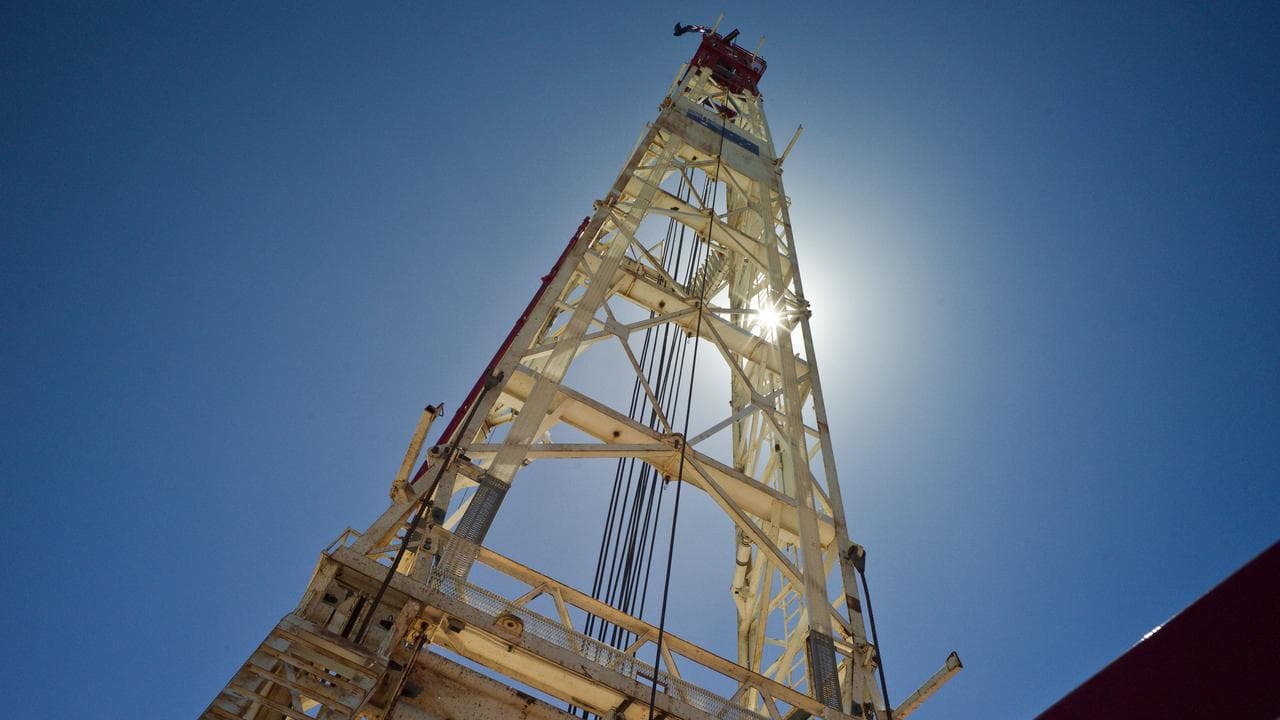
A state government has been accused of chasing headlines after calling an inquiry into the impact of new federal environmental laws.
The Queensland Productivity Commission would investigate the economic impact of recent changes to national environmental protection laws, Treasurer David Janetzki said on Monday.
He said the inquiry would look into concerns about compliance costs, delays and uncertainty for Queensland businesses resulting from reforms to the Environment Protection and Biodiversity Conservation Act.
It would also interrogate the exclusion of fossil fuel projects from fast-track assessments on national interest grounds, he said.
The inquiry follows Queensland government calls for the federal government to speed up approvals for an oil exploration project in the Taroom Trough, west of Brisbane.
Premier David Crisafulli visited the area last week, claiming he was standing over a "sea of oil".
He said there was a "generational opportunity" for Australia to reduce its reliance on imports and called for the project to be exempted from national environment laws.
Federal Environment Minister Murray Watt accused the Crisafulli government of chasing headlines, saying the federal government had yet to hear details about the Taroom proposal.
He called on the Queensland government to come to the negotiating table.
"One of the key ways we can speed up approvals is for state governments to sign bilateral agreements with us to let approvals happen simultaneously," Senator Watt told AAP.
"So far, David Crisafulli is yet to even come to the table on a bilateral agreement with us."
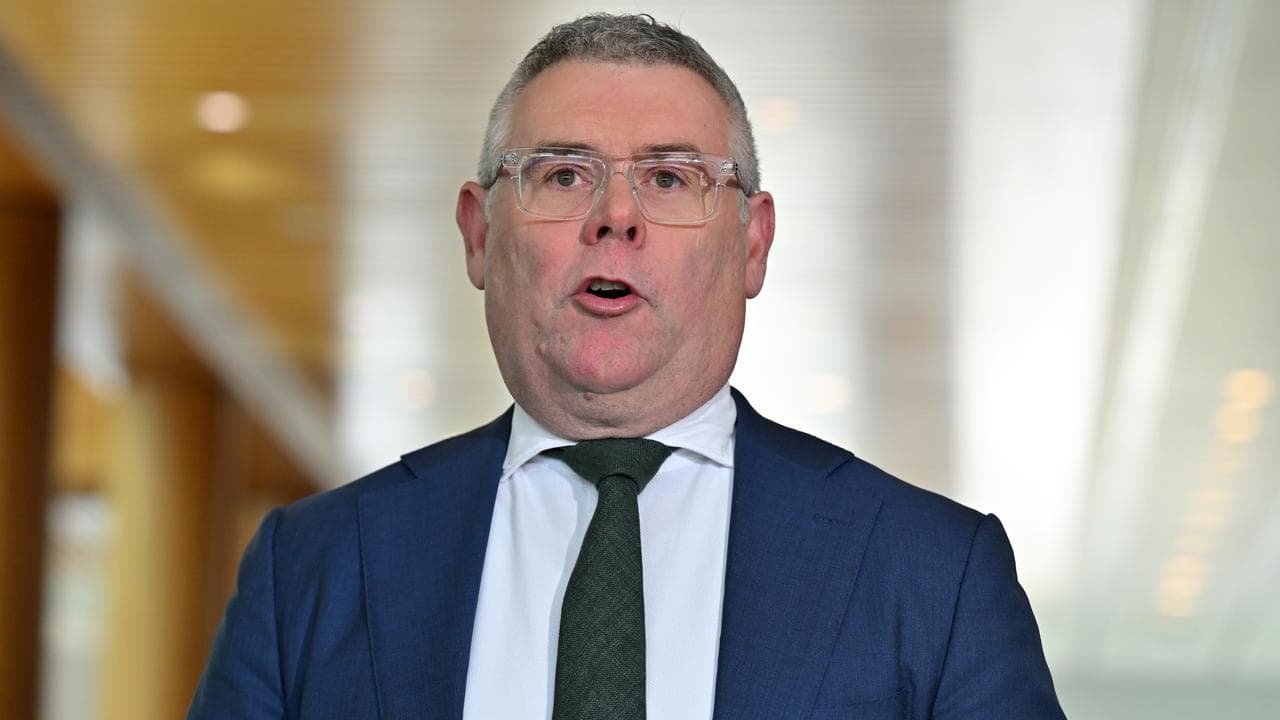
Senator Watt said the government's reforms, passed in December, were overdue.
"This was the first time national environmental laws had been updated in more than 25 years," he said.
"The LNP voted against these changes, as did One Nation.
"Queenslanders would be better off if the Queensland government worked with us, through the reforms we have established to speed up approvals, instead of simply seeking headlines."
The inquiry is set to run for 12 months.


