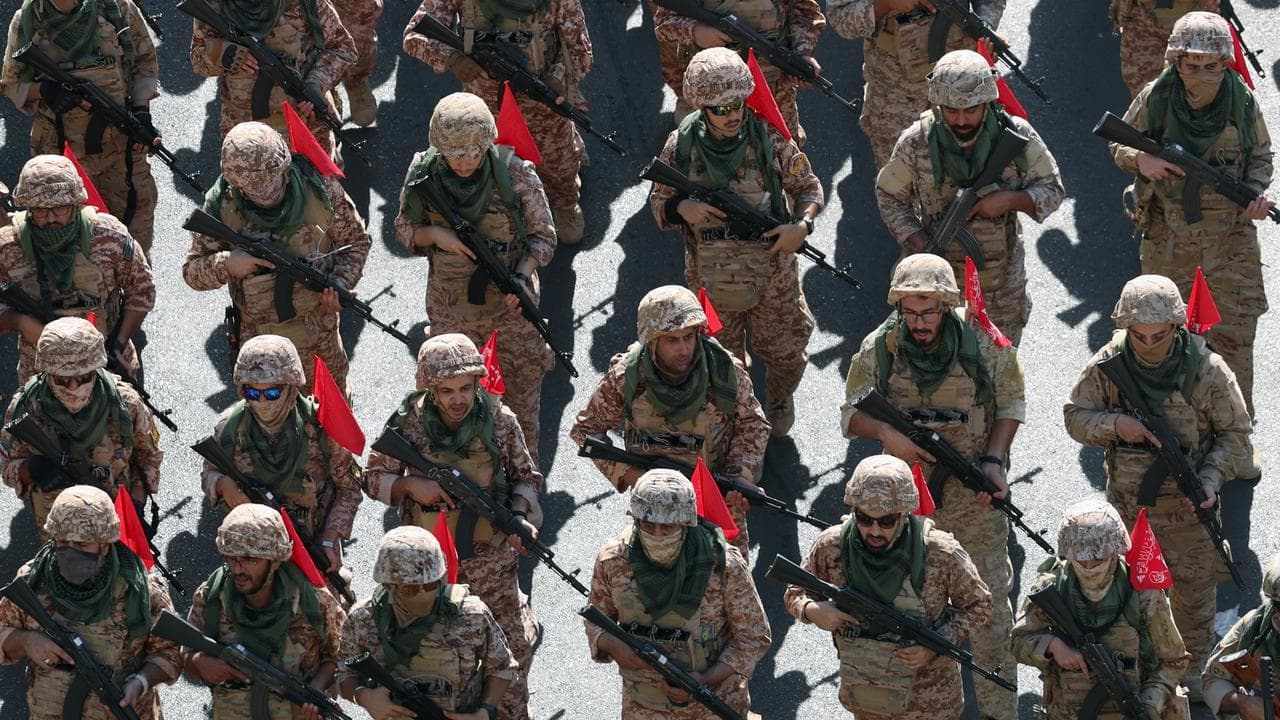
Iran has warned against any big new attack by the United States and its allies, saying it has information such a move is being prepared.
Iran's military central command said on state media that any new attack would trigger sustained retaliation against US bases and interests and that regional allies of the US would be considered parties to the conflict.
It did not elaborate on the information it said it had about a coming US attack.
"If you make a mistake, you will be the target of painful attacks," the Khatam al-Anbiya military headquarters said, according to the Fars news agency.
"All of that country's deployment centres and interests in the region will be targeted with continuous, effective and painful attacks, without any restrictions or considerations."
The Khatam al-Anbiya assumes operational command of Iran's armed forces during wartime.
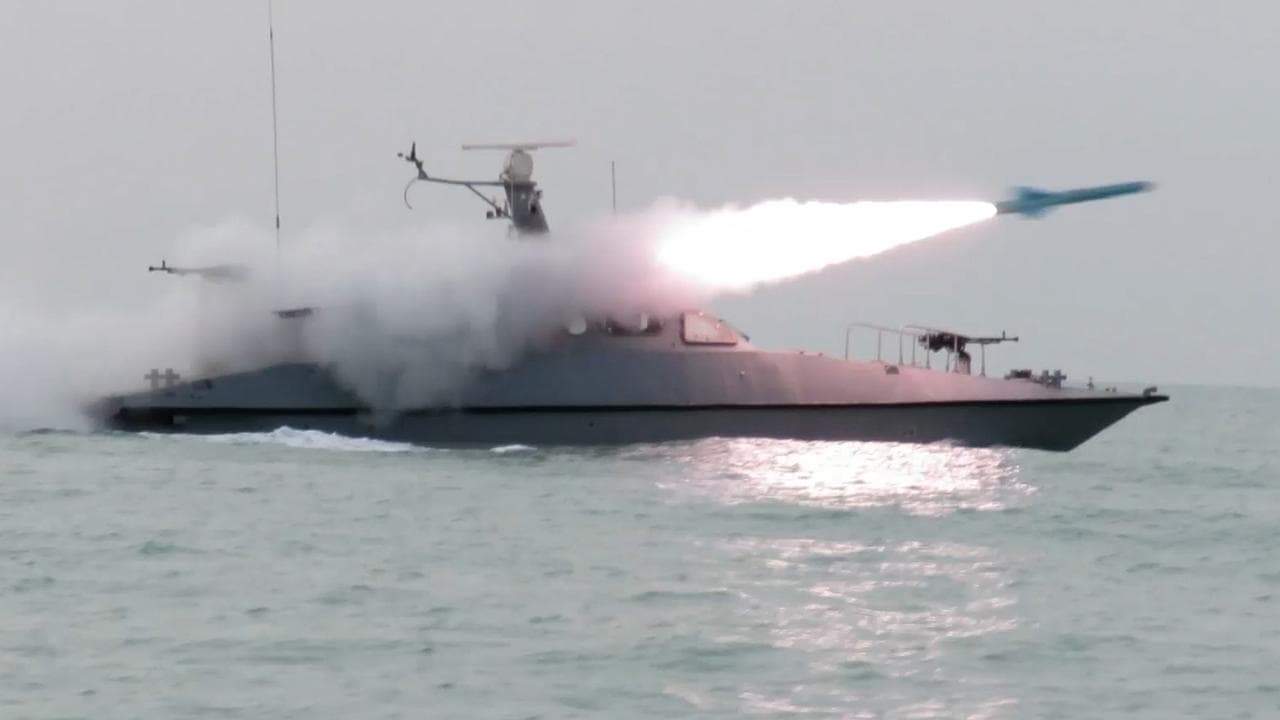
Mohsen Rezaei, secretary general of Iran's powerful Supreme National Security Council, went further, threatening that Iran would attack US ships anywhere in the Indian Ocean in the event of renewed strikes.
Iran's military had acquired the capabilities needed to carry out such attacks, Rezaei told broadcaster al-Jazeera.
The Iranian news report cited unconfirmed reports of a meeting between US representatives in a European country at which agreements were allegedly reached on renewed attacks against Iran.
Some Arab countries in the region had reportedly given the plans the green light.
The claims could not be independently verified.
The US State Department issued a security alert on Saturday saying there was potential for unforeseen escalation in the Middle East and US citizens should exercise more vigilance and be aware of possible flight cancellations and airspace closures.
Nearly seven months into the US-Iran war, neither side has looked ready to make major concessions needed to end the fighting.
The US Department of Defense did not immediately respond to a Reuters request for comment on Iran's statement that it had information about a coming US attack.
A US blockade of Iranian ports is stopping Iran from selling its own oil, contributing to major problems in the Islamic Republic's economy.
With the war inflicting painful damage on all sides, however, there is little sign of a return to the interim ceasefire agreement that was struck in June but that fell apart in July amid disputes over its terms.
Iran reiterated on Sunday that it would not reopen the Strait of Hormuz until the terms of that June agreement, as it interpreted them, were met.
Iranian parliament Speaker Mohammad Baqer Qalibaf said Iran would have to keep on fighting as well as negotiating, to push back its enemies and to consolidate any gains with diplomacy.
with DPA


